

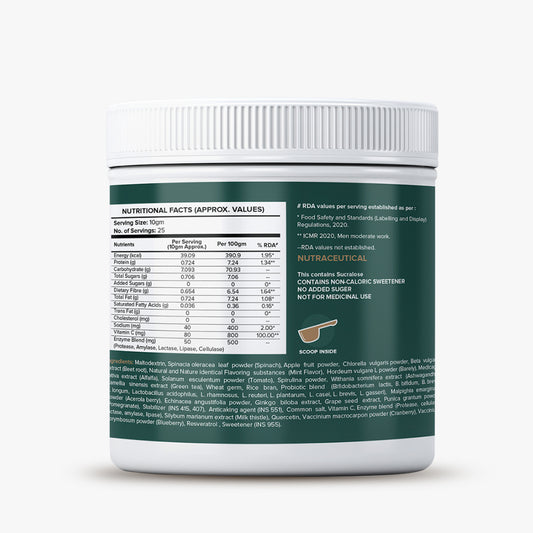

You all know about the “French Paradox,” and if you don’t know, let me tell you – it’s an observation that a certain population maintains excellent cardiovascular health despite having a diet rich in fats, just like the timeless claim that a glass of red wine is good for your heart. After extensive research, scientists have found one of the primary answers: a remarkable plant compound called resveratrol, which may explain the French Paradox.
Resveratrol has seen everything over the last decade. It has transitioned from a niche laboratory curiosity into one of the most widely discussed cellular health supplements in the longevity space. Millions are adding this polyphenol to their daily routines, be it tech executives biohacking their lifespan or everyday individuals looking to maintain physical vitality.
But various questions still linger in the room. Questions like
- What actually happens inside the human body when you take resveratrol every single day?
- Is it safe to take it for the long term?
- What does the human clinical evidence truly say?
- How long does it take before you notice measurable results?
This guide will answer all your questions and break down the underlying biology, practical human timelines, skin health mechanisms, and safety parameters in plain, actionable language.
What Is Resveratrol and Where Does It Come From?
To understand how resveratrol affects human biology, we must first examine its ecological role.
Resveratrol is a natural organic compound classified as a stilbenoid, which is a specific subclass of polyphenols.
Polyphenols act as a plant’s built-in molecular shield. Because plants cannot move when threatened by environmental hazards, they synthesize chemical defense mechanisms. Resveratrol is produced by plants in direct response to environmental stressors such as harsh ultraviolet (UV) radiation, physical injury, fungal infections, and intense periods of drought.
When we consume these compounds, our bodies tap into those same protective cellular survival pathways. For a comprehensive overview of its base compounds, explore our detailed background guide, "What is Resveratrol: Benefits and Uses."
Natural Food Sources vs. Supplemental Reality
Resveratrol can be found in varying amounts across a handful of popular foods and beverages:
-
Red grapes: Highly concentrated within the skins and seeds.
-
Red wine: Fermented with grape skins, allowing the compound to leach into the liquid.
-
Berries: Blueberries, cranberries, and mulberries.
-
Dark chocolate: High-percentage cacao (70% or greater).
-
Peanuts: Both raw peanuts and peanut butter contain trace amounts.
-
Japanese knotweed (Polygonum cuspidatum): An aggressive, deeply rooted herb native to East Asia.
💡 The Dosage Reality Check: While incorporating red grapes into your diet is excellent, it is practically impossible to obtain a clinically relevant dose of resveratrol from whole foods alone. Red wine typically contains only 0.2 to 5.0 mg of resveratrol per liter. To achieve a modest supplemental dose of 250 mg, you would need to consume over 50 liters of red wine in a single day—a feat that would result in fatal alcohol poisoning long before providing any longevity benefits.
Because agricultural food sources offer such low concentrations, supplement manufacturers utilize Japanese knotweed. This plant has an exceptionally high natural concentration of the compound, making it the premier sustainable source for producing high-purity commercial extracts.
Trans-Resveratrol vs. Resveratrol: The Crucial Difference
When shopping for a supplement, you will notice a distinct point of confusion on packaging labels: some bottles simply state "Resveratrol," while premium brands explicitly specify "Trans-Resveratrol." Understanding this structural difference is critical to ensuring product efficacy.
In chemistry, resveratrol exists in two distinct structural arrangements, known as geometric isomers:
Trans-Resveratrol Cis-Resveratrol
(Highly Stable & Active) (Unstable & Biologically Inactive)
\ / \ /
C = C C = C
/ \ / \
[Source] [Target] [Source] [Source]
-
Trans-Resveratrol: In this structural form, the functional molecular groups sit on opposite sides of the central carbon double bond. This spatial orientation makes the molecule highly stable, highly bioavailable to human tissues, and tightly bound to cellular receptors. This is the exact form used in human clinical trials.
-
Cis-Resveratrol: In this structural form, the molecular groups sit on the same side. This layout makes the molecule highly unstable, easily degraded by light and air, and largely incapable of interacting effectively with your cells. Cheap, poorly processed supplements often contain high percentages of inactive cis-resveratrol.
Choosing the wrong form means your liver will simply filter out the compound, leaving your cells without any metabolic reward. To dive deeper into the chemical stability and manufacturing differences, review our definitive comparison: Trans-Resveratrol vs Resveratrol: Which One is Better for Your Health.
How Resveratrol Works Inside the Body
Resveratrol operates as a molecular signaling agent. It essentially acts as a software update for your cells, turning specific genetic switches on and off. When you ingest trans-resveratrol, it interacts primarily with three master regulatory pathways:
-
Activation of Sirtuins (The SIRT1 Pathway): Sirtuins are a specialized family of proteins that act as the chief quality-control officers of your cells. Specifically, SIRT1 is responsible for regulating epigenetic stability, turning off pro-inflammatory genes, and initiating DNA repair mechanisms. Resveratrol binds directly to SIRT1, amplifying its operational activity.
-
Up-Regulation of AMPK (The Metabolic Sensor): AMPK is the master energy gauge inside human cells. When cellular energy runs low, such as during fasting, AMPK is activated to promote the clearance of metabolic waste and improve insulin sensitivity. Resveratrol mimics the effects of caloric restriction, tricking the cell into turning on AMPK.
-
Down-Regulation of the mTOR Pathway: The mTOR pathway governs cell growth and protein synthesis. While mTOR is vital for muscle growth in youth, its overactivation in older age is linked to accelerated systemic aging. Resveratrol gently moderates hyperactive mTOR signaling, allowing the cell to enter a protective, regenerative state.
Overcoming the Bioavailability Barrier
The single greatest hurdle to daily supplementation is low bioavailability. Human studies show that while your digestive tract absorbs roughly 70% of the resveratrol you swallow, the liver and intestines metabolize it almost instantly. This leaves only a fraction of the free, active compound to circulate throughout your bloodstream.
Fortunately, you can drastically improve this absorption rate:
-
Pair It with Healthy Fats: Resveratrol is strictly lipophilic (fat-soluble). Taking your capsule alongside healthy fats—such as full-fat yogurt, a slice of avocado, or a tablespoon of extra virgin olive oil—can increase its systemic absorption by up to 300%.
-
The Synergy with Piperine: Some premium formulations integrate piperine (from black pepper). Piperine temporarily down-regulates the specific liver enzymes responsible for breaking down resveratrol, allowing the active molecule to remain in your blood for longer periods.
Potential Benefits of Daily Resveratrol Supplementation
While animal models given high doses of resveratrol often show extended lifespans, human data reveal that daily resveratrol serves as a potent preventive maintenance tool, keeping critical biomarkers within optimal ranges.
1. Advanced Cardiovascular Support
Human clinical trials demonstrate that resveratrol exerts clear protective effects on the cardiovascular system. It stimulates the production of Nitric Oxide (NO) within the endothelial lining of your arteries, signaling the smooth muscle in your blood vessels to relax and dilate, thereby supporting healthy blood pressure. Additionally, it protects circulating LDL ("bad") cholesterol from oxidation and the formation of dangerous arterial plaques.
2. Systematic Inflammation Management
Chronic, low-grade, systemic inflammation, often referred to as "inflammaging," is considered a primary driver of age-related physical decline. Resveratrol suppresses the expression of nuclear factor-kappa B (NF-$\kappa$B), a master genetic switch that triggers the production of pro-inflammatory cytokines like Tumor Necrosis Factor-alpha (TNF-$\alpha$). Daily use helps pull your body out of a constant, low-level inflammatory state.
3. Anti-Aging & Dermal Radiance
While systemic health happens on the inside, resveratrol’s impact on skin health is highly visible. The skin is subject to both internal aging and external environmental damage (primarily UV solar radiation).
When applied topically or taken orally, resveratrol acts as an intense cellular shield for the skin. It neutralizes the matrix metalloproteinases (MMPs)—enzymes triggered by UV light that actively break down collagen and elastin fibers, leading to sagging skin and wrinkles. By suppressing melanin overproduction pathways, it also helps diminish dark spots and fosters an even complexion. To explore specific application strategies, read our deep dive, "Resveratrol for Skin: Benefits & Uses."
4. Neuroprotection and Cognitive Maintenance
The brain requires massive amounts of oxygen and blood flow, making it uniquely susceptible to oxidative stress. Daily resveratrol crosses the blood-brain barrier to clear out free radicals within cerebral tissues. Small-scale clinical studies in older adults have shown that consistent daily use supports localized cerebral blood flow, translating to documented improvements in spatial memory and mental processing speed.
What Happens After Weeks or Months? (The Human Timeline)
Because resveratrol operates at the microscopic level, its benefits build up gradually. It is vital to set realistic expectations; changes occur as a quiet, cumulative shift.
-
Weeks 1 to 2 (The Initialization Phase): Trans-resveratrol begins binding to intestinal and vascular receptors, initiating the activation of the SIRT1 pathway and cleaning up free radicals. Subjectively, most users will feel completely normal.
-
Weeks 3 to 6 (The Metabolic Pivot): Mitochondrial efficiency begins to improve. Your cells start processing and managing energy more efficiently. Some individuals begin noting subtle improvements in baseline morning energy levels and a clearer, more resilient skin texture.
-
Months 2 to 4+ (The Biomarker Realization Window): Systemic endothelial health is stabilized, and baseline chronic inflammatory markers are reduced. If you monitor your medical data through routine lab work, you are likely to observe measurable changes, such as stabilized fasting blood glucose levels and optimized lipid profiles.
Comprehensive Daily Dosage and Timing Strategy
Regulatory agencies have not established a standardized daily value for resveratrol; optimal dosing must be drawn directly from human clinical trial data.
|
Target Profile |
Daily Dosage Range |
Primary Therapeutic Objective |
|
General Wellness |
100 mg – 250 mg |
Basic cellular defense, antioxidant replenishment, and daily skin health support. |
|
Active Longevity |
250 mg – 500 mg |
Strategic sirtuin gene activation, metabolic optimization, and cardiovascular maintenance. |
|
Advanced Support |
500 mg – 1,000 mg |
Targeted support for individuals focusing heavily on age-related metabolic markers. |
The Dangerous Fallacy of "Mega-Dosing"
Clinical data prove that taking doses approaching or exceeding 1,000 mg per day radically increases the risk of severe diarrhea, abdominal cramping, and bloating. More importantly, excessive concentrations can induce a hormetic reversal, in which the molecule shifts from acting as a beneficial antioxidant to a pro-oxidant. For standard daily protocols, remaining under 500 mg of pure trans-resveratrol is widely considered the sweet spot for safety.
Mastering Your Supplement Schedule
The hour at which you consume your capsule directly dictates how much of it your body utilizes. Because resveratrol interacts with circadian rhythm-dependent proteins, morning or early-afternoon intake is overwhelmingly superior to nighttime dosing. Taking it late at night can disrupt sleep patterns due to its stimulatory effect on mitochondrial ATP energy production. For a comprehensive breakdown of chronological dosing schedules, refer to our protocol guide: Best Time to Take Resveratrol.
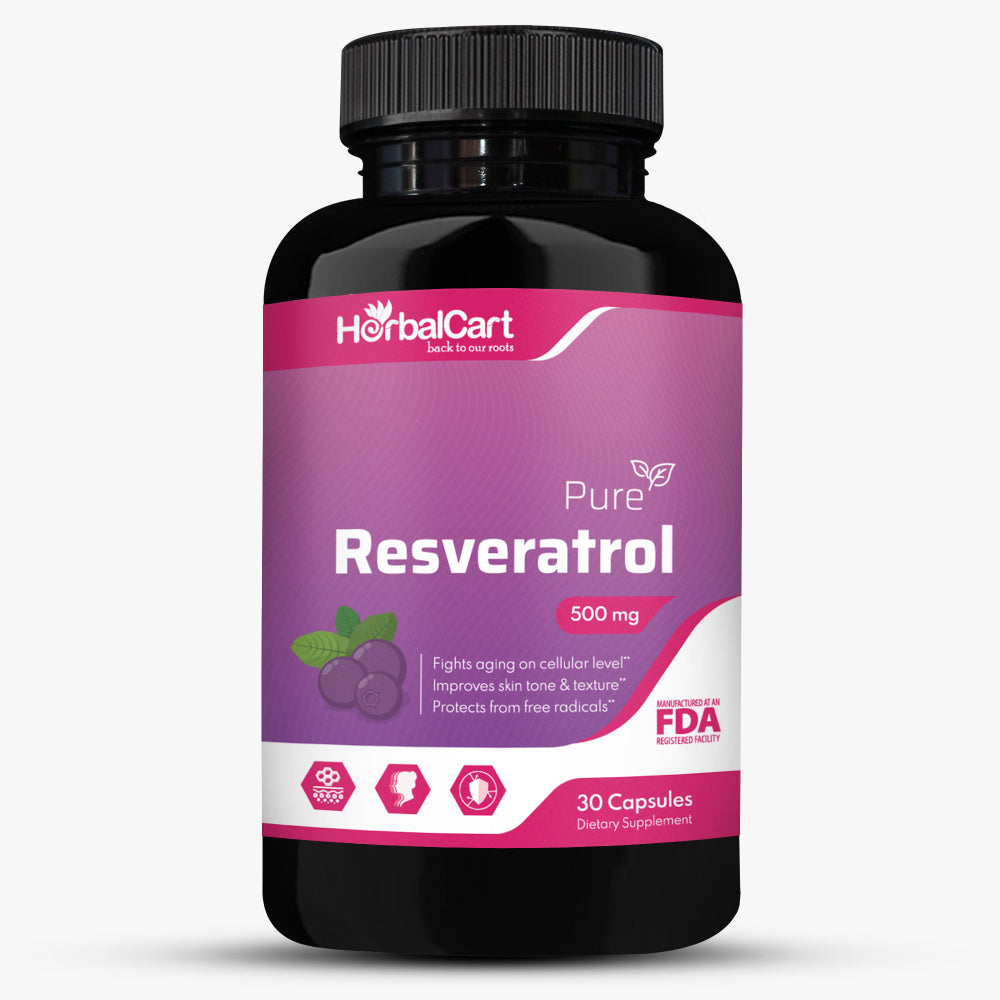
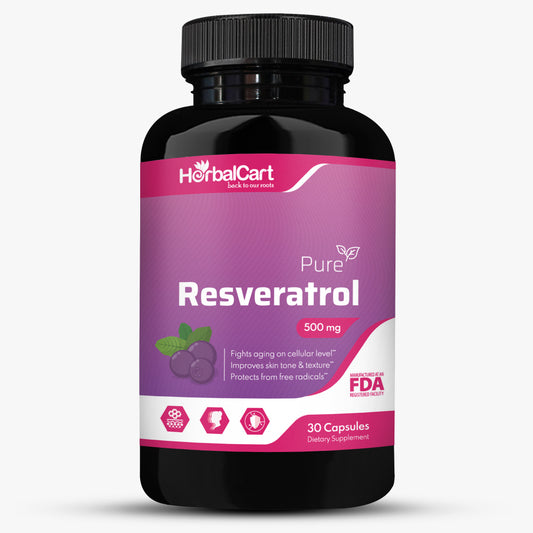
If you are looking for a reliable, premium option to start your protocol, consider the Herbal Cart Resveratrol Supplement, which delivers an ultra-pure, standardized dose of active trans-resveratrol and is thoroughly tested for maximum bioavailability and safety.
Possible Side Effects, Medical Risks, and Counter-Indications
While trans-resveratrol is generally considered safe for most healthy adults, it is a pharmacologically active compound with systemic effects, which means it carries potential risks.
1. Pharmaceutical Drug Interactions
Resveratrol alters the rate at which the liver metabolizes certain medications by acting as a mild inhibitor of specific liver enzymes (such as Cytochrome P450).
-
Blood Thinners (Anticoagulants): Resveratrol naturally reduces platelet aggregation. If you take prescriptions like Warfarin, Heparin, or over-the-counter Aspirin, combining them with resveratrol significantly increases your risk of easy bruising or bleeding.
-
NSAIDs: Common pain relievers like Ibuprofen or Naproxen also slow blood clotting. Combining these with high doses of resveratrol can compound the strain on your stomach lining.
-
Blood Pressure & Diabetes Medications: Because resveratrol can lower blood pressure and improve insulin sensitivity, it can amplify the effects of antihypertensive and antidiabetic drugs, potentially causing your blood pressure or blood glucose to drop dangerously low.
2. High-Risk Demographics
-
Hormone-Sensitive Conditions: Structurally, resveratrol is a phytoestrogen (a plant-derived compound that weakly mimics estrogen). If you have a personal history of breast cancer, uterine cancer, ovarian cancer, endometriosis, or uterine fibroids, you should completely avoid daily supplementation.
-
Upcoming Surgical Procedures: Because of resveratrol's natural blood-thinning properties, you must stop taking resveratrol at least 2 full weeks before any scheduled surgical, medical, or major dental operation to prevent excessive bleeding.
The Ultimate Longevity Stack: Resveratrol and NMN
In the longevity community, this combination has become the gold standard "biohacking stack" for cellular health, operating like a high-performance engine:
[NMN Supplementation] ──► Increases NAD+ Fuel ──┐
▼
[SIRT1 Proteins] ──► CELLULAR REPAIR
▲
[Resveratrol Supplement] ──► Presses Accelerator ┘
NMN is a direct cellular precursor to Ref (Nicotinamide Adenine Dinucleotide), an essential coenzyme found in every living cell. NAD+ is the literal fuel that sirtuin longevity proteins (SIRT1) require to function. As we age, our natural NAD+ levels plummet. Without NAD+, your sirtuins run completely out of fuel and sit idle. Resveratrol acts as the accelerator pedal, physically altering the SIRT1 protein so it functions faster.
If you take resveratrol without NMN, you are stepping on the gas pedal of a car that has an empty fuel tank. Pairing them together optimizes the entire pathway.
Final Summary: The Holistic Longevity Picture
Daily supplementation with standardized trans-resveratrol provides clear, evidence-based support for cardiovascular function, inflammation control, metabolic efficiency, and cellular dermal defense.
However, it is vital to maintain an honest perspective: no dietary supplement can outwork a destructive lifestyle. A capsule of trans-resveratrol will yield its best results when treated as one piece of a much larger, foundational health puzzle built upon a nutrient-dense, whole-foods diet, regular exercise, quality sleep, and proactive stress management.
Disclaimer: This article is designed strictly for informational and educational purposes. It does not constitute formal medical advice.