


It's 2 PM, and you're dragging through your workday. Your eyes are heavy, your body feels like it's moving through molasses, and there's still a mountain of tasks ahead. You think you're just getting older, or maybe stressed. But what if the real culprit is something much simpler—something you can actually fix?
If you're one of millions of Americans struggling with unexplained fatigue, low energy, and that persistent "bone-tired" feeling, your iron levels could be the missing piece to your puzzle. Iron deficiency is sneaky. It doesn't announce itself loudly. Instead, it whispers through constant tiredness, brain fog, and that nagging sense that you're not yourself anymore.
But here's the good news: you don't need expensive supplements or extreme lifestyle changes to reclaim your energy. The solution might already be sitting in your kitchen.
In this comprehensive guide, we'll explore 12 powerful iron-rich foods backed by research, proven real-world strategies, and honest stories from people who've reclaimed their energy. Whether you're a busy professional, an athlete, a vegetarian, or someone who simply wants to feel better, this guide will show you exactly how to boost your iron levels naturally.
The Growing Iron Deficiency Problem in America
Let's start with a sobering statistic: approximately 10 million Americans struggle with iron deficiency, according to the CDC. Even more concerning? Many don't realize they have it.
The problem is particularly acute among certain groups. Women in their reproductive years are three times more likely to be iron deficient than men because of menstrual blood loss. Vegetarians and vegans face challenges absorbing iron from plant sources. Older adults often struggle due to digestive changes and medication interactions. Athletes—especially endurance runners—lose iron through sweat and can develop what's known as "sports anemia."
What many people don't realize is that iron deficiency develops gradually. It doesn't just flip a switch one day. Your body quietly depletes its iron stores, and by the time you notice something's wrong, you're already significantly deficient.
The lifestyle impact is real. According to research published in the American Journal of Clinical Nutrition, people with iron deficiency experience:
- 40% reduction in work productivity
- Difficulty concentrating and impaired memory
- Weakened immune system (more frequent infections)
- Reduced physical endurance
- Mood changes and anxiety
Why Your Body Needs Iron More Than You Think
Before we dive into foods, let's understand what iron actually does. Think of iron as your body's oxygen delivery driver. Your red blood cells use iron to carry oxygen from your lungs to every part of your body. Without enough iron, your cells don't get the oxygen they need, and your energy crashes.
But iron does so much more than that:
- Powers your energy production: At the cellular level, iron is essential for ATP production—the literal fuel your cells run on.
- Supports immune function: Your white blood cells rely on iron to fight infections effectively.
- Maintains brain health: Your brain contains about 5-6 mg of iron and needs it for memory, learning, and mood regulation.
- Keeps your metabolism running: Iron is crucial for thyroid function and metabolic rate.
- Supports muscle function: Both for strength and endurance.
Here's what the research shows: adult women need 18 mg of iron daily (8 mg after age 51), while adult men need 8 mg daily throughout their lives. Pregnant women need 27 mg daily. Athletes may need 1.3-1.7 times the standard amount.
The catch? Not all iron is created equal. Your body absorbs iron differently depending on the source, and there are several factors that either enhance or block absorption. This is where strategy comes in.
Early Signs of Iron Deficiency Most People Miss
Here's a checklist. If more than a few of these sound like you, it's worth getting tested:
- ✓ Persistent fatigue even after adequate sleep
- ✓ Brain fog, difficulty concentrating, or poor memory
- ✓ Shortness of breath with minimal exertion
- ✓ Weakness or heaviness in your limbs
- ✓ Frequent headaches
- ✓ Dizziness or lightheadedness
- ✓ Cold hands and feet
- ✓ Pale skin, nail beds, or inner eyelids
- ✓ Brittle nails or unusual nail ridges
- ✓ Restless leg syndrome
- ✓ Difficulty regulating body temperature
- ✓ Anxiety or irritability
- ✓ Difficulty with concentration at work
The problem? These symptoms are so common that they're often attributed to stress, aging, or depression. People spend months—even years—managing symptoms without addressing the root cause.
Understanding Heme vs. Non-Heme Iron: Why It Matters
This is crucial information that changes how you should eat to boost iron:
Heme Iron (found only in animal products):
- Comes from hemoglobin in animal blood and muscle
- Absorption rate: 15-35% of what you consume
- Your body absorbs it efficiently without much interference
- Found in: red meat, poultry, fish, seafood
- Your takeaway: Animal-based iron is your most bioavailable option
Non-Heme Iron (found in plant sources and fortified foods):
- Found in legumes, grains, seeds, dark leafy greens, and fortified cereals
- Absorption rate: 2-20% of what you consume (much lower!)
- Heavily affected by other foods and beverages you consume with it
- Requires strategic pairing for maximum absorption
- Found in: beans, lentils, spinach, fortified grains, nuts, seeds
Here's why this matters in practical terms: One serving of red meat can provide more usable iron than multiple servings of spinach. This is why vegetarians and vegans need to be particularly strategic about their iron intake.
Top 12 Iron-Rich Foods to Transform Your Energy
1. Beef (Lean Red Meat)
Iron Content: 2.6-3.6 mg per 3-oz serving | Type: Heme Iron
Red meat is the MVP of iron sources. A single 3-ounce serving of lean beef provides 30% of your daily iron needs, and your body absorbs most of it efficiently. Beef also contains vitamin B12, zinc, and selenium—nutrients that work synergistically with iron.
2. Chicken and Turkey
Iron Content: 0.9-1.4 mg per 3-oz serving | Type: Heme Iron
While poultry contains less iron than red meat, it's an excellent option for those who eat less beef. Chicken and turkey are also excellent sources of complete protein and B vitamins, which support energy metabolism.
3. Fish and Seafood
Iron Content: 0.8-25.6 mg per 3-oz serving | Type: Heme Iron
This is where seafood becomes a star player. While regular fish like salmon contains modest iron (0.8 mg), shellfish is absolutely loaded. Clams are the undisputed champion with 25.6 mg per 3-oz serving—nearly a full day's requirement in a single serving.
4. Legumes (Lentils, Beans, and Chickpeas)
Iron Content: 3.3-6.6 mg per cooked cup | Type: Non-Heme Iron
Legumes are the plant-based iron powerhouse. One cup of cooked lentils provides 37% of your daily iron needs. They're also rich in fiber, plant-based protein, and countless micronutrients.
5. Dark Leafy Greens (Spinach, Kale, Swiss Chard)
Iron Content: 2.7-5.2 mg per cooked cup | Type: Non-Heme Iron
Spinach and kale are nutritional superstars, but here's what most people get wrong: raw spinach contains oxalic acid, which binds iron and prevents absorption. Cooking reduces oxalic acid by up to 50%, making cooked greens significantly more bioavailable.
6. Fortified Cereals and Grains
Iron Content: 18 mg per serving (varies by brand) | Type: Non-Heme Iron (added)
Some fortified cereals contain more iron per serving than red meat. This is actually fantastic because it means a quick breakfast can contribute significantly to your daily intake.
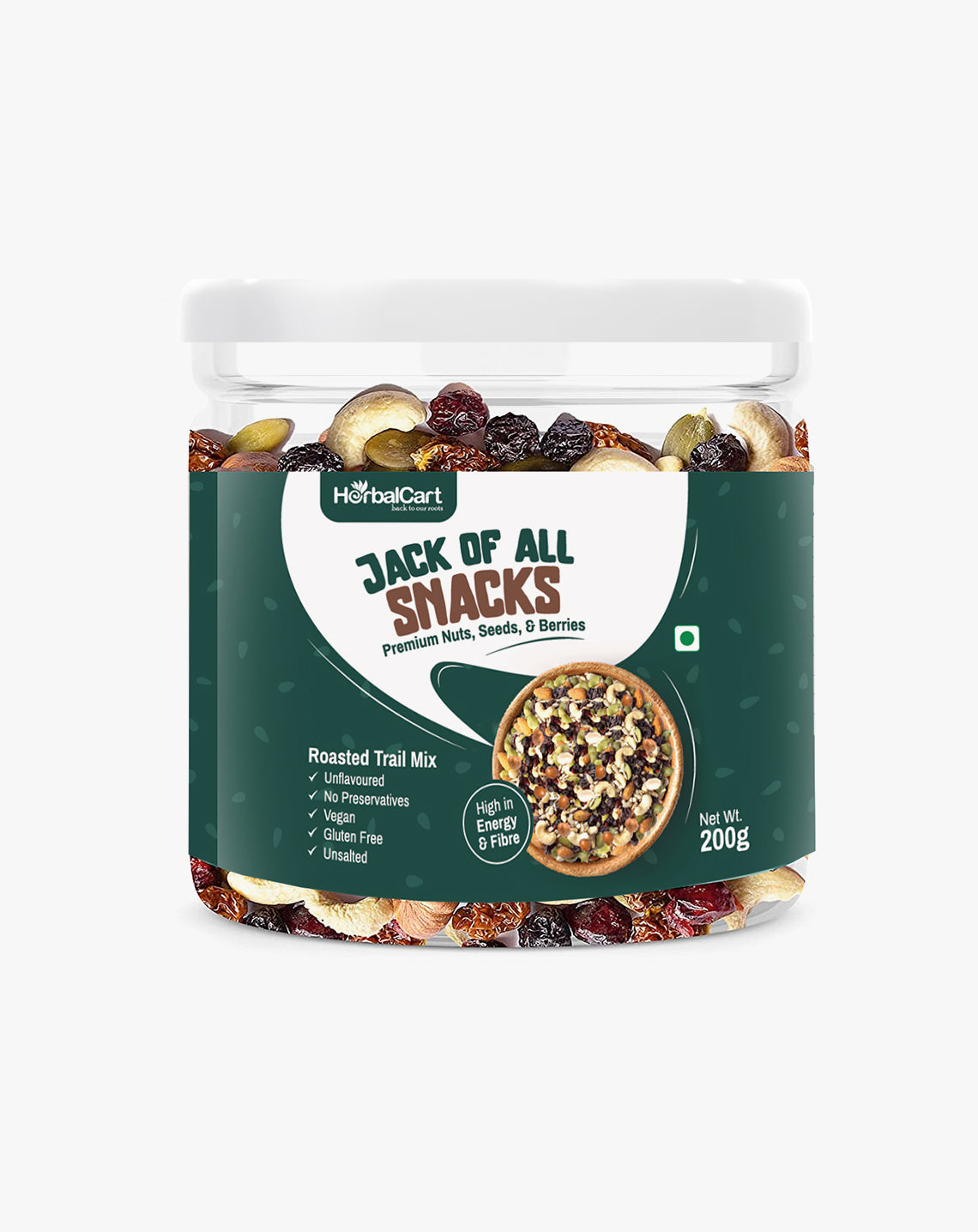
7. Nuts and Seeds (Pumpkin Seeds, Cashews, Almonds)
Iron Content: 1.3-4.2 mg per ounce | Type: Non-Heme Iron
Seeds—especially pumpkin seeds—are iron-dense. A quarter cup of pumpkin seeds contains about 4.2 mg of iron, plus magnesium (which supports energy) and zinc (which supports immune function).
8. Dried Fruits (Apricots, Raisins, Dates)
Iron Content: 1.7-5.3 mg per quarter cup | Type: Non-Heme Iron
9. Tofu and Soy Products
Iron Content: 3.4-6.6 mg per half cup | Type: Non-Heme Iron
For vegans and vegetarians, tofu and tempeh are crucial proteins that happen to be iron-rich. Tofu is incredibly versatile and absorbs flavors from whatever you cook it with.
10. Quinoa
Iron Content: 2.8 mg per cooked cup | Type: Non-Heme Iron
Quinoa is a complete protein containing all nine amino acids—unusual for a grain. It's also iron-rich and considerably more bioavailable than many other grains due to lower phytic acid content.
11. Egg Yolks
Iron Content: 0.9 mg per yolk | Type: Heme Iron (though modest)
While eggs aren't the iron superstars, the yolks contain heme iron plus choline (which supports brain function) and lutein (which supports eye health). They're also incredibly convenient.
12. Blackstrap Molasses
Iron Content: 3.2 mg per tablespoon | Type: Non-Heme Iron
This is a secret weapon. Blackstrap molasses is literally the byproduct of sugar refining and contains concentrated minerals, including impressive amounts of iron, plus calcium and magnesium.
Foods That Help or Hurt Iron Absorption
You can eat iron-rich foods all day long, but if you're eating them with "iron blockers," you're severely limiting what your body actually absorbs.
Iron Absorption Helpers (Eat These Together):
- Vitamin C: Citrus fruits, berries, tomatoes, peppers, kiwi, broccoli
- Organic acids: Lemon juice, vinegar, tomato-based sauces
- Meat, poultry, or fish: Even small amounts of animal protein enhance plant iron absorption
- Alcohol (in moderation): Acidic environment aids absorption
Iron Absorption Blockers (Avoid at Mealtime):
- Calcium supplements (food calcium is fine in moderation)
- Tea and coffee: Tannins bind iron—wait 2 hours after iron-rich meals
- Whole grains, nuts, seeds: Due to phytic acid (mitigated by soaking)
- High-fiber supplements: Taken at meal time
- Dairy products: Large amounts can inhibit absorption
Practical Iron-Maximizing Meal Combinations:
Breakfast Example: Oatmeal with blackstrap molasses + orange juice + almonds = Multiple iron sources plus vitamin C booster
Lunch Example: Lentil soup (cooked with tomatoes) + whole grain bread + orange on the side = Non-heme iron with built-in vitamin C
Dinner Example: Lean beef stir-fry + red peppers + spinach + brown rice = Heme iron plus multiple absorption enhancers
Snack Example: Pumpkin seeds + dried apricots = Seeds plus vitamin C from fruit
"Understanding these combinations transformed my iron journey," explained Susan, 54. "I wasn't doing anything wrong—I was just eating my iron-rich foods with my afternoon coffee and calcium-fortified milk. Once I adjusted timing, my levels climbed noticeably within two months."
Why Diet Alone Doesn't Always Fix Low Iron
Let's be honest: for some people, diet alone won't completely resolve iron deficiency. This is important to acknowledge.
Certain conditions prevent iron absorption regardless of diet:
- Celiac disease or IBS
- Crohn's disease or ulcerative colitis
- Gastric bypass surgery
- Chronic bleeding (including heavy menstruation)
- Certain medications (like PPIs for acid reflux)
Additionally, if your iron stores are severely depleted, rebuilding through diet alone can take 6-12 months. If you need rapid recovery—like before surgery or for severe anemia symptoms—supplements become necessary.
The solution: Usually, the answer is "both." You rebuild iron levels through diet changes and potentially short-term supplementation (under medical supervision), then maintain through dietary strategies long-term.
"My doctor prescribed an iron supplement while I overhaul my diet," shared Jennifer, 46. "We're treating the immediate problem while I build sustainable eating habits. Once my levels normalize, we'll likely reduce the supplement and maintain through food. It's a combination approach, not one or the other."
How Quickly Can You Rebuild Your Iron Levels?
This is the question everyone asks: When will I feel better?
Realistic timeline:
- Weeks 1-2: Minimal changes; your body is adjusting
- Weeks 3-4: Many people notice subtle improvements in energy and mental clarity
- Weeks 6-8: Most people experience noticeable energy increases, improved mood, better concentration
- Weeks 12-16: Significant improvements in stamina, physical capacity, overall well-being
- Months 4-6: Full recovery for mild to moderate deficiency
Factors that affect speed:
- Severity: More depleted stores take longer to rebuild
- Consistency: Daily dietary changes beat sporadic efforts
- Absorption ability: Digestive health matters
- Concurrent supplements: Speed recovery if needed
- Addressing the cause: If heavy menstruation or bleeding continues, improvement stalls
"Within six weeks of dietary changes, I noticed I could run farther without getting winded," reported Kevin, 39, an endurance runner. "By week 12, I'd regained competitive performance. But those first two weeks? I barely noticed anything. That's when I almost gave up."
Simple Steps to Maintain Healthy Iron Levels
Once you've rebuilt your iron, the goal is preventing deficiency from returning.
Daily habits:
- Include an iron source at lunch and dinner: Even 1-2 ounces of animal protein or a half-cup of legumes counts
- Drink water instead of tea with meals: Especially iron-rich meals
- Pair iron foods with vitamin C: Citrus, tomatoes, or peppers at most meals
- Vary your iron sources: Rotation prevents nutrient monotony
- Cook in cast iron occasionally: Adds small amounts of dietary iron
- Get annual blood work: Catch drops early before symptoms develop
- Address underlying conditions: Heavy periods, digestive issues, or chronic bleeding need treatment
Meal prep idea: Batch cook grains (quinoa, brown rice), prepare two proteins (perhaps ground beef and lentils), chop vegetables, and assemble mix-and-match bowls throughout the week. This makes consistency simple.
Who Is Most at Risk of Iron Deficiency?
Understanding your risk helps you be proactive:
High Risk:
- Women aged 19-50 (monthly blood loss)
- Vegetarians and vegans
- Endurance athletes
- People with digestive disorders
- Those taking certain medications (PPIs, H2 blockers)
- Pregnant women
- People with chronic bleeding conditions
Moderate Risk:
- Women over 50 with other factors
- Men over 70
- Regular blood donors
- People with poor diets
Lower Risk:
- Adult men without other factors
- Postmenopausal women
- People who regularly include iron-rich foods
If you fall into any high-risk category, annual iron testing is a smart preventive measure.
Iron Supplements vs. Iron-Rich Foods: Which Works Better?
For long-term iron health: Food wins.
Here's why:
- Food sources are gentler on the digestive system
- You absorb nutrients synergistically (iron plus B vitamins plus other minerals work together)
- Food sources are sustainable indefinitely
- No risk of iron overload
- Cost-effective long-term
However, supplements have their place:
- Rapid recovery from severe deficiency
- Short-term intensive treatment
- When food sources are inadequate or not tolerated
- Before surgery or during pregnancy
The practical answer: Most people benefit from combining both approaches—using supplements short-term while building iron-rich eating habits, then maintaining through diet alone.
Final Takeaway: Your Energy Restoration Starts Today
You don't have to live with that persistent tiredness. You don't have to accept "This is just how it is" as your reality. Iron deficiency is one of the most treatable nutritional deficiencies—and the treatment is delicious.
Whether you start by adding a weekly serving of clams, committing to lentil-based lunches, or simply pairing your spinach salad with lemon dressing, you're moving in the direction of feeling like yourself again.
The people we've featured in this guide didn't do anything extraordinary. They didn't overhaul their entire lives or spend hundreds of dollars on supplements. They simply learned what their bodies needed and made strategic food choices.
Your action plan for this week:
- Choose one iron-rich food from this list that sounds appealing
- Plan one meal featuring that food
- Remember to pair it with a vitamin C source or an iron-enhancing companion
- If symptoms persist beyond 4-6 weeks of dietary changes, request iron testing from your doctor
You have everything you need to reclaim your energy naturally. The solution is literally in your grocery store.
"I wish I'd known how simple this could be," reflected Margaret, 61, three months into her iron-rich eating journey. "I spent years thinking fatigue was just part of getting older. Turns out, it was fixable. I feel like myself again."
You can too. Start today.
Disclaimer: This article is for educational purposes and should not replace professional medical advice. If you suspect iron deficiency, consult with your healthcare provider for proper diagnosis and treatment.