


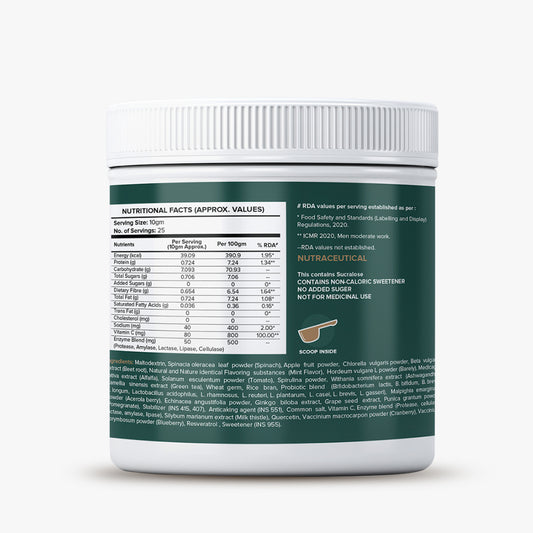

We all add herbs and spices to our recipes to enhance the flavors, but most of us are not aware of the major role they are playing in improving the overall health. The use of herbs in drugs dates back to thousands of years. Natural plants are used to treat a number of health concerns throughout the human history. Millions of dollars have been invested in researching and creating pharmaceutical products. Today, herbs are used to eliminate nutritional deficiencies and restore the correct functioning of the body. There are countless herbs grown across the globe. We have listed some of the most important herbs and their benefits below:
Cinnamon
Cinnamon is a spice that is made from the inner bark of trees called Cinnamomum. In earlier times, it was rare and valuable, however, these days it is easily available in every supermarket. There are two types of cinnamon, ceylon, and cassia. It is a great addition to savory foods.
Cinnamon Benefits:
- It is a high source of antioxidant
- It helps in reducing inflammation
- It regularizes blood sugar and triglyceride levels
- It alleviates nausea
- Aids in fat burning
- It has antimicrobial properties
Basil
Basic leaves are probably one of the most ancient herbs used for medicinal purposes. It is a versatile herb that can be added to practically anything. It is available in fresh as well as dried versions in local markets. These leaves are rich in protein, riboflavin, folate, niacin, calcium, magnesium, iron, potassium, phosphorus, copper, and zinc.
Basil Benefits:
- It has anti-inflammatory and antiviral properties
- It can prevent osteoarthritis
- It helps in eliminating digestive disorders
- Studies show it has anti-cancer properties
- It helps in curing colds, coughs, and sore throats
Turmeric
Turmeric is used for nearly 4000 years. Modern medicine has begun to recognize its importance. It is used to add flavors and yellow color to any food. It contains Curcumin, which makes turmeric fight many diseases. turmeric extracts can scavenge free radicals, increase antioxidant enzymes and inhibit lipid peroxidation.
Turmeric Benefits:
- It has the ability to reduce inflammation and improve joints
- It prevents blood clotting
- It helps in fighting depression
- It eases osteoarthritis and rheumatoid arthritis symptoms
- It helps in regulating cholesterol
- Curcumin is known for fighting cancer
Aloe Vera
Aloe Vera is a stemless plant with thick, fleshy and green leaves. It is a popular medicinal herb that grows in arid climates. Aloe Vera is used in cosmetics, pharmaceutical and food industries due to its amazing qualities. It is available in different forms in most of the health stores these days. 75 potentially active components have been identified in this plant, including vitamins, minerals, saccharides, amino acids, enzymes, and salicylic acids.
Aloe Vera Benefits:
- It efficiently heals wounds and burns
- Aloe Vera juice is good for eliminating diabetes
- It soothes rashes and skin irritations
- It treats burns and cold sores
- It moisturizes the skin
-
It helps in reducing inflammation
Cayenne
Cayenne Pepper is one of the good sources of niacin, riboflavin, magnesium, iron, potassium, manganese, vitamin C, A, E, K, and vitamin B6, and dietary fiber. It can be added to practically any dish, meat, vegetable, or sauce. However, using it in large amount can cause burn in the mouth.
Cayenne Benefits:
- It has beneficial properties for the human circulatory system
- It increases circulation and reduces the risk of heart problems
- It works effectively for weight reduction
- This herb helps in alleviating allergies and muscle cramps
-
It equalizes the blood pressure in the venous and arterial system
Fenugreek
Fenugreek is an herb with light green leaves and small white flowers. The seedpods contain 10-20 small, flat, yellow-brown seeds. It is also known as Greek hay. They are rich in protein, copper, magnesium, manganese, iron, and dietary fiber. The seeds, as well as the other parts of the fenugreek plant, have medicinal values.
Fenugreek Benefits:
- It helps in soothing gastrointestinal inflammation
- It balances cholesterol levels
- It treats diabetes
- It lowers blood sugar
- It is a home remedy for boils, abscesses, eczema, burns, and gout
Garlic
Garlic (Allium sativum) has been used as both food and medicine for more than 5,000 years, from ancient Egypt to traditional Chinese medicine. Its power comes from allicin, a sulfur compound that forms only when a raw clove is crushed, chopped, or chewed. Heat destroys the enzyme that creates allicin, which is why nutrition researchers often suggest crushing garlic and letting it rest for about 10 minutes before cooking. A single clove is low in calories but supplies manganese, vitamin B6, vitamin C, and selenium.
Garlic Benefits:
- It supports healthy blood pressure — reviews of clinical trials show garlic supplements can modestly lower readings in people with hypertension
- It helps improve cholesterol balance, particularly total and LDL cholesterol
- It may reduce how often you catch a cold and how long symptoms last
- It has natural antibacterial and antifungal properties
- It is a strong source of antioxidants that help protect cells from oxidative stress
- Some population studies link regular garlic intake with a lower risk of certain cancers
Ginger
Ginger (Zingiber officinale) is the underground rhizome of a flowering plant native to Southeast Asia, and it's one of the most heavily researched herbs in the world. Its active compound, gingerol, gives ginger its sharp bite and drives most of its anti-inflammatory and anti-nausea effects. It works fresh, dried, powdered, or steeped as tea, which makes it one of the easiest herbs to add to a daily routine.
Ginger Benefits:
- It is one of the most reliable natural remedies for nausea, including morning sickness and motion sickness
- It speeds up stomach emptying and eases indigestion and bloating
- It helps reduce muscle soreness after exercise
- It may ease osteoarthritis pain and stiffness, especially in the knees
- It has been shown to help lower fasting blood sugar in people with type 2 diabetes
- Its anti-inflammatory compounds help calm menstrual cramps
Rosemary
Rosemary (Salvia rosmarinus) is a woody Mediterranean evergreen with needle-like leaves and a pine-forward aroma. It has been tied to memory since antiquity — Greek scholars reportedly wore rosemary garlands while studying. Modern research is catching up: its key compounds, rosmarinic acid, carnosic acid, and 1,8-cineole, are potent antioxidants that also appear to influence alertness. Rosemary thrives in a pot on a sunny windowsill, so it's one of the simplest herbs to grow at home.
Rosemary Benefits:
- It is linked to better memory, concentration, and alertness, with some studies showing effects from the aroma alone
- It is exceptionally rich in antioxidants that fight free radical damage
- Its anti-inflammatory compounds may help with joint discomfort
- It supports digestion and has traditionally been used for gas and bloating
- Rosemary oil has shown promise for hair growth, with one trial finding results comparable to minoxidil for androgenetic alopecia
- Its natural antimicrobial compounds make it an effective food preservative
If you are cooking your meals with salt and pepper, then it is time to experiment with these amazing herbs and spices. You can buy herbs or you can try growing your own. There are many benefits of these amazing herbs, which makes them worth trying.
Obviously, there are lots more out there. If you know of another herb with great health benefits, share it below!
Frequently Asked Questions
Can I take garlic, ginger, and rosemary together?
Yes. In food amounts they combine safely and are used together in cuisines worldwide. Concentrated supplements are a different matter — since garlic and ginger both have mild blood-thinning effects, stacking high-dose versions should be cleared with your doctor.
How much of each herb do I need daily to see benefits?
Studies commonly use around 1–2 fresh garlic cloves, 1–3 grams of ginger, and culinary amounts of rosemary. Consistency matters more than a large single dose.
Does cooking destroy the health benefits?
Partly. Garlic loses the most, which is why crushing it and resting it before cooking helps. Ginger and rosemary hold up well to heat, and some rosemary antioxidants become more available when cooked in oil.
Are supplements better than fresh herbs?
Not necessarily. Supplements deliver a standardized dose, which is useful in research, but fresh herbs come with fiber and a fuller range of plant compounds. The supplement market is also loosely regulated in the US, so look for products with third-party testing such as USP or NSF certification.
Can these herbs replace my medication?
No. They can complement a healthy diet, but they are not a substitute for prescribed treatment for high blood pressure, diabetes, heart disease, or any other condition. Never stop a prescribed medication without talking to your doctor.
Who should be cautious with these herbs?
People taking blood thinners, those with upcoming surgery, pregnant or breastfeeding women, people with gallstones or acid reflux, and anyone with a known allium or plant allergy.
Medical Disclaimer: This article is for general informational and educational purposes only and is not a substitute for professional medical advice, diagnosis, or treatment. Always seek the guidance of your physician or another qualified health provider with any questions you may have about a medical condition, medication, or dietary supplement. Never disregard professional medical advice or delay seeking it because of something you have read here.