



Old age, a phase in life when joints no longer remain our companion and hurt. Old age, a phase in life when sound sleep turns its back and leaves us sleepless. And old age, a phase in life when there is no option left than accepting the bitter truth of living with certain health ailments.
Is this how you define old age? Have you ever been told by a health expert that these problems are common as you grow? If so, let us feed your ears with some magical words, nothing among these is true.
As per medical journals, lack of exercise, poor diet and unhealthy lifestyle contribute to a large share of chronic diseases. Since this important piece of information lacks the needed medical education, this post will try its best to provide you the needed knowledge and help. Read it to unveil the suggestions from nutrition and modern lifestyle's perspective to preserve energy and youthfulness. These human longevity tips will also answer the question many of us quietly ask: how to live longer, and live well.
What Is Human Longevity? Healthspan vs Lifespan
Most people hear "longevity" and think only of a very long life. Doctors look at two things. Lifespan is the total number of years you live. Healthspan is the number of those years you spend active, independent and free from serious illness.
Imagine two people who both live to 85. One walks to the market and plays with grandchildren. The other spends ten years in and out of hospitals. Their lifespan is the same, but their healthspan is very different. Good longevity tips aim to stretch the healthy part.
A large Harvard study published in Circulation (2018) found that adults who followed five healthy habits (not smoking, healthy weight, regular exercise, moderate alcohol and a quality diet) lived about 12 to 14 years longer at age 50 than those who followed none. These are the habits for longevity we build on below.
Normal Aging vs Avoidable Problems
Some changes are natural: gradual muscle loss after 30 to 40, slower recovery, changes in sleep timing, and small changes in vision and hearing. But many problems that people call "just age" are often the result of years of habits: constant joint pain from weak muscles, poor sleep, type 2 diabetes, high blood pressure, falls and low mood. That second group is the part we can work on with simple healthy aging tips.
1. Have Lean Muscle

As per experts, healthy aging begins when one has appropriate amount of lean muscle. American Journal of Clinical Nutrition has concluded lean muscle mass to be directly associated with one's life span. To remain looking young and to prevent aging, having the right lean muscle is definitely a necessity.
Why Muscle Matters So Much
Muscle burns blood sugar, supports joints, protects bones and keeps you steady on your feet. When it melts away with age, a condition called sarcopenia, even climbing stairs or getting up from a chair becomes hard. Grip strength is also one of the better predictors of how well someone will age.
Strength Training for Seniors and Adults Over 40
You do not need a gym. Chair squats, wall push-ups, resistance bands and light dumbbells all count. Aim for strength training at least two days a week, covering legs, back, chest, shoulders and core. People in their 70s and 80s have gained real strength this way, so learning how to build muscle after 50 is never a lost cause, and it is also the best way to prevent muscle loss with age.
2. Consume More Protein

Discussed above, lean muscle mass is something not to turn a deaf ear to. On that note, what else could be better than eating protein? Poultry, seafood, wild game meats, fish and beef are some of the best sources that are loaded with essential as well as branched-chain amino acids. Besides, these are rich in creatine and as obvious, they are known for their importance in building lean muscle. Is it all? Well, protein also looks after other areas such as inflammation, blood pressure and blood sugar.
How Much Protein Do Seniors Need?
Many expert groups suggest about 1.0 to 1.2 grams of protein per kilogram of body weight daily for healthy adults above 65. A person weighing 70 kg would aim for roughly 70 to 84 grams a day. If you have kidney disease or another medical condition, ask your doctor first.
Protein for Older Adults: Sources Beyond Meat
Not everyone eats meat, and you do not have to. Eggs, curd, milk, paneer, dal, rajma, chana, soya, tofu, nuts and seeds all work well. If your meals fall short, a whey protein concentrate or a plant-based protein powder can help fill the gap, and a protein bar works as a handy snack. Food should still come first.
Spread It Through the Day
Many older adults eat almost no protein at breakfast, just tea and toast, then a heavy portion at dinner. Try 20 to 30 grams at each main meal: eggs and curd at breakfast, dal and paneer at lunch, fish, chicken or tofu at dinner.
3. Keep A Check On Blood Sugar Levels

According to study conducted by New England Journal of Medicine, people above 65 years have a greater risk of dementia when blood sugar levels are high. There's no denying that with increase in age, people start leaning towards easy foods like tea and toast in place of healthy food. Doing this reduces their appetite and affects their brain cells, which then results in conditions like dementia and cognitive decline.
What could be done to avoid these fatal possibilities? Nothing other than taking low carb diet, eating fresh vegetables, lean meats and healthy fats. Why? For healthy brain and proper blood sugar level.
How to Control Blood Sugar Naturally
- Build meals around vegetables, protein and healthy fats
- Choose whole grains, millets, oats and legumes over white bread and maida
- Add fibre to every meal through salads, sprouts and fruit
- Take a 10 to 15 minute walk after meals
- Cut down sugary drinks and sweets
Besides lower-carb eating, the Mediterranean diet and the MIND diet for brain health also have strong evidence for protecting the heart and brain. The best diet is the one you can follow for years.
Get Tested Regularly
Prediabetes usually gives no warning. Get your fasting blood sugar and HbA1c checked once a year after 40, or earlier if diabetes runs in your family.
4. Move! Move! Move

Increase in age makes us easily prone to injuries, infections, decreased cardiac capacity, certain deficiencies, falls and decline in muscle mass. In patients above 65 years, CHF or Congestive Heart Failure is the most common health ailment. In this condition, heart loses its ability to pump enough blood, thereby, failing to meet needs of the body. End result? Not one but many, such as weakness, fatigue, low hemoglobin, risk of coma, attacks and even death.
Ensuring an active everyday routine and maintaining cardiovascular health are the best ways to stay away from falling prey to the above said problems. Another promising way is indulging in physical activity for approximately 20-30 minutes.
Best Exercise for Longevity: How Much Is Enough?
Twenty to thirty minutes a day is a very good start, and it builds toward the 150 minutes of moderate activity per week that most health bodies recommend, plus two days of muscle strengthening. Brisk walking, cycling, swimming, dancing and yoga all count. Wondering if it is too late to start exercising at 60? It is not. Begin with 10 minutes and build up, and check with your doctor if you have existing conditions. These are safe exercises for older adults for most people.
Balance, Flexibility and Sitting Less
A fall can change life overnight for someone above 65. Balance work such as standing on one leg near a wall, tai chi and simple yoga reduces fall risk. Also stand and walk every 30 to 45 minutes, because long hours of sitting are linked with higher heart and diabetes risk.
5. Adopt Optimistic Approach

While growing old, some people undergo decline in motivation as well as face mood swings. Researches have found that high insulin & blood sugar and low omega-3 & vitamin D are linked with depression as well as low mood. Since standard American Diet contains simple and processed carbs, it leads to inflammation, insulin dysfunction, increase in weight and low levels of omega-3 fats and vitamin D.
Most of us don't realize but intake of traditional food items feeds the body with body's building blocks. As a result, dysfunction and deficiencies are corrected along with maintenance of vitality. Last but not the least, anti-aging supplements can prove helpful, provided you pick the right one.
Food, Sunlight and Nutrient Gaps
Vitamin D is mostly made by the skin from sunlight, yet many people who work indoors are low in it. Omega-3 fats come from salmon, sardines, walnuts, flaxseed and chia seeds. Not sure whether your plate covers everything? Our guide on foods high in vitamins shows simple ways to eat vitamin-rich meals, and a multivitamin can help if a doctor finds a gap. Persistent low mood should always be discussed with a doctor or counsellor.
Mind, Friends and Purpose
People with a sense of purpose and regular social contact tend to live longer and stay sharper. Meet family and friends every week, keep learning something new, help someone in your community, and spend a few minutes daily on prayer, meditation or deep breathing.
Sleep and Longevity
Most adults need about 7 to 9 hours of quality sleep. To improve sleep as you age, keep fixed sleep and wake times, get morning daylight, avoid heavy dinners and late-night screens, and cut caffeine after afternoon. Loud snoring or constant tiredness should be checked for sleep apnea. Good sleep also supports the brain and helps prevent cognitive decline.
6. Fulfill Everyday Antioxidant Dose

Coffee is known for being an excellent source of polyphenols, the plant compounds that function as antioxidants. Apart from this, studies link the beverage with a lower risk of pre-diabetes & diabetes and better cognitive health, and some research even points to benefits for the DNA's telomeres, which relates to longevity. Starting the day with a good cup of coffee without sugar is undeniably the best way to make an energetic beginning.
It is important to know that lack of exercise, eating poor food diet and living a disorganized life contribute to harm health to a great extent. They have the potential to cause dementia, type-2 diabetes, heart issues and cognitive decline.
Does Coffee Help You Live Longer?
Large observational studies link moderate coffee (around 3 to 4 cups a day) with better health outcomes, but this shows association, not proof. Keep it sugar-free and avoid late-day caffeine if it affects your sleep.
Antioxidant Rich Foods for Healthy Aging
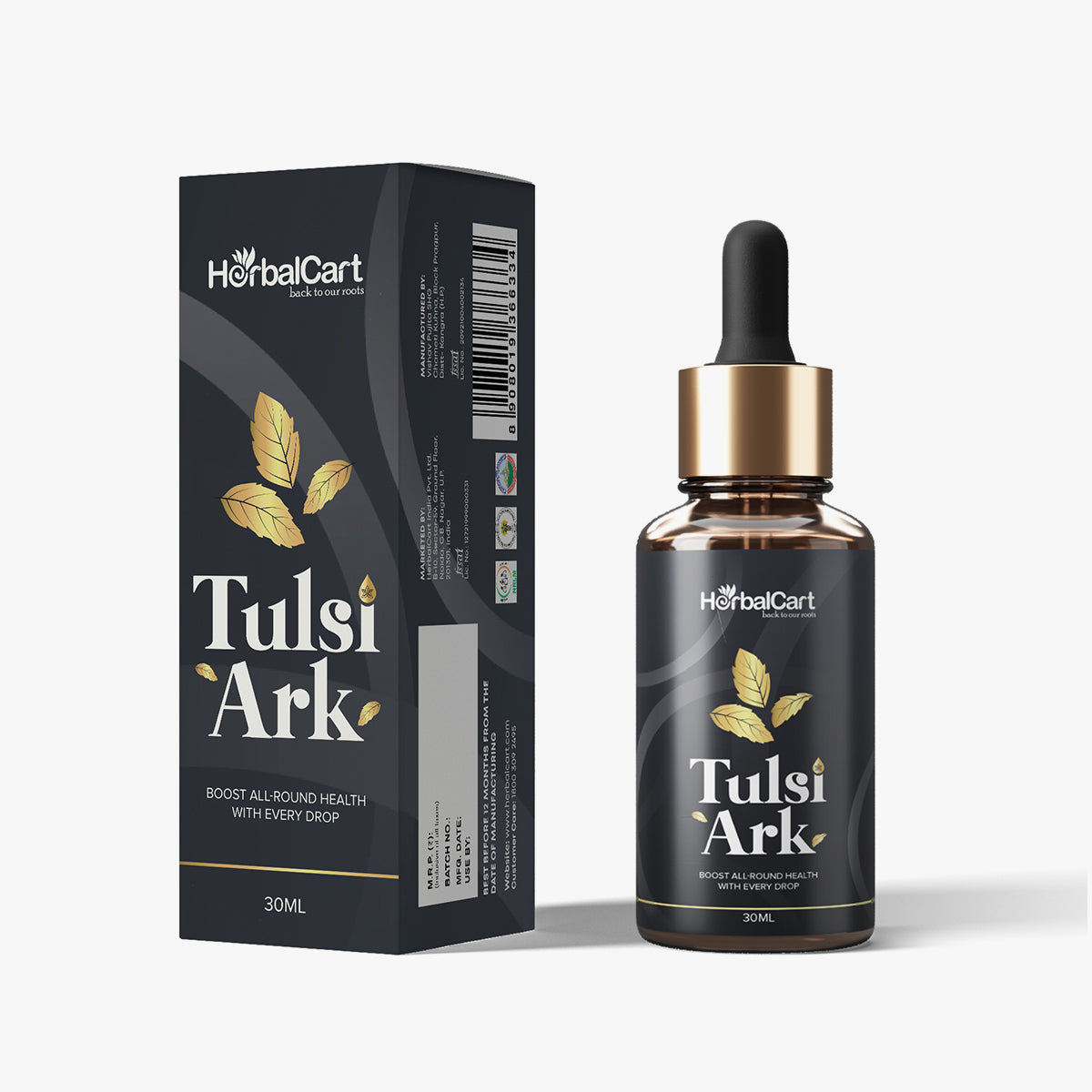
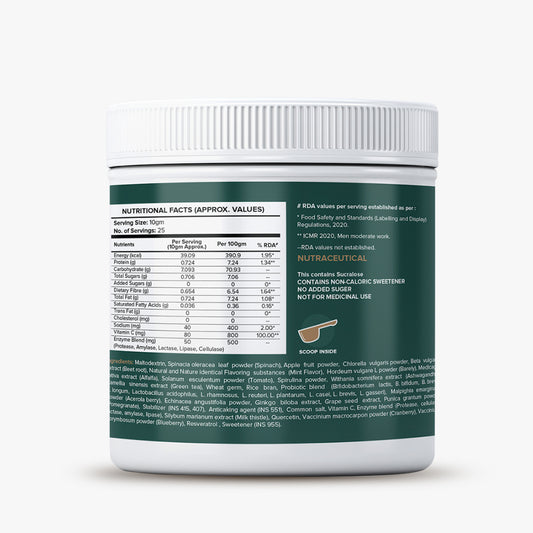
Colourful food is the most reliable source: tomatoes and pomegranate (red), carrots and papaya (orange), spinach, methi and broccoli (green), jamun and blueberries (purple). If daily greens are hard to manage, an essential greens superfoods powder can add variety, and herbal options like Tulsi Ark fit easily into a daily routine. These are among the best foods for longevity because whole foods bring fibre, vitamins and minerals together.
THE SHOCKING REALITY

It is our lifestyle that remains the secret to longevity. Health experts often share experiences that sound unbelievable. For example, young people suffering from high levels of blood sugar and blood pressure! And why they have to tolerate these consequences? Due to years of unhealthy diet and no exercise or workout sessions. Let's flip the picture now. There are men with age 70+ but still capable of performing chin-ups. Similarly, there are 70+ year women who can do deadlifts and squats easily. And how's that? By being particular about their diet, exercise and lifestyle. Also, these fit and active people have appreciable lipid panels, blood sugar, blood pressure and mood.
Genes play a role too, and nobody can promise a disease-free life, but our daily choices are far more powerful than we assume. These are the real habits of people who stay strong as they grow older.
Daily Longevity Habits: A Simple Routine for Healthy Aging
- Morning: Wake at a fixed time, drink water, 10 minutes of daylight, light stretching
- Breakfast: Eggs, sprouts or paneer with oats or whole grain roti, plus fruit
- Lunch: Dal, fish or chicken, vegetables, salad, a small portion of rice or roti
- Afternoon: A 10 minute walk after lunch
- Evening: 30 minutes of walking, or strength training two or three days a week
- Dinner: Light, early and protein rich
- Night: No screens for 30 to 60 minutes, then sleep at a fixed time
Pick two habits, practice them for two weeks, then add more.
Common Mistakes When Trying to Live Longer
- Waiting for a health problem before acting
- Eating too little, which causes muscle and bone loss
- Doing only cardio and skipping strength training
- Following extreme diet trends
- Ignoring sleep and stress
- Skipping regular check-ups
- Relying on supplements alone
Do Anti Aging Supplements Work?
Supplements can help in specific cases, such as vitamin D or B12 when blood tests show low levels. With NMN, NR and resveratrol, honesty matters. Animal studies look interesting, and some small human studies show NMN can raise NAD+ levels, but there is no strong proof yet that they slow aging or extend human lifespan. If you are curious about the science, read our comparison of NAD vs glutathione. Speak to your doctor first, choose third-party tested products, and treat any supplement as an extra, never the base of your plan.
SUMMARY

They say, 'age is just a number.' Indeed, it is. We shouldn't put any limit on our body and mind. Be it either of them or both, the input we provide, results are produced in accordance. When we eat the wrong food or live a lifestyle that's not decent, body and mind, both suffer. On the other hand, exercising regularly and maintaining a healthy diet results in increased energy and long-term youthfulness. Before wrapping it up, we would like to suggest you explore our NMN supplement if you are interested in supporting healthy aging alongside a good lifestyle. Don't know where to buy it from? Check out our inventory and make our NMN product yours. If you have any concern, read its description before making the purchase. Feel free to contact us too.
Disclaimer: This article is for general information only and does not replace professional medical advice. Please consult a qualified healthcare provider before changing your diet, exercise or supplements.