

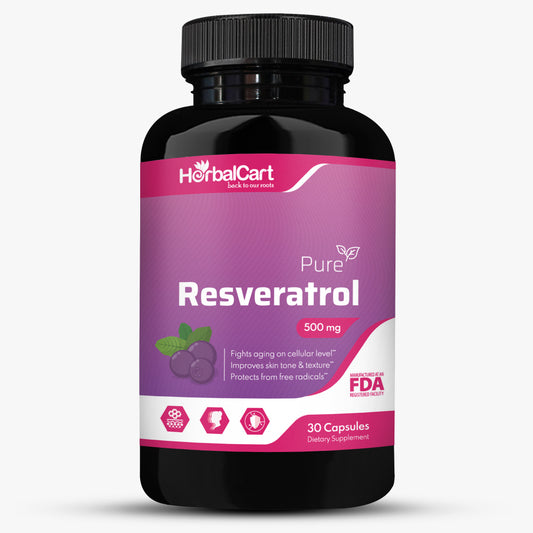
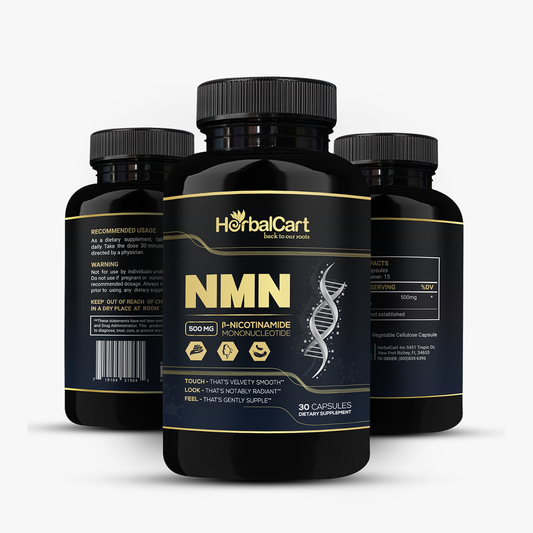

Walk into any wellness conversation today and you'll hear two names come up again and again: NAD and glutathione. Both are hailed as the building blocks of cellular health. Both show up in anti-aging clinics, longevity podcasts, and supplement store shelves. And both promise, in their own way, to help your body feel younger, stronger, and more resilient.
But here's the catch — NAD and glutathione are not interchangeable, and choosing the wrong one for your goals means you might not get the results you're hoping for. One is fundamentally an energy and repair molecule. The other is your body's primary detoxifier and antioxidant shield. Understanding the difference isn't just academic — it can genuinely change how you feel day to day.
This guide breaks down what each of these molecules actually does, how they're related to compounds like NMN and nicotinamide riboside, how NAD compares to NAC, and — most importantly — how to figure out which one (or both) deserves a place in your daily routine.
Note: This article is for educational purposes and is not a substitute for professional medical advice. Always speak with a qualified healthcare provider before starting any new supplement, especially if you have an existing health condition or take medication.
What Is NAD? Understanding Its Role, Benefits, and Functions
NAD (nicotinamide adenine dinucleotide) is a coenzyme found in every single cell of your body. Think of it as the spark plug that keeps your cellular engine running. Without adequate NAD, your mitochondria — the energy factories inside your cells — simply cannot produce the fuel your body needs to function. If you want to dive deeper into the science, our detailed guide on what NAD is and its role, benefits, and functions breaks it down further.
The Core Functions of NAD
- Energy metabolism: NAD helps convert the food you eat into usable cellular energy (ATP).
- DNA repair: It fuels enzymes called PARPs, which fix damaged DNA strands.
- Cellular communication: NAD activates sirtuins, a family of proteins linked to longevity and stress resistance.
- Circadian rhythm support: NAD levels naturally rise and fall with your body clock, influencing sleep quality.
Why NAD Levels Decline With Age
Research consistently shows that NAD levels drop significantly as we age — some studies suggest a decline of up to 50% by midlife. This drop has been linked to reduced energy, slower metabolism, weaker DNA repair, and visible signs of aging. This is precisely why NAD has become the centerpiece of so many anti-aging and longevity conversations.
What Is Glutathione? Meet the Master Antioxidant
While NAD powers your cells, glutathione protects them. Made from three amino acids — glutamine, glycine, and cysteine — glutathione is often called the body's "master antioxidant" because nearly every cell produces it internally, and it plays a role in neutralizing almost every other antioxidant your body uses, including vitamin C and vitamin E.
The Core Functions of Glutathione
- Detoxification: Glutathione binds to toxins and heavy metals in the liver, helping flush them from the body.
- Free radical neutralization: It protects cells from oxidative stress and damage.
- Immune support: Adequate glutathione levels help white blood cells function properly.
- Skin health: Many people take glutathione supplements for its role in skin brightening and reducing oxidative damage to skin cells.
Why Glutathione Levels Decline
Chronic stress, poor diet, pollution, alcohol consumption, and aging all reduce your body's natural glutathione production. Because it's used up so quickly when fighting oxidative stress, people under high physical or environmental stress often see their reserves depleted faster than they can rebuild them naturally.
NAD vs. Glutathione: The Key Differences
It's easy to lump these two together because they're both "cellular health" molecules, but their jobs are quite distinct.
| Aspect | NAD | Glutathione |
|---|---|---|
| Primary Role | Energy production & DNA repair | Detoxification & antioxidant defense |
| Best For | Fatigue, aging, metabolic support | Toxin exposure, oxidative stress, immunity |
| Related Compounds | NMN, Nicotinamide Riboside | NAC, Alpha-lipoic acid |
| Common Forms | IV therapy, oral NAD, precursors | IV therapy, liposomal, oral capsules |
Put simply: NAD is about generating cellular energy and repairing what's broken, while glutathione is about cleaning up and protecting cells from damage in the first place. Many longevity-focused routines actually use both, since energy production and detoxification work hand-in-hand — a cell that's well protected from oxidative stress can use its energy more efficiently.
NAD vs. NAC: What Actually Makes Them Different
A common point of confusion is between NAD and NAC (N-acetylcysteine). Despite the similar-sounding names, they are entirely different compounds with different purposes — a distinction we unpack in more detail in NAD vs NAC: what actually makes them different.
- NAD is a coenzyme directly involved in energy metabolism and DNA repair.
- NAC is an amino acid derivative that serves as a precursor to glutathione — meaning your body uses NAC to help manufacture glutathione internally.
So when someone asks "should I take NAD or NAC," the real question underneath is usually "do I want to support energy and repair, or do I want to support my body's detox and antioxidant capacity?" NAC doesn't boost NAD levels at all — it's squarely in the glutathione support category, not the energy support category. Recognizing this distinction alone helps eliminate a lot of the marketing confusion around these ingredients.
Boosting NAD Naturally: NMN and Nicotinamide Riboside
Since NAD itself is a large molecule that doesn't absorb efficiently when taken orally, most supplements focus on precursors — smaller molecules your body converts into NAD.
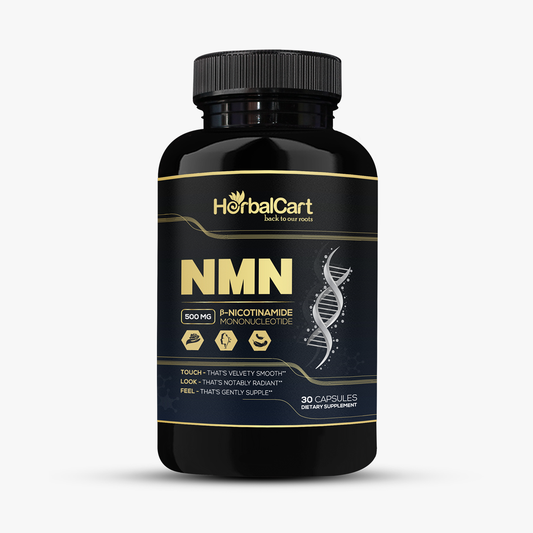
NMN (Nicotinamide Mononucleotide)
NMN is one of the most researched NAD precursors. Once ingested, it's converted into NAD through a well-studied enzymatic pathway. It has become popular precisely because early research suggests it may support:
- Improved energy metabolism
- Better cardiovascular markers
- Enhanced insulin sensitivity
- Cognitive support in aging models
NMN Natural Sources in Real Food
While supplements are the most concentrated source, small amounts of NMN do occur naturally in whole foods. We've covered this in depth in our guide to NMN natural sources in real food, but here's a quick overview of the top options:
- Broccoli
- Edamame and soybeans
- Avocados
- Cabbage
- Cucumbers
- Tomatoes
The catch is that food sources provide only trace amounts — you'd need to eat unrealistic quantities of these vegetables daily to match what a supplement dose provides. This is why most people who want a meaningful boost turn to a dedicated NMN supplement rather than relying on diet alone.
NMN Before and After: What People Typically Notice
While individual results vary widely and research is still evolving, many users report common patterns after consistent supplementation, typically over a period of 4–12 weeks. For real user experiences and a closer look at typical timelines, check out our NMN before and after guide:
- More stable energy throughout the day (rather than an artificial "buzz")
- Improved recovery after exercise
- Better sleep quality and more consistent circadian rhythm
- Subtle improvements in skin appearance over time
It's important to set realistic expectations — NMN is not a rapid-fix stimulant. Its effects tend to build gradually as cellular NAD levels are restored, so patience and consistency matter more than chasing an immediate before-and-after transformation.
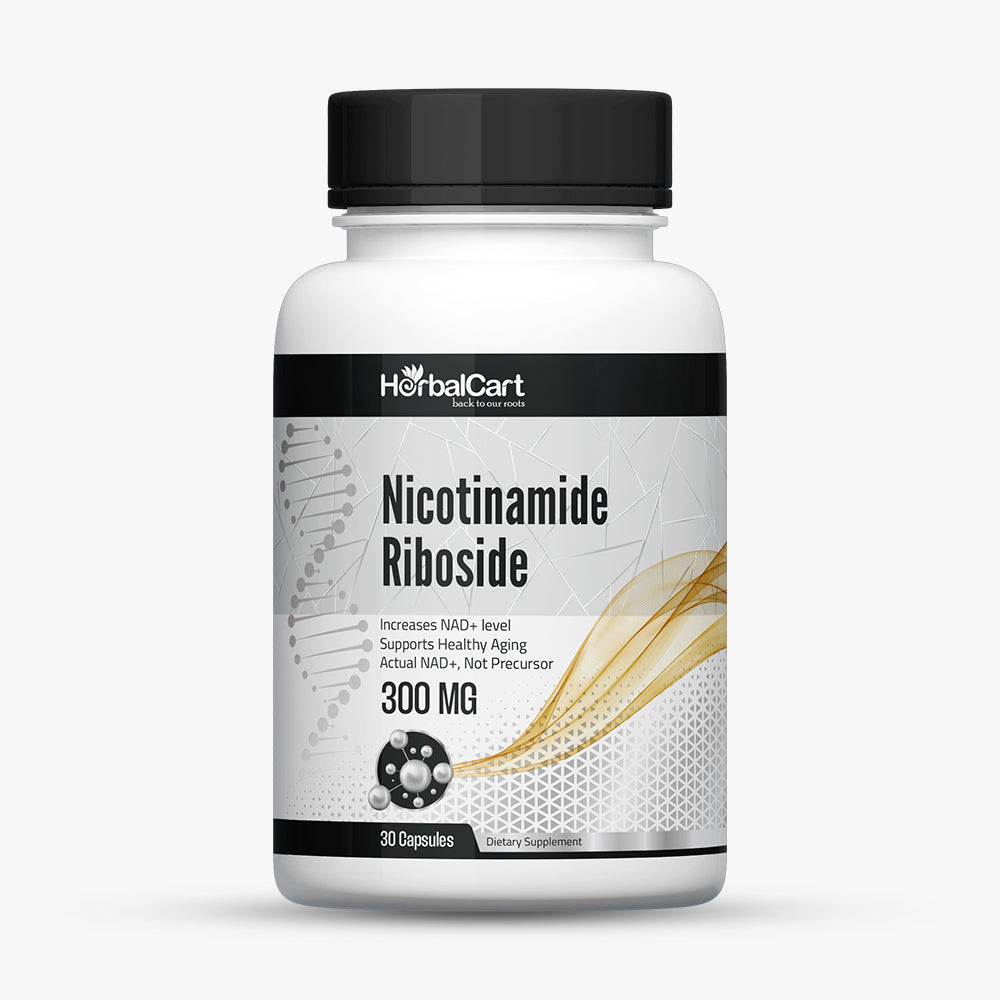
Nicotinamide Riboside (NR): Benefits, Dosage, and Safety
Nicotinamide riboside is another well-studied NAD precursor, chemically distinct from NMN but converging on the same end result — raising NAD levels in the body. For a full breakdown, see our guide on nicotinamide riboside explained: benefits, dosage, and safety.
Reported Benefits:
- Support for healthy aging and cellular repair
- Potential support for muscle function and endurance
- Cognitive and mood support in some studies
- Cardiovascular health support
Dosage Considerations: Most clinical studies on nicotinamide riboside have used doses ranging from 250mg to 1,000mg per day, though the appropriate dose can depend on age, health status, and individual goals. It's always best to start at the lower end of a recommended range and adjust gradually.
Safety Profile: Nicotinamide riboside is generally well tolerated in healthy adults, with mild digestive discomfort being the most commonly reported side effect. As with any supplement, people who are pregnant, nursing, or managing a chronic condition should consult a healthcare provider before use.
The Anti-Aging Benefits of NAD
Much of the excitement around NAD comes from its connection to the aging process itself — a topic we explore fully in what NAD is and its anti-aging benefits. Because NAD activates sirtuins — proteins associated with cellular longevity — and fuels the DNA-repair enzymes that keep cells functioning correctly, restoring NAD levels is considered one of the more promising approaches in the broader anti-aging supplement category.
Commonly cited anti-aging benefits of maintaining healthy NAD levels include:
- Supporting mitochondrial efficiency, which tends to decline with age
- Assisting the body's natural DNA repair mechanisms
- Supporting metabolic flexibility and healthy blood sugar response
- Potentially supporting skin elasticity and appearance through improved cellular turnover
It's worth noting that while animal studies on NAD restoration have shown striking results, human research is still catching up. The existing human trials are encouraging but the field is young, so it's wise to view NAD supplementation as one tool in a broader healthy-aging strategy rather than a stand-alone miracle solution.
Glutathione's Role in Long-Term Health
Where NAD shines in energy and repair, glutathione earns its reputation in protection and resilience. People often turn to glutathione support for:
- Liver health: Since the liver is the primary site of detoxification, and glutathione is central to phase II liver detox pathways.
- Reducing oxidative stress: Particularly relevant for people with high exposure to pollution, smoking, or physically demanding lifestyles.
- Immune resilience: Glutathione helps regulate immune cell function, which is why it's often discussed alongside general wellness and recovery support.
- Skin brightening: A widely discussed cosmetic use, especially in oral and topical forms.
How to Choose Between NAD and Glutathione Based on Your Goals
Rather than viewing this as an either-or decision, think about what your body actually needs right now.
Consider NAD (or a precursor like NMN or nicotinamide riboside) if:
- You experience persistent fatigue or low energy
- You're focused on healthy aging and cellular longevity
- You want to support metabolic health and mitochondrial function
- You're interested in DNA repair and long-term cellular resilience
Consider Glutathione (or a precursor like NAC) if:
- You're regularly exposed to environmental toxins or pollutants
- You want additional antioxidant and immune support
- You're focused on liver health or supporting your body's natural detox pathways
- You're interested in skin health and reducing oxidative damage
Consider Both if: Many people — particularly those focused on comprehensive healthy aging — choose to combine both approaches, since energy production and cellular protection genuinely complement each other. A cell that's well-defended against oxidative stress can put the energy generated by healthy NAD levels to better use.
Safety, Dosage, and When to Talk to a Doctor
Because this is a YMYL (health-related) topic, it deserves a direct and honest note: supplements are not one-size-fits-all, and what works well for one person may not suit another.
- Always start with the lowest effective dose and monitor how your body responds.
- If you are pregnant, nursing, managing a chronic illness, or taking prescription medication, consult your doctor before starting NAD, NMN, nicotinamide riboside, glutathione, or NAC.
- Quality matters enormously in this category — look for third-party tested products with transparent sourcing and dosing information.
- Supplements should complement, not replace, a foundation of good sleep, balanced nutrition, regular movement, and stress management.
Choosing a Quality Supplement: What to Look For
With so many products on the market claiming to boost NAD or glutathione levels, quality and transparency make all the difference. When evaluating a supplement, look for:
- Clearly labeled ingredient sourcing and dosage
- Third-party testing or certificates of analysis
- Absence of unnecessary fillers or artificial additives
- A brand that's transparent about the science behind its formulation, rather than relying purely on marketing claims
If you're still unsure which option — or combination — fits your specific health goals, that's completely normal. Everybody's body, lifestyle, and health history are different, and general information can only take you so far. If you'd like personalized guidance on choosing between NAD, NMN, nicotinamide riboside, glutathione, or NAC based on your own goals, feel free to contact us — our team is happy to walk you through the options and help you find what genuinely fits your routine, rather than guessing based on trends alone.
Conclusion
NAD and glutathione aren't competitors — they're two different pillars of cellular health, each addressing a different side of the aging and wellness equation. NAD, along with its precursors NMN and nicotinamide riboside, focuses on fueling your cells and repairing DNA damage, making it a strong choice for anyone dealing with fatigue or looking to support healthy aging. Glutathione, along with precursors like NAC, focuses on protecting those same cells from oxidative stress and supporting your body's natural detox systems.
The right choice ultimately depends on your specific health goals, lifestyle, and current challenges — and for many people, a thoughtful combination of both offers the most complete support. As with any health decision, start with realistic expectations, prioritize quality and safety, and don't hesitate to seek professional guidance along the way.
If you have questions about which option is right for you, our team is always here to help — feel free to contact us anytime for personalized support on your health journey.