


If you've searched "NMN before and after," "NMN results," or "NMN before and after pictures," you've probably scrolled through a lot of dramatic claims — smoother skin, boundless energy, a decade shaved off someone's face in 90 days. Before you decide whether NMN (nicotinamide mononucleotide) belongs in your routine, it's worth separating what's genuinely supported by research from what's marketing gloss.
This guide walks through what NMN actually does in the body, what a realistic "before and after" timeline looks like, why "NMN skin before and after" photos should be viewed with a healthy dose of skepticism, and how to get the most out of a supplement if you decide to try one. This is a health and wellness topic, so treat it as educational information — not medical advice — and talk to your doctor before starting any new supplement, especially if you take medication or have an existing health condition.
What NMN Actually Is (and Why People Take It)
NMN is a precursor to NAD+ (nicotinamide adenine dinucleotide), a coenzyme found in every cell in your body. NAD+ is essential for converting food into cellular energy, supporting DNA repair, and activating sirtuins — proteins linked to cellular aging processes. If you want the deeper biochemistry, HerbalCart has a thorough breakdown of what NAD+ is and its anti-aging benefits, as well as a more technical look at NAD's role, benefits, and functions in the body.
The problem: NAD+ levels decline naturally as we age — research suggests they can drop by roughly half between young adulthood and midlife. Lower NAD+ has been associated (in preclinical and some human studies) with reduced energy production, slower DNA repair, and various markers of cellular aging. The theory behind NMN supplementation is simple: since NAD+ itself is too large to be absorbed efficiently by cells, taking its precursor NMN may help restore NAD+ levels, essentially giving your cells more raw material to work with.
It's important to be upfront here, because this is a topic that affects real health decisions: most of the striking results (extended lifespan, reversed muscle decline, improved insulin sensitivity) come from animal studies, particularly in mice. Human research on NMN is growing but still relatively limited — trials tend to be small, short-term (often 8–12 weeks), and focused on measurable biomarkers like blood NAD+ levels, insulin sensitivity, or exercise performance rather than visible "before and after" transformations.
What Does "NMN Before and After" Actually Mean?
When people search for NMN before and after pictures, they're usually hoping to see visible proof — clearer skin, a leaner physique, a more youthful glow. It's worth setting expectations correctly:
There is currently no robust clinical evidence that NMN produces dramatic, photographable changes to skin or appearance in a matter of weeks. What existing human trials do suggest is more subtle and systemic: improvements in NAD+ blood levels, some markers of muscle and insulin function in specific populations (like postmenopausal women with prediabetes in one notable Washington University study), and modest gains in physical performance measures like walking speed in older or moderately trained adults.
That doesn't mean people don't notice anything — but what they report tends to be functional rather than cosmetic:
- More stable energy throughout the day, especially in the afternoon
- Better exercise recovery or stamina
- Improved sleep quality for some users
- A general sense of "feeling less foggy"
Any skin-related changes people report are typically attributed to better sleep, improved hydration habits adopted alongside supplementation, or the general benefits of reduced oxidative stress over a longer period — not an overnight transformation. If a product's marketing shows a dramatic 2-week "NMN skin before and after" glow-up, that timeline isn't consistent with how NAD+ biology works, and such before/after images should be treated as anecdotal at best.
A Realistic NMN Results Timeline
Since individual response varies based on age, baseline NAD+ levels, diet, dose, and consistency, think of this as a general pattern rather than a guarantee:
Weeks 1–2: Most people report no dramatic changes yet. Some notice a subtle lift in energy or mental clarity, particularly if their baseline NAD+ was significantly depleted.
Weeks 3–6: This is typically when more people start to notice consistent energy improvements, steadier moods, and sometimes better workout recovery. Sleep quality is one of the more commonly discussed changes — HerbalCart has a dedicated guide on the NMN and sleep connection that's worth reading if this is a priority for you.
Weeks 8–12: Most of the short-duration human clinical trials on NMN run in this window, and this is where measurable biomarker changes (like blood NAD+ levels or insulin sensitivity in some studies) have shown up. This is a more realistic point to reassess whether you're noticing benefits, rather than expecting results in the first week.
Beyond 12 weeks: Longer-term human data is still limited, so claims about outcomes beyond three months should be treated cautiously. If you're taking NMN as part of a longevity-focused routine, this is where consistency, diet, and lifestyle factors matter more than the supplement alone.
Timing your dose can also matter. If you're wondering when in the day to take it for the best effect, this guide on the best time to take an NMN supplement breaks down the reasoning behind morning versus other dosing windows.
NMN Skin Before and After: Separating Signal from Noise
Skin is one of the most searched "before and after" categories, and it's also one of the hardest to evaluate honestly, because:
- Skin appearance is affected by dozens of variables (sleep, hydration, sun exposure, stress, skincare routine, diet) that are nearly impossible to isolate in a single before/after comparison.
- Lighting, angle, and even mild dehydration on the "before" photo can exaggerate perceived improvement.
- Most published NMN research doesn't use skin appearance as a primary outcome measure — it's not something that's been rigorously tracked in controlled human trials the way blood biomarkers have.
If skin health is your main goal, diet plays a much larger and better-documented role than any single supplement. HerbalCart's guide to the worst foods for anti-aging covers common dietary culprits — like excess sugar and highly processed foods — that are more strongly linked to visible skin aging (through a process called glycation) than NAD+ decline alone. Pairing that with a guide to the top foods for an anti-aging diet gives a more complete, evidence-based picture of what actually supports skin resilience over time.
Energy and Physical Performance: Where NMN Shows More Promise
Compared to skin appearance, energy and exercise-related outcomes have somewhat more human research behind them, even if the evidence base is still developing. Some small trials in middle-aged and older adults have looked at walking speed, muscle function, and endurance-related measures after NMN supplementation, with a few showing modest improvements over placebo.
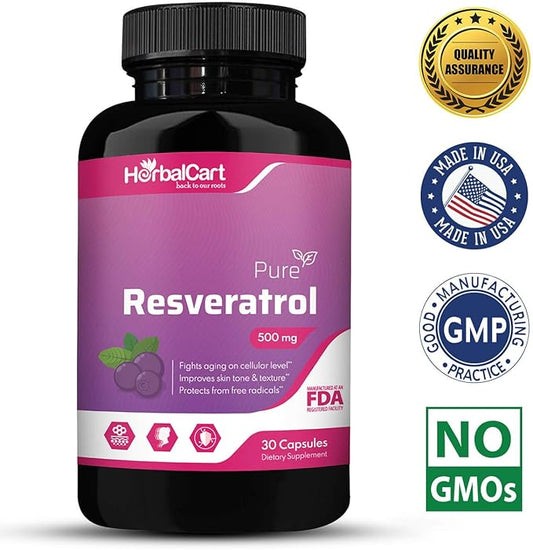
Many longevity-focused users pair NMN with resveratrol, a polyphenol that's thought to work synergistically by activating some of the same sirtuin pathways that NAD+ fuels. If you're curious whether that combination is worth considering, this breakdown of NMN and resveratrol for peak performance explains the proposed mechanism and what the current research does and doesn't support.
What Actually Influences Your NMN Results
Before assuming a supplement "didn't work," it's worth looking at the variables that influence outcomes:
Diet and natural NMN intake. NMN occurs naturally in small amounts in foods like broccoli, cabbage, edamame, and avocado, though at levels far lower than typical supplement doses. Understanding your baseline dietary intake — covered in this guide to natural food sources of NMN — can help you understand why supplementation is often used to reach levels that would be difficult to get from diet alone.
Form: powder vs. capsules. Absorption and convenience differ between formats, and this can genuinely affect the results you notice. The comparison of NMN powder vs. capsules is a useful read if you're deciding which format fits your routine and whether sublingual (under-the-tongue) powder absorption claims hold up.
Dosing consistency and timing. Sporadic use makes it much harder to notice or measure any change. Reviewing the best time to take NMN guide can help you build a consistent habit rather than an on-and-off routine.
Overall lifestyle. Sleep, exercise, stress management, and alcohol intake all influence NAD+ levels independently of supplementation. A broader look at human longevity tips puts NMN in context as one tool among several, not a standalone fix.
How NMN Compares to Other Longevity Compounds
NMN isn't the only NAD+ precursor on the market, and it's not the only compound associated with the "anti-aging supplement" category. A few common comparisons worth understanding:
- NMN vs. Nicotinamide Riboside (NR): Both are NAD+ precursors, but they take slightly different metabolic paths to become NAD+. This guide on nicotinamide riboside — benefits, dosage, and safety explains where NR overlaps with and differs from NMN.
- NAD+ vs. NAC: These two are often confused because of the similar acronyms, but they work through entirely different mechanisms — NAC (N-acetylcysteine) is primarily an antioxidant precursor to glutathione, not an NAD+ booster. The distinction is explained clearly in NAD vs. NAC: what actually makes them different.
- NMN within a broader supplement stack: If you're evaluating where NMN fits among other options like resveratrol, CoQ10, or collagen, this roundup of best anti-aging supplements offers a comparative overview.
Choosing a Quality NMN Supplement
Because NMN is not FDA-regulated as a drug, product quality varies significantly between brands. If you decide to try it, look for:
- Third-party lab testing for purity and potency
- Clear labeling of NMN content per serving (not proprietary blends that obscure the actual dose)
- Manufacturing in a GMP-certified facility
- Transparent sourcing information
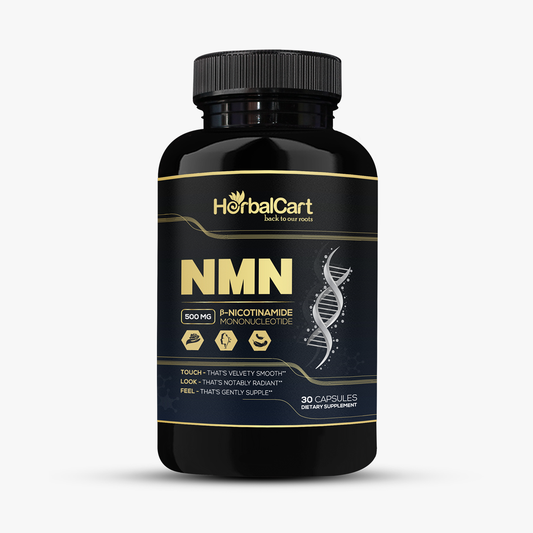
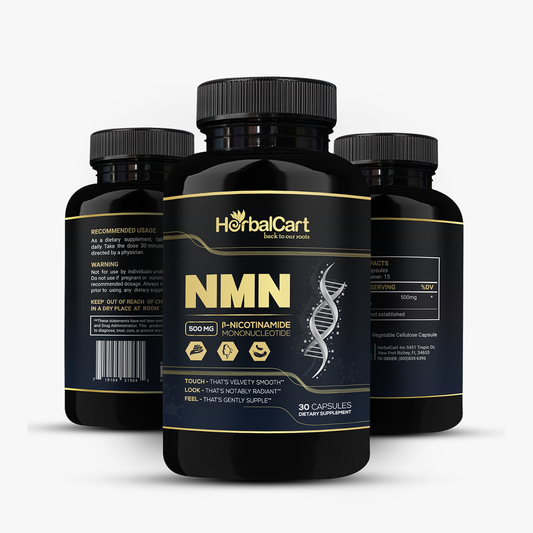
If you want to see what a properly dosed, tested option looks like, HerbalCart's NMN supplement page lists its formulation details and third-party testing information, which is worth comparing against any product you're considering.
Safety Considerations
NMN is generally considered well-tolerated in the human trials conducted so far, with mild digestive upset being the most commonly reported side effect at higher doses. However:
- Long-term safety data (multi-year use) in humans is still limited.
- NMN may interact with certain medications or conditions, and research in pregnant or breastfeeding women is essentially nonexistent, so it's not recommended in those cases.
- People with existing health conditions, especially anyone managing blood sugar, cardiovascular issues, or taking prescription medication, should talk to a doctor before starting.
This is a YMYL (health-impacting) decision, not a cosmetic one — treat the choice to supplement with the same care you'd give any other addition to your health routine.
The Bottom Line
NMN is a genuinely interesting compound with a solid, biologically plausible mechanism — restoring NAD+ levels that decline with age — and a growing, though still early-stage, body of human research. What it is not, at least based on current evidence, is a fast-acting cosmetic fix that produces dramatic before-and-after photos in a few weeks. The more honest picture is subtler: potential improvements in energy, exercise recovery, and select metabolic markers over 8–12+ weeks of consistent use, layered on top of a solid foundation of diet, sleep, and exercise.
If you're considering NMN as part of a longevity-focused routine, pair it with the fundamentals — a diet built around anti-aging-supportive foods, avoidance of the foods that accelerate aging processes, consistent dosing timed appropriately, and realistic expectations. And as with any supplement decision that affects your health, run it by your doctor first, particularly if you take medication or manage a chronic condition.
This article is for informational purposes only and is not intended as medical advice. Consult a qualified healthcare provider before starting any new supplement.