


If you've spent any time researching NAD+ boosters or anti-aging supplements, you've likely noticed that NMN is rarely mentioned alone anymore. Increasingly, it's paired with resveratrol — a combination often marketed under names like peak performance NMN + resveratrol. This pairing has become one of the most talked-about stacks in the longevity and cellular health community, and for good reason: the two compounds are believed to work through complementary pathways in the body.
But what does "peak performance" really mean in this context? Is combining NMN and resveratrol actually more effective than taking either one alone? And how do you use this stack safely and correctly? This guide answers all of that — in plain, easy-to-understand language, backed by what current science actually shows (and doesn't yet show).
This article is written for general educational purposes only. It is not medical advice, and it does not claim that any supplement can diagnose, treat, cure, or prevent disease. Always consult a licensed healthcare provider before starting any new supplement routine, especially if you have an existing health condition, are pregnant or nursing, or take prescription medication.
What Is NMN?
NMN, or Nicotinamide Mononucleotide, is a naturally occurring molecule found in small quantities in foods such as broccoli, cabbage, cucumber, avocado, and edamame. It's also produced inside the human body. Chemically, NMN is a direct precursor to NAD+ (Nicotinamide Adenine Dinucleotide) — a coenzyme required by virtually every cell for energy production, DNA repair, and metabolic regulation.
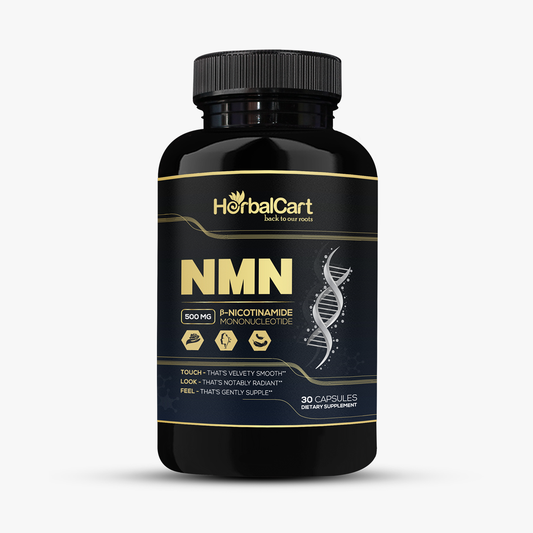
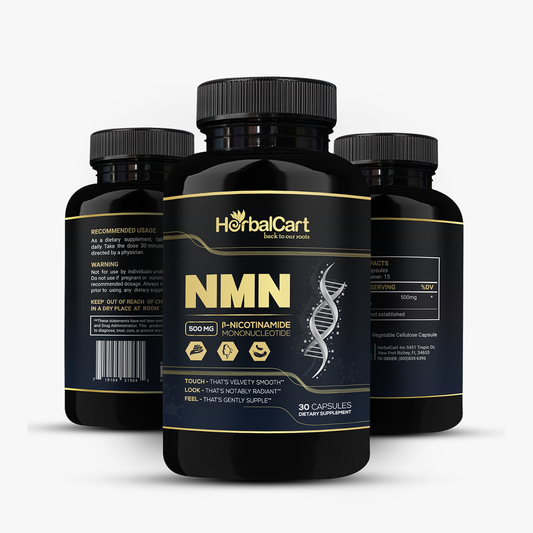
As we age, NAD+ levels in the body tend to decline steadily. This decline has been studied in connection with reduced cellular energy, slower metabolic function, and various markers associated with aging. Because of this, NMN supplementation has become a widely discussed NAD+ booster, and products like the NMN supplement available through HerbalCart are formulated specifically to provide the body with this NAD+ precursor in a convenient daily dose.
It's worth understanding upfront that "NMN" by itself is just one piece of a larger puzzle. NAD+ metabolism involves multiple interconnected pathways, and NMN's role is to help replenish the raw material your cells use to keep those pathways running. This is precisely why many longevity-focused brands don't stop at NMN alone — they pair it with resveratrol to create a more complete formula, often labeled as peak performance NMN.
What Is Resveratrol?
Resveratrol is a natural plant compound found in the skin of red grapes, blueberries, peanuts, and famously, red wine. It belongs to a class of compounds called polyphenols, which are known for their antioxidant properties. Resveratrol first gained mainstream attention in the early 2000s when researchers began studying its potential connection to sirtuins — a family of proteins involved in regulating cellular health, stress resistance, and aging-related processes.
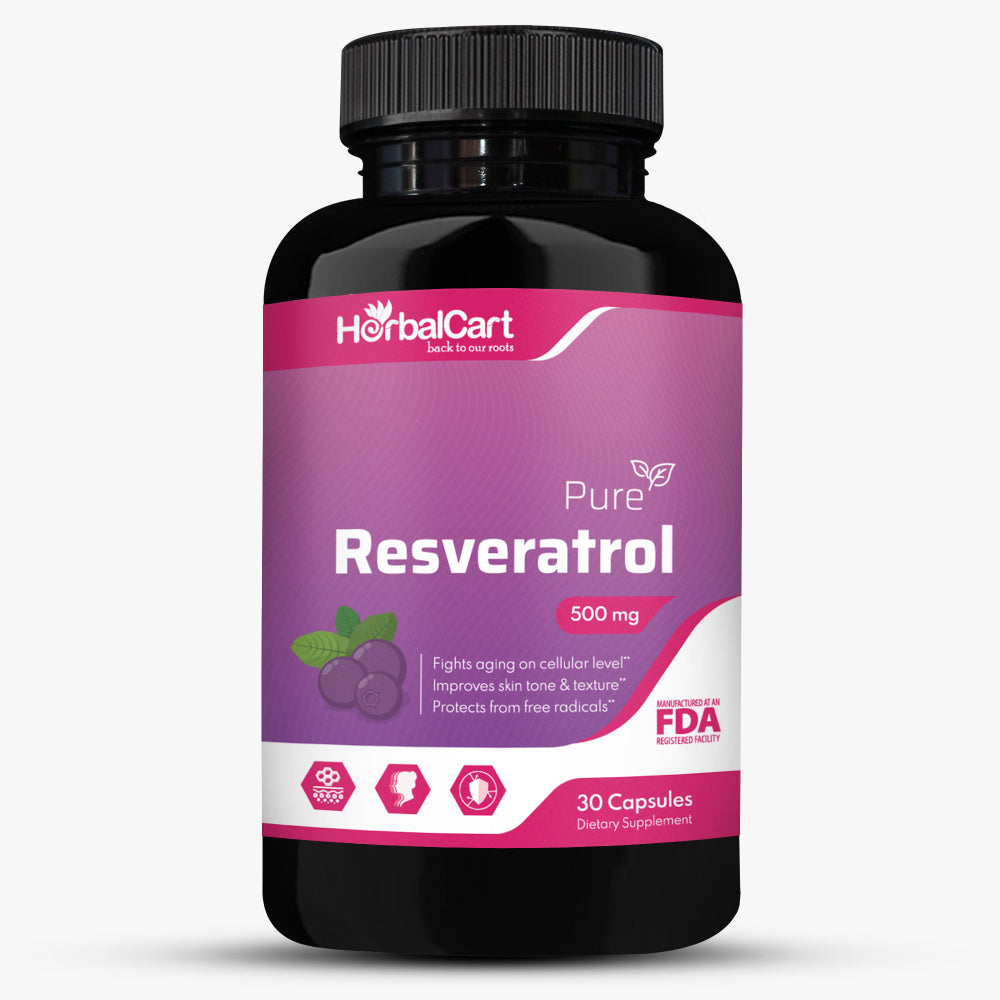
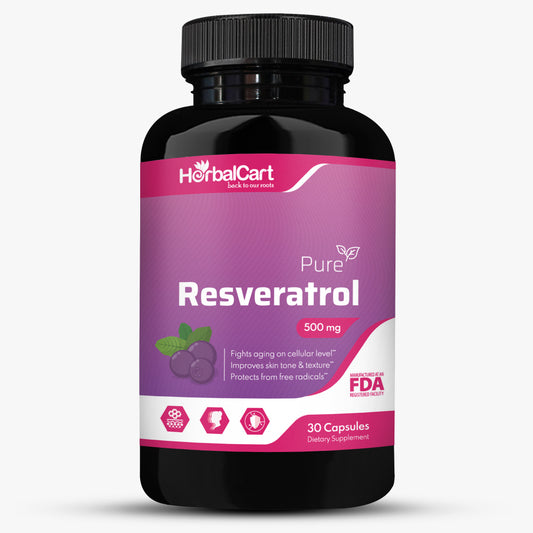
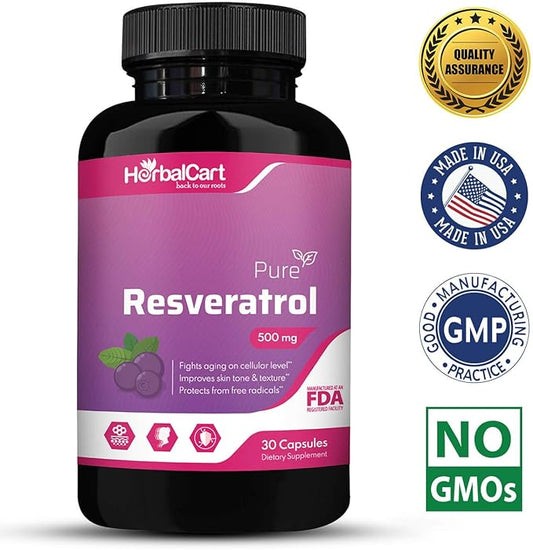
Unlike NMN, resveratrol doesn't directly raise NAD+ levels. Instead, it's believed to activate sirtuins, particularly SIRT1, which are proteins that depend on NAD+ to function. This is where the idea of pairing the two compounds originates: NMN is thought to supply the "fuel" (NAD+), while resveratrol may help "switch on" the machinery (sirtuins) that uses that fuel. Products like the resveratrol supplement from HerbalCart are typically formulated as a standalone antioxidant support option, but are increasingly stacked alongside NMN for this reason.
Resveratrol is also studied for its antioxidant activity more broadly — meaning its potential to help neutralize free radicals, unstable molecules that can contribute to oxidative stress and cellular damage over time. This dual role (potential sirtuin activation plus antioxidant support) is a major reason resveratrol has remained a popular ingredient in the anti-aging supplement category for over two decades.
Why Pair NMN and Resveratrol Together?
This is the central question behind the entire peak performance NMN + resveratrol trend, so let's break it down clearly.
The Theory Behind the Combination
The hypothesis, first popularized by longevity researchers, goes something like this:
- Sirtuins (like SIRT1) are proteins that play a role in regulating metabolism, inflammation response, and cellular repair.
- Sirtuins require NAD+ as a "co-substrate" to function — without enough NAD+, sirtuins can't do their job efficiently, no matter how "activated" they are.
- Resveratrol is studied for its potential to activate or support sirtuin activity.
- NMN is studied for its potential to raise the NAD+ levels that sirtuins need to actually function.
Put simply: some researchers have proposed that resveratrol without adequate NAD+ may be like a key without a working lock, and NAD+ without sirtuin activation may be like fuel with no ignition. Combining NMN and resveratrol is theorized to address both sides of that equation simultaneously — which is the foundational logic behind every peak performance NMN resveratrol formula on the market today.
It's important to state clearly: this synergy theory is still an active area of scientific research, primarily studied in cell and animal models, with human research ongoing and still developing. No supplement combination, including NMN peak performance stacks, is proven to reverse aging or guarantee specific outcomes in humans. The appeal of this combination is based on a biologically plausible mechanism, not confirmed clinical results.
Why "Peak Performance" Branding Is Used
The term "peak performance" in peak performance NMN + resveratrol products generally refers to the idea of supporting the body's cellular systems so they can function as efficiently as possible — not a specific, guaranteed physical outcome. Many users associate this stack with daily energy, exercise recovery, and general vitality, though individual experiences vary widely and are influenced by diet, sleep, stress, and overall health.
The Science: NAD+, Sirtuins, and Cellular Energy
To really understand why the peak performance NMN resveratrol combination has captured so much attention, it helps to walk through the underlying biology step by step.
What NAD+ Actually Does
NAD+ is one of the most important coenzymes in the human body. It's involved in:
- Mitochondrial energy production: NAD+ is essential for the electron transport chain, the process mitochondria use to generate ATP (the cell's primary energy currency). This is the basis for NAD+'s connection to cellular energy support.
- DNA repair: Enzymes called PARPs use NAD+ to help repair damaged DNA strands.
- Sirtuin activity: As mentioned, sirtuins depend on NAD+ as a required co-substrate.
- Cellular signaling: NAD+ is involved in numerous metabolic signaling pathways that influence how cells respond to stress and energy demands.
For a deeper explanation of this coenzyme's broader role, our detailed guide on what NAD+ is and its role, benefits, and functions walks through the biology in more depth.
Mitochondria: The Cellular Engines Behind "Peak Performance"
It's worth spending a moment on mitochondria specifically, since so much of the "peak performance" language associated with this stack traces back to mitochondrial function. Mitochondria are often described as the "powerhouses" of the cell because they convert nutrients into usable energy in the form of ATP. This conversion process — called cellular respiration — depends heavily on NAD+ as an electron carrier.
As NAD+ levels decline with age, some researchers theorize that mitochondrial efficiency may decline alongside it, which is one possible explanation for why energy levels and exercise capacity often change as people get older. This is the biological thread connecting NAD+ precursors like NMN to the broader concept of cellular energy support — and it's the reason mitochondrial health is such a central theme in longevity research more broadly, not just in supplement marketing.
Why NAD+ Declines With Age
Multiple studies have observed that NAD+ levels decrease progressively over the human lifespan. Several theories attempt to explain why:
- Increased activity of NAD+-consuming enzymes (like CD38) as we age
- Reduced efficiency of the body's natural NAD+ recycling pathways
- Accumulated cellular stress and DNA damage, which increases demand on NAD+-dependent repair systems
This decline is one of the central reasons NMN has become such a popular NAD+ booster — the idea is to help replenish what the body naturally loses over time, rather than to introduce something foreign to normal physiology.
Where Sirtuins Fit In
Sirtuins are sometimes referred to as "longevity genes" because of early research linking their activity to lifespan extension in yeast, worms, and mice. In humans, sirtuins are studied for their potential involvement in:
- Metabolic regulation
- Inflammatory response
- Mitochondrial function
- Cellular stress resistance
Because sirtuins require NAD+ to function, and resveratrol is studied for its potential to support sirtuin activity, the two compounds are frequently discussed together. This is the scientific backbone of the peak performance NMN + resveratrol formula — even though, again, human clinical evidence for the combined effect is still developing.
For a comprehensive look specifically at NAD+'s connection to aging processes, see our guide on what NAD+ is and its anti-aging benefits.
NAD+ vs NAC — Clearing Up a Common Confusion
One point of confusion that comes up often in the NMN and resveratrol conversation is the difference between NAD+ and NAC (N-Acetylcysteine). These two are frequently mixed up simply because their acronyms look similar, but they are entirely different compounds with different roles in the body.
NAD+ is the coenzyme discussed throughout this article — central to energy metabolism and cellular repair. NAC, on the other hand, is an amino acid derivative primarily known for supporting the body's natural antioxidant glutathione production and for its use in respiratory and liver-support contexts.
If you've seen both terms used interchangeably somewhere online, it's worth clarifying the distinction before you buy anything. Our detailed breakdown on NAD vs NAC and what actually makes them different explains exactly how these two compounds differ in function, so you don't accidentally purchase the wrong supplement thinking it serves the same purpose as your peak performance NMN routine.
6. NMN vs Nicotinamide Riboside (NR)
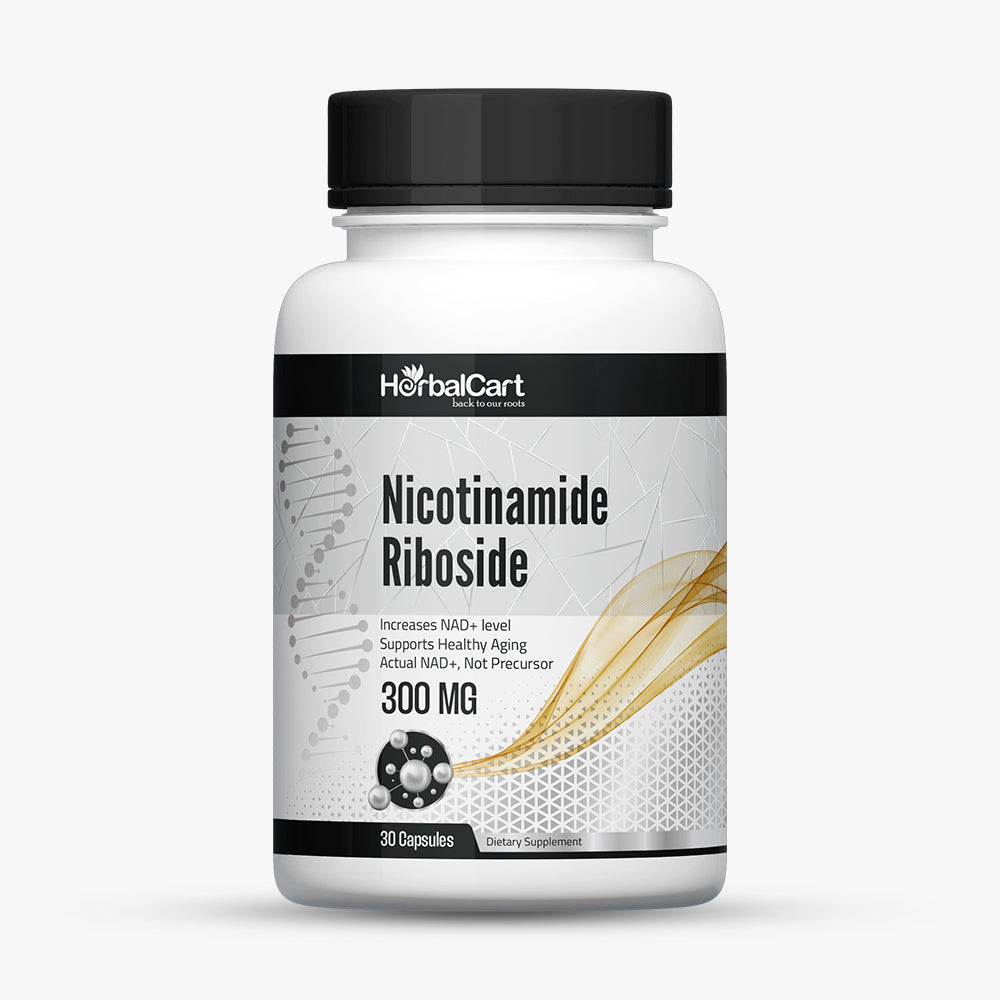
Another common point of comparison in the NAD+ supplement space is NMN versus Nicotinamide Riboside (NR). Both are precursors that the body can potentially convert into NAD+, but they take slightly different metabolic pathways to get there.
- NMN is one step closer to NAD+ in the conversion pathway, which some researchers believe may make it a more direct precursor.
- NR has been on the market slightly longer and has its own body of research, particularly around cardiovascular and metabolic health markers.
Both are commonly categorized as NAD+ boosters, and there is ongoing scientific debate about which precursor may be more efficiently converted in humans. If you're trying to decide between the two, or want to understand where NR fits into the broader landscape of NAD+ precursors, our guide on Nicotinamide Riboside explained — benefits, dosage, and safety covers this comparison in depth.
For the purposes of this guide, we're focusing on NMN specifically because it's the precursor most commonly paired with resveratrol in peak performance NMN + resveratrol formulations — but it's useful context to have as you navigate the wider supplement category.
Peak Performance Benefits: What People Report
While it's important to avoid making specific medical claims, it's worth discussing what users of NMN peak performance stacks commonly report anecdotally, alongside what the underlying research is actually studying. These are general observations and self-reported experiences, not guaranteed outcomes.
Daily Energy and Vitality
Because NAD+ is directly tied to mitochondrial energy production, many people who try NMN — especially in combination with resveratrol — report a subjective sense of improved daily energy. This aligns with the biological role NAD+ plays in cellular energy support, though individual results can vary significantly based on baseline health, diet, sleep quality, and activity level.
Exercise Recovery
Some users associate this stack with feeling like they recover more quickly between workouts. This may be loosely connected to NAD+'s role in mitochondrial function and cellular repair processes, both of which are relevant to how muscles recover after physical exertion. However, robust clinical research specifically confirming improved exercise recovery in humans from NMN + resveratrol supplementation is still limited.
Cognitive Clarity
Because brain cells are highly energy-demanding, some individuals report a sense of improved mental clarity or focus while using NAD+-supporting supplements. Again, this is based on biological plausibility and self-reported experience rather than confirmed clinical outcomes.
Skin and Appearance-Related Support
Resveratrol's antioxidant properties have also made it popular in skin-health contexts, both as an oral supplement and as a topical ingredient. If this is a specific area of interest for you, our dedicated guide on resveratrol for skin — benefits and uses explores this angle in more detail, separate from the NAD+/sirtuin conversation.
The Honest Caveat
It's important to reiterate: none of these reported benefits should be interpreted as guaranteed or clinically proven outcomes for any individual. The peak performance NMN + resveratrol combination is based on a compelling biological hypothesis and encouraging preliminary research, but human evidence — particularly for the combined effect of both compounds together — is still developing. Anyone considering this stack should approach it with realistic expectations and view it as one part of a broader, balanced approach to health.
Why Individual Results Vary So Much
One of the most consistent themes across NAD+ research is just how much individual variability exists in reported outcomes. Genetics, baseline NAD+ status, gut absorption efficiency, existing health conditions, and even the quality and dosage of the specific product used can all influence how someone responds to a peak performance NMN stack. This is part of why large-scale, well-controlled human trials are so important — and why anecdotal reports, while interesting, shouldn't be treated as proof of effect for any one person's biology. If you decide to try this stack, paying attention to your own body's response over several weeks — rather than expecting an immediate, dramatic shift — is a more realistic and useful approach.
How to Take Peak Performance NMN + Resveratrol
Since NMN and resveratrol are believed to work through complementary but distinct pathways, timing and method of intake are frequently discussed topics within the longevity community.
General Timing Considerations
Many users take their peak performance NMN + resveratrol stack in the morning, often on an empty stomach, based on the idea that NAD+-related metabolic activity may align with the body's natural circadian rhythm. Resveratrol, being fat-soluble, is sometimes taken alongside a small amount of healthy fat (such as with breakfast) to potentially support absorption, though individual practices vary.
For a more detailed breakdown of timing strategies specifically for NMN, our guide on the best time to take an NMN supplement is a useful companion resource, covering morning versus evening intake, sublingual versus capsule methods, and how consistency affects your overall routine.
Should You Take Them Together or Separately?
Most peak performance NMN + resveratrol products are formulated to be taken together, either combined in a single capsule/powder blend or as two separate products taken at the same time of day. Taking them together is generally considered convenient and aligns with the synergy theory discussed earlier — the idea being that having both NAD+ precursor and sirtuin support available simultaneously may be more consistent with how the two are believed to interact.
Method: Powder vs Capsule
Just like standalone NMN, this stack is available in powder and capsule form, and the same general trade-offs apply:
- Powder: More dosage flexibility, potentially faster sublingual absorption, but requires measuring and has a less neutral taste.
- Capsules: Pre-measured, convenient, tasteless, and easier to incorporate into a daily routine — often preferred by beginners trying a peak performance NMN stack for the first time.
Dosage Considerations
There is currently no universally standardized dosage for NMN or resveratrol, and this is even more true for the combined stack, since human clinical data on the specific ratio and combined dosing of NMN + resveratrol together is still limited.
That said, here are general principles commonly discussed in the supplement community:
- Start low: Many first-time users begin with a lower dose of each compound to assess personal tolerance before considering any increase.
- Follow product labeling: Reputable peak performance NMN + resveratrol products will list clear dosing guidance based on their specific formulation — always defer to the manufacturer's instructions rather than generic online figures.
- Consistency over high dosing: Many longevity-focused practitioners emphasize that consistent daily use at a moderate dose is likely more meaningful than sporadic use at a high dose.
- Personalize based on goals and tolerance: Some users adjust their intake over time based on how they feel, though this should always be done gradually and, ideally, with input from a healthcare provider.
Because individual factors like body weight, metabolism, existing health conditions, and medication use can all influence how a person responds to supplementation, it's strongly recommended to consult a healthcare professional before determining an appropriate dose for your specific situation — particularly for a combined stack like NMN peak performance formulas that include multiple active compounds.
Should You Add Other Supplements to This Stack?
Some people who use a peak performance NMN resveratrol formula also ask about layering in additional supplements — things like vitamin D, omega-3s, or magnesium, which are commonly discussed in general wellness contexts. There's nothing inherently wrong with a broader supplement routine, but it's worth introducing new products one at a time rather than all at once. This makes it much easier to identify which supplement, if any, is responsible for a particular effect (positive or negative), and it reduces the risk of unexpected interactions. As always, a pharmacist or doctor is the best resource for reviewing your full supplement and medication list together.
Safety, Side Effects, and Who Should Be Cautious
Both NMN and resveratrol are generally regarded as well-tolerated by most healthy adults when used as directed, based on the research and safety data currently available. However, "generally well-tolerated" doesn't mean risk-free for everyone, and it's important to approach any new supplement thoughtfully.
Commonly Reported Mild Effects
Some individuals report mild digestive discomfort, nausea, or headache when starting NMN, resveratrol, or the combination — particularly at higher doses or when the stomach is empty. These effects are typically described as temporary and often resolve as the body adjusts or the dose is modified.
Who Should Be Extra Cautious
- Individuals on blood-thinning medication: Resveratrol has mild blood-thinning properties reported in some studies, so anyone on anticoagulant or antiplatelet medication should speak with a doctor before use.
- Pregnant or nursing individuals: There isn't sufficient safety data on NMN or resveratrol supplementation during pregnancy or breastfeeding, so these groups should avoid use unless specifically advised otherwise by a physician.
- People with hormone-sensitive conditions: Resveratrol has weak phytoestrogen-like properties in some research contexts, so individuals with hormone-sensitive conditions should discuss this with their healthcare provider first.
- Anyone on multiple medications: Because both compounds can interact with metabolic pathways in the liver, anyone taking prescription medications — especially those metabolized by the liver — should check with a pharmacist or doctor before combining supplements like a peak performance NMN + resveratrol stack with their existing regimen.
The Bottom Line on Safety
This article is not a substitute for personalized medical advice. Because NMN and resveratrol research in humans — especially in combination — is still an evolving field, it's essential to treat any peak performance NMN resveratrol product as a supplement to discuss with your doctor, not a decision to make in isolation based on marketing claims or online forums.
Resveratrol's Additional Benefits (Including Skin Health)
While resveratrol's role in the NMN pairing centers on its potential sirtuin-supporting properties, it's worth noting that resveratrol has been studied independently for a range of other applications, largely tied to its antioxidant characteristics.
Antioxidant Support
Resveratrol is one of the more well-studied polyphenols for its potential to help the body manage oxidative stress — an imbalance between free radicals and the body's natural defense systems. This is a big part of why it's remained popular in the broader anti-aging supplement market, independent of its pairing with NMN.
Skin Health Applications
Resveratrol is increasingly used in both oral supplement form and topical skincare formulations, based on its studied antioxidant properties and potential relevance to skin aging processes. If skin health is a specific area of interest for you — separate from the cellular energy angle discussed in this guide — our dedicated article on resveratrol for skin: benefits and uses covers this topic thoroughly, including how it's used topically versus orally.
Cardiovascular Interest
Resveratrol first became famous due to the "French Paradox" — the observation that certain populations with diets high in saturated fat but moderate red wine consumption had comparatively lower rates of cardiovascular issues. While this popularized resveratrol research significantly, it's important to note that the science around this specific connection remains complex and is not a reason to consume alcohol for health purposes. Resveratrol supplements are studied specifically to isolate the compound's potential benefits without the drawbacks associated with alcohol consumption.
How to Choose a Quality NMN + Resveratrol Product
With so many peak performance NMN + resveratrol products on the market, quality and transparency vary significantly between brands. Here's what to look for:
Third-Party Testing
Reputable brands provide certificates of analysis (COAs) from independent labs, verifying both the purity and actual concentration of NMN and resveratrol in the product. This is one of the single most important factors, given how much variability exists in the raw ingredient supply chain for NAD+-related compounds.
Clear Ingredient Sourcing
Look for products that clearly state the source and form of each ingredient — for example, whether the resveratrol is trans-resveratrol (the more studied, bioavailable form) versus a less-defined resveratrol extract.
Transparent Dosing
A trustworthy peak performance NMN product will clearly list the exact milligram amounts of both NMN and resveratrol per serving, rather than using vague "proprietary blend" labeling that obscures individual ingredient amounts.
Appropriate Form for Your Lifestyle
As discussed earlier, decide whether powder or capsule form fits your routine better. If you're new to this stack, the NMN supplement and resveratrol supplement product pages are useful starting points to review formulation details, ingredient sourcing, and suggested usage before making a purchase decision.
Realistic Marketing Claims
Be cautious of any brand making bold, absolute claims like "reverses aging" or "guaranteed results." Reputable companies market their peak performance NMN resveratrol products based on the biological mechanisms and available research, while being transparent that individual results can vary and that supplements are not a substitute for a healthy lifestyle or medical care.
Red Flags to Watch For
A few warning signs can help you avoid lower-quality products in this fast-growing category:
- No visible batch testing or COA availability: If a brand can't produce or reference independent lab testing for its NMN and resveratrol content, that's a significant red flag.
- Unrealistically low pricing: NMN in particular is relatively costly to produce at high purity. Prices that seem far below market average can sometimes indicate diluted or low-purity ingredients.
- Vague sourcing language: Phrases like "premium blend" or "proprietary formula" without specific milligram amounts per ingredient make it impossible to know what you're actually taking.
- Absolute health claims: Language promising to "reverse aging," "cure fatigue," or "guarantee results" goes well beyond what current research supports and should be treated as a marketing red flag rather than a credible claim.
Taking a few extra minutes to compare labels, check for third-party testing, and read a brand's sourcing information can make a meaningful difference in the quality of the peak performance NMN + resveratrol product you ultimately choose.
Supporting the Stack With Lifestyle Habits
No discussion of a peak performance NMN + resveratrol routine would be complete without acknowledging that supplementation works best as an addition to — not a substitute for — foundational health habits. NAD+ and sirtuin activity are both influenced by everyday lifestyle factors that are backed by considerably more research than any single supplement stack.
Sleep Quality
Sleep is one of the most studied factors influencing cellular repair and metabolic regulation. Poor sleep has been associated with disrupted circadian rhythms, which can affect NAD+ fluctuations throughout the day. Prioritizing consistent, quality sleep is widely considered one of the most impactful things you can do alongside any NAD+-focused supplement routine.
Physical Activity
Exercise, particularly a mix of resistance training and cardiovascular activity, has consistently been shown to support mitochondrial health and metabolic efficiency — the same systems that NAD+ and sirtuins are involved in regulating. Many longevity researchers consider regular physical activity to have a stronger and more consistently demonstrated effect on cellular energy than any current supplement, including NMN and resveratrol.
Nutrition
Diet plays a significant role in overall metabolic and cellular health, independent of supplementation. A nutrient-dense diet low in ultra-processed foods and added sugars is consistently associated with better long-term health markers across nearly every major area of research, including those relevant to aging and cellular function.
Stress Management
Chronic stress has measurable effects on inflammation and metabolic regulation, both of which intersect with the same biological systems that NAD+ and sirtuins are involved in. Practices like mindfulness, regular movement, and adequate downtime are frequently cited as complementary, evidence-supported ways to support the same underlying goals that a peak performance NMN resveratrol stack is designed to target.
Viewed this way, the supplement stack becomes one input among several — a potentially useful addition for those interested in NAD+ support, but not a replacement for the daily habits that have the deepest and most consistent research behind them.
Conclusion: Is Peak Performance NMN + Resveratrol Right for You?
The peak performance NMN + resveratrol combination represents one of the more scientifically interesting pairings in the modern longevity supplement space. The underlying theory — that NMN supplies the NAD+ "fuel" while resveratrol supports the sirtuin "machinery" that uses it — is grounded in real, ongoing research into cellular aging, mitochondrial function, and metabolic health. At the same time, it's important to approach this stack with realistic expectations: while individual research on NAD+ precursors and resveratrol has been encouraging, robust human clinical evidence for the combined effect of the two together is still developing, and no supplement should be viewed as a guaranteed anti-aging solution.
If you're new to this space, starting with a well-formulated, third-party tested peak performance NMN product, understanding proper timing and dosage, and having an open conversation with your healthcare provider are the most responsible ways to explore whether this stack fits into your personal wellness routine. Whether you choose NMN alone, resveratrol alone, or the combined NMN peak performance formula, the most meaningful results are likely to come from pairing any supplement with the fundamentals that have the strongest evidence behind them: consistent sleep, regular physical activity, a nutrient-dense diet, and stress management.
Supplementation should be viewed as one small piece of a much larger picture — not a replacement for the daily habits that form the true foundation of long-term health.
This article is for informational purposes only and does not constitute medical advice. Consult a licensed healthcare professional before starting any new supplement, including any NMN, resveratrol, or combined "peak performance" formula.