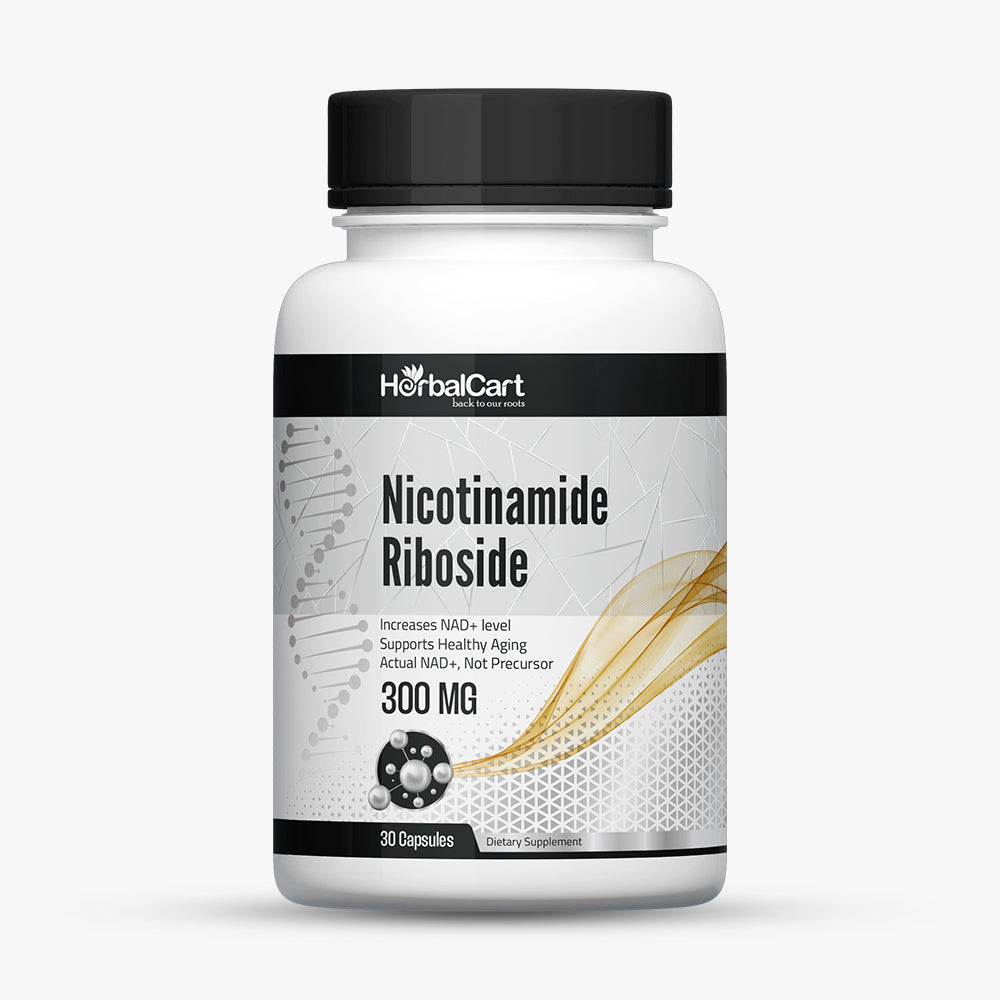


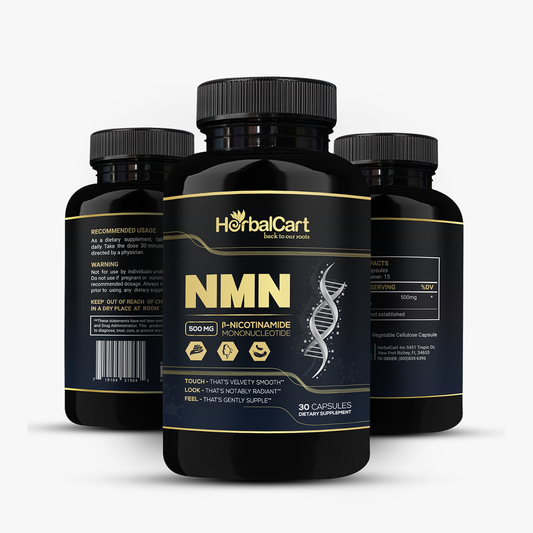


The names are close to each other, and this causes confusion. The functions are not. The former is the initial point, which is worth clearing up in the Nad vs. NAC discourse. The two compounds tend to be lumped together due to the fact that they appear on the same shelf, they both are associated with the health of cells, and both are packaged in the type of language that makes everything sound vaguely high-tech. That overlap is real. The issue is that it conceals the aspect that is important. NAD and NAC are not the same job, and the decision between them would be much more reasonable if that aspect were deprived of marketing sleaziness.
NAD (typically shortened as NAD or NAD +) is an energy metabolite coenzyme. It aids in the movement of electrons among the cells during metabolic reactions and is involved in the processes related to ATP formation, cell repair, and signaling pathways. N-acetyl cysteine, commonly abbreviated as NAC, is a derivative of cysteine, which, as it is more commonly referred to as supporting glutathione, puts it in a different field of competition as compared to its predecessor. The energy and repair conversation also involves the other; one is mostly part of it. The other is interrelated more with antioxidant support.
That mere dichotomy alone clears up half the muddlement between NAC and NAD. The people put them alongside each other as though they are competing versions of the same supplement concept. They are not. They are not the same tools, and their application is not based on the same reasons, and the wider choice is not about hype than what it is that you are trying to endorse.
Why This Comparison Gets Muddled So Easily
A lot of supplement content blurs categories because broad language sells better than precise language. “Cellular support” can mean almost anything. “Healthy aging” is even wider. Once both ingredients are placed under those banners, they start to look interchangeable from a distance.
They are not.
NAD sits closer to metabolism and cellular energy. NAC sits closer to glutathione and oxidative balance. That may sound like a technical distinction, but it changes the whole buying decision. A person looking into a NAD product is usually drawn to the energy side of the discussion, or to the wider research interest around NAD levels and aging. A person looking into NAC is more often reading about glutathione, antioxidant defense, or general support under physical or environmental stress.
This is where the difference between NAC and NAD supplements becomes practical rather than academic. The question is not which name sounds stronger. It is the pathway you care about.
What Nad Actually Does
NAD is present in all parts of the body and is used in redox reactions which refers to the transfer of electrons where they are required to go in the generation of energy. That labor is the leading one with metabolism. It can also be found in pathways associated with sirtuins, PARPs, and other repair and maintenance related enzymes, which is one of the reasons why NAD remains the focus of so much of the aging literature.
It does not imply that all the items sold under the NAD label are understandable and equally helpful.
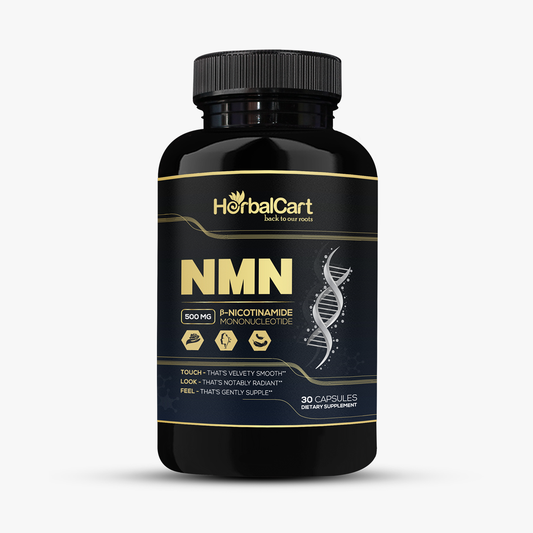
Practically, most of the products that are sold as NAD supplements are not NAD alone. Other ones take related compounds or precursors that are supposed to assist in the body to produce NAD. The difference is more significant than most labels want to acknowledge. A person can believe that he is purchasing direct NAD support, when it is in fact constructed on a precursor route. That does not necessarily make it bad. It only implies that the ingredient list is more important than the bottle cover.
This is among the unspoken issues in the NAD vs NAC supplement discussion. It is an easy category upon close inspection. As soon as you do, you find out that NAD supplement can be of different types of formulas.
What Nac Actually Does
NAC is easier to place.
It is a cysteine-based compound commonly used to support glutathione production. Since glutathione is one of the body’s major endogenous antioxidants, NAC gets discussed in relation to oxidative stress balance and cellular protection far more often than energy metabolism. Some sources also note NAC’s long history in clinical use outside the supplement aisle, which gives it a very different background from the more trend-driven framing often used for NAD products.
This is where people searching NAC and NAD often get stuck. They assume both belong to the same category because both sound biochemical and both get promoted for “wellness.” But NAC is not standing in for NAD, and NAD is not an alternative spelling of NAC with a different marketing team. They support different processes. Once that is clear, the comparison becomes much less messy.
A rough but useful shorthand helps here. NAD is more about helping run the engine. NAC is more about helping support the system that deals with cellular wear, oxidative stress, and glutathione-related defense. It is a simplification, yes. Still a better one than pretending they are versions of the same thing.
The Real Answer To NAD vs NAC
The honest answer is that there is no universal winner.
That may sound less exciting than the usual supplement blog verdict, but it is the cleanest answer. If the focus is cellular energy, metabolic function, or the broader interest around age-related NAD changes, the NAD side of the comparison is more relevant. If the focus is glutathione support or antioxidant-related support, NAC is the more natural fit.
That makes NAC vs. Nad one of those comparisons where “which is better” is the wrong opening question. Better for what is the only version that works.
This also helps cut through a common buying mistake. Some people compare these two as if they need to replace one with the other. Most of the time, that framing is wrong from the start. The decision should be based on purpose, not acronym similarity.
Where The Supplement Aisle Makes Things Worse
Distinctions of care are not always appreciated in the market. It rewards snappy titles, general statements, and clichés. Energy. Longevity. Recovery. Protection. Cellular vitality. Many equations are crammed into these words, and they are made to fit or not.
That is important since NAD vs NAC materials in the internet tend to steal the same lax vocabulary. One of the posts claims they both help with healthy aging, both are important in cellular health, both wear out or gain increased relevance as you age, by the time you finish reading, the actual differences have been obscured in a single mushy paragraph.
However, the information is the thing.
NAD can be more thoroughly analyzed with references to energy transfer and cellular signaling. NAC has been conceptualized by the fact that it is a glutathione precursor and antioxidant support profile. On removing the generic umbrella terms, the category becomes easier to read.
This is also the reason why front label reading is not sufficient. You must peep behind the great slogan and see what formula you are really constructing around.
Can NAC and NAD be taken together?
Here the intent to search is changed to nac vs nad and vice versa.
The reason why they were matched is simple. They operate in various channels hence they are said to be complementary and not mutually exclusive. One may consider NAD related support on one hand and NAC on the other. On paper, the latter can be more easily justified than a head-to-head match.
Nonetheless, it is here that good judgment plays in.
The fact that they are different does not necessarily mean that everyone needs both. The distance between these are not redundant and you should stack them by default is a huge step away. A better way to think of it is as follows: when every compound has an obvious rationale to be in a place, it is only logical that a combination of routines is more appropriate. To say that both of them are popular and that is all, is skin-thin reasoning.
One Quiet Mistake People Make With Nad Products
They assume the label tells the full story.
It often does not.
As noted earlier, some supplements sold in the NAD space use precursors or related compounds rather than NAD itself. That changes how the product should be read and compared. A person looking at NAD vs. NAC supplement options may think they are deciding between two single ingredients, when they are actually comparing one clearly named compound to a broader category of NAD-related approaches.
This is not a warning to avoid NAD products. It is simply a reason to read more carefully. The phrase “NAD support” can cover more than one route. That is fine, as long as the buyer knows that before making the comparison.
How To Think About The Difference Without Overcomplicating It
A lot of supplement writing swings between two extremes. It is either too vague to be useful or too technical to be readable.
This topic does not need either.
The difference between NAC and NAD supplements is easier to understand once you stop trying to rank them on one imaginary scale. They are not stronger and weaker versions of one thing. They sit in separate roles.
NAD fits best in discussions around cellular energy metabolism and repair-related pathways.
NAC fits best in discussions around glutathione support and antioxidant defense.
That is the core distinction. Most of the confusion comes from people refusing to leave that line alone.
FAQ
What is the real difference between NAD and NAC?
The easiest solution is that they operate on various systems. NAD is an enzyme that is associated with the regulation of energy metabolism and the process of cell repair. NAC is a cysteine-containing compound that is more associated with the production of glutathione and antioxidant defense. They are able to communicate in the same wellness space, but not in the same job.
Is NAC better than NAD, or is NAD better than NAC?
Neither wins in the abstract. That is the wrong frame. NAD usually makes more sense in an energy and metabolism discussion. NAC makes more sense in an antioxidant and glutathione support discussion. The better choice depends on the reason someone is looking at the supplement in the first place.
Can NAC and NAD be taken together?
They can be termed as complementary as they act in various pathways. And that explains the reason why the two are paired. Nonetheless, the fact that we are different does not imply that every one of us requires both. The better argument is when they all have their distinct reason in the daily routine.
What does NAD do that NAC does not?
NAD is highly associated with the process of cell energy generation and the metabolic responses involved in the production of usable cellular energy. It is also found in the pathways related to repair and cellular signaling. That is not the major role of NAC. Its more commonly recognized use is associated with glutathione support.
What does NAC do that NAD does not?
NAC is widely discussed as a precursor that supports glutathione production, which places it more firmly in the antioxidant support category. NAD is usually not framed that way. So if the interest is specifically around glutathione-related support, NAC is the clearer fit.
Is NAD or NAC more relevant for energy support?
NAD is the more direct fit here because of its role in cellular energy metabolism. That is why it appears so often in discussions around energy production and metabolic function. NAC may be part of a wider wellness routine, but it is not usually the first ingredient people mean when they talk about this category.
Is NAC or NAD more relevant for antioxidant support?
NAC is the clearer answer. It is commonly associated with glutathione support and antioxidant defense. NAD has a different primary role and is not usually positioned as the main antioxidant support compound in this comparison.
Are NAD supplements and NAD precursors the same thing?
Not always. This is one of the more confusing parts of the category. Some products in the NAD space are built around precursors or related compounds rather than direct NAD itself. That is one reason the ingredient list matters more than the front label.
Why do people search NAC vs NAD if they are so different?
Mostly because the names are similar and both are marketed under broad wellness language. Once two compounds get pushed through the same terms like cellular support or healthy aging, people start assuming they are near substitutes. They are not. The similarity is mostly in the way the category is sold, not in the role each compound plays.
What is the smartest way to compare a NAD vs NAC supplement?
Start with purpose, not popularity. If the goal is energy metabolism and NAD-related support, look at the NAD side carefully and check what form the product actually uses. If the goal is glutathione and antioxidant support, NAC is the more relevant category. That approach is much cleaner than trying to crown one ingredient as broadly better.
Final word
The cleanest NAD vs NAC article is usually the one that stops trying to make them fight.
These compounds are not mirror images, and they are not competing versions of the same supplement story. NAD belongs in the energy metabolism conversation. NAC belongs in the glutathione and antioxidant support conversation. Once that line is clear, the rest of the comparison settles down.
Ask what you want the supplement to do. That question gets you further than the label ever will.