




The questions on sleep are likely to be the first to appear when a person begins reading about NMN. One individual would like to understand whether it has any impact on the quality of sleep. The other concern following the reading of posts on nmn insomnia. Another person is struggling to know whether nmn side effects sleep is a fact or a mere myth on the internet.
This is why this subject is relevant.
NMN already belongs to a significantly larger discussion on energy, aging, and daily wellness. Then, it is understandable that people are also interested in knowing what is discussed when daytime energy and nighttime rest are mentioned in the same context. Can NMN support better rest? Is it possible to make any people more alert? Is there any real research behind the increased interest in nmn sleep?
It has been researched, but the narrative is still immature. The most intelligent approach of discussing it is in a balanced fashion, in simple words, and with a concrete demarcation between what has been learned and what the internet community likes to believe.
Why NMN Keeps Getting Linked With Sleep
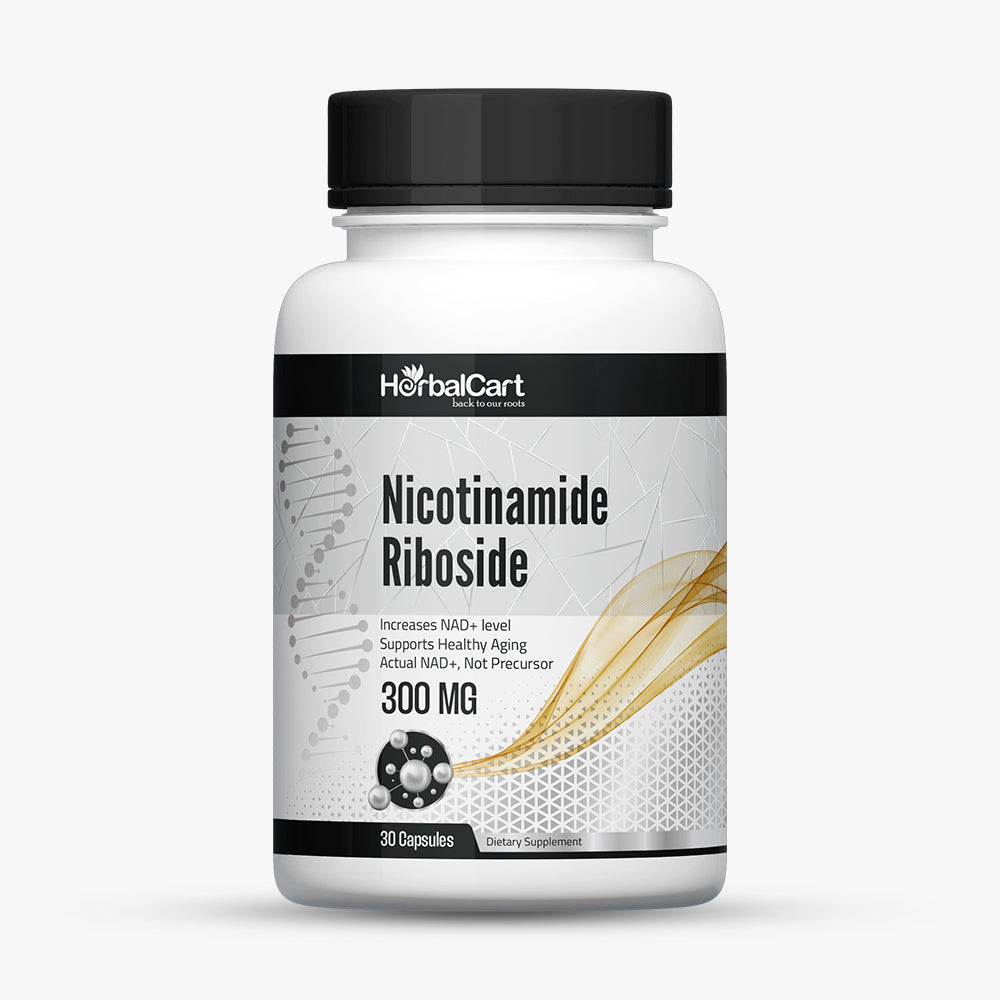
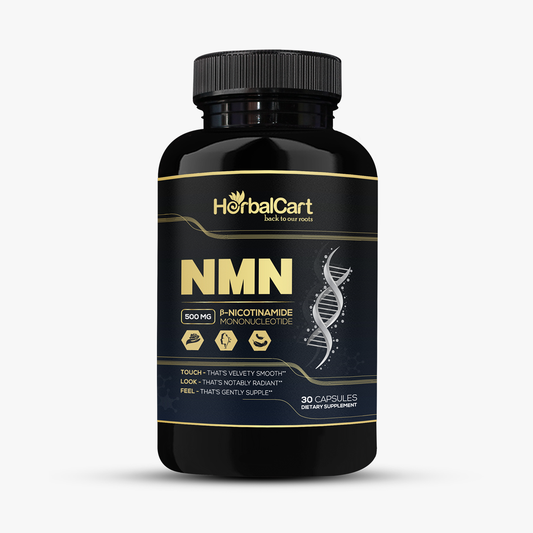
NMN is the short term for nicotinamide mononucleotide. It is an intermediate to NAD +, the form of cellular energy production and other biological processes of everyday life. It is one of the reasons why NMN is mentioned so frequently in wellness circles. Whenever an individual hears the word energy, he does not just think of physical activity. They also take into account fatigue, recovery, alertness in the day, and the manner in which they feel upon waking.
That is the point of the angle of sleep.
Individuals are not just raising questions about whether or not NMN makes them feel active. The questions they are posing include whether it alters their level of restfulness, whether it influences drowsiness, and whether time is of the essence. Those are reasonable questions, since sleep is closely connected to the body's fatigue and recovery.
What Research Actually Says About NMN Sleep
Among human studies, one of the most popular ones studied NMN among older adults in Japan, aged more than 12 weeks. It was a randomized, double blinded placebo controlled trial that involved 108 subjects. The comparison was of morning and afternoon NMN dose (250 mg), and the study looked at the quality of sleep, fatigue, and physical performance.
This fact is significant: the research did not show that NMN is a magic formula of sleep. What it did display was more particular. The biggest effect size was observed during the afternoon NMN group regarding reduced drowsiness and the positive change in a lower limb performance measure known as the five-times sit-to-stand test. The very summary of the paper makes it more evident that it reduces drowsiness and improves physical performance rather than any overall statement that NMN will change sleep everywhere.
It might not be as dramatic as some of the blogs promise, but it is much more useful. It informs the readers that a real correlation is being examined between nmn sleep and human feelings, but the results are still sketchy and are to be presented truthfully.
Does NMN Help You Sleep Better
This is the question most readers want answered first.
At this stage, the better answer is that NMN may be associated with sleep-related outcomes, but the evidence remains too narrow to support sweeping claims. One published human trial suggests a possible effect on drowsiness and daytime function in older adults, especially with afternoon intake. That is interesting. It is also not the same as saying NMN is proven to improve sleep for everyone.
Sleep itself is not one single outcome. It includes how quickly someone falls asleep, how often they wake during the night, how long they sleep, and how they feel the next day. A product may influence one part of that picture without changing everything else. That is one reason the nmn sleep conversation gets messy online. People often want a single, clean answer, but the research has not yet provided one.
What About NMN Insomnia
Searches around nmn insomnia are easy to understand. Sleep is personal. The moment people think a supplement might affect it, they go looking for stories, warnings, and answers.
Right now, there is not enough finished human evidence to say NMN clearly causes insomnia. There is also not enough published evidence to say it is an established answer for insomnia. The truth sits in the middle.
One of the sources you shared is a protocol for a multicenter, randomized, double blind, placebo-controlled trial studying oral NMN in chronic insomnia. That matters because it shows that researchers see the question as worth testing seriously. The protocol states that the trial is focused on chronic insomnia and plans to measure outcomes such as sleep efficiency using the Pittsburgh Sleep Quality Index, along with the Epworth Sleepiness Scale and the Insomnia Severity Index. But it is still a protocol. It lays out the study design. It does not provide complete results to prove the benefit.
So, if someone asks whether NMN insomnia is real, the most honest answer is this: insomnia is part of the research conversation around NMN, but the evidence is not settled enough to make blanket claims in either direction.
NMN Side Effects Sleep: Why This Search Term Is Growing
The term nmn side effects sleep tends to be based on the real life experience. A person begins a new schedule, feels that there has been some shift in his or her alertness or sleepiness, and wants to know whether NMN may be the cause.
The only thing that search does not necessarily imply is that things have gone bad. In other cases, it is an indication that one is feeling more awake than they should. Sometimes it implies that they are asking themselves whether timing made a difference in how they felt later on in the day. In other cases, they are merely attempting to make out conflicting posts on the web.
One of the clues that can be mentioned is in the older adult study: timing can be important. The afternoon group was more prominent in the afternoon research on drowsiness-related results. That cannot be a general rule concerning all users, but it does indicate that the timing of intake should be considered in the broader nmn side effects sleep argument.
What is crucial is that the sleep-related response does not appear to be simplified enough to condense to a one-line declaration or warning.
What Animal Research Adds to the Picture
There is also animal research that gets cited in this space. A 2022 paper studied NMN and an NMN-rich product in mice with induced sleep disorders. The paper reported sedative effects in that model and found changes linked to oxidative stress, SIRT1, serotonin-related signaling, GABA-related signaling, and immune pathways.
That is useful for building scientific interest, but it still needs to be kept in its place. Mouse research can help explain possible mechanisms. It cannot be presented as proof that people will have the same result. This is one of the biggest mistakes in weak supplement content. It takes early lab or animal data and writes as if the case is closed. It is not.
Why So Many Blogs Get This Topic Wrong
A lot of content on nmn sleep swings too far one way or the other.
Some articles make NMN sound like a ready-made sleep fix. Others try to scare readers into believing it will automatically disrupt sleep. Both approaches miss the point. Good content does not need to shout. It needs to sort the signal from the noise.
The signal here is that NMN has been studied in relation to sleep quality, fatigue, drowsiness, and insomnia-related outcomes. The noise is everything that turns those early signals into loud promises.
A better blog gives readers something far more useful. It tells them what has been studied, what remains unclear, and why the topic keeps coming up.
The Real Takeaway on NMN and Sleep
Interest in nmn sleep is justified. It is not a random trend. There is actual research behind the curiosity. One human study suggests NMN may influence drowsiness and physical function in older adults. Animal research points toward possible biological pathways worth studying further. A formal chronic insomnia trial protocol shows that the sleep angle is being taken seriously in research settings.
But that still does not give anyone a license to overstate the story.
The strongest version of this blog is also the most believable: NMN and sleep are clearly connected in ongoing research, though the evidence remains preliminary. That means people asking about nmn insomnia and nmn side effects deserve a straight answer, not hype.
Final Word
Sleep is one of those subjects where people notice small changes quickly. That is why NMN gets pulled into the conversation so often. People want to know whether it affects how they rest, recover, and feel the next morning.
The answer today is not dramatic, but it is useful. NMN is being studied for sleep-related outcomes. Some findings are promising. Some questions are still open. The best content does not pretend otherwise.
That is what makes a blog worth reading.
FAQs
Does NMN help with sleep?
The study of nmn sleep is still primitive. There is one study of human participants that indicates that NMN could be useful in the drowsiness-related effects in older adults; however, it does not imply that it can help all people have better sleep.
Can NMN cause insomnia?
Finished human evidence is lacking to indicate that NMN definitely brings about insomnia among all users. There is a search interest in nmn insomnia, although the evidence remains to be shaken.
Are there NMN side effects related to sleep?
Individuals are searching for nmn side effects sleep, but there is no consistency in evidence so far that will provide one standard answer to all. Now, personal reaction could be involved.
Is NMN being studied for chronic insomnia?
Yes. An oral NMN chronic insomnia multicenter, randomized, double blind, placebo study has been reported in a published protocol of a clinical trial.
What outcomes are researchers measuring in NMN insomnia research?
Such measures are included in the protocol, and these are the Pittsburgh Sleep Quality Index, Epworth Sleepiness Scale, and Insomnia Severity Index.
Does animal research support the NMN sleep discussion?
Animal research has reported sedative effects and changes in SIRT1, 5 HT, and GABA-related pathways in a mouse sleep disorder model. These findings are interesting, but they are not the same as human proof.
Is NMN a proven sleep supplement?
No. It is more accurate to say NMN is being studied for sleep-related outcomes than to present it as a proven sleep supplement.
Why are people searching for NNM sleep so much?
Because NMN is often linked with energy, recovery, and aging, readers want to know whether that also affects nighttime rest and next-day alertness.