


If you've spent any time researching longevity supplements, you've probably run into these two names over and over: NMN and resveratrol. They're often mentioned in the same breath, sold in the same "anti-aging" bundles, and credited with similar benefits. But here's the thing — they're not interchangeable, and they don't do the same job in your body.
Understanding how they actually differ can help you make a smarter, more personalized decision instead of just following trends. In this guide, we'll break down what NMN and resveratrol are, how they work, where the science currently stands, and how to think about using them — separately or together — as part of a healthy aging routine.
Note: Dietary supplements are not intended to diagnose, treat, cure, or prevent any disease. The information below is educational and shouldn't replace advice from a qualified healthcare provider.
What Is NMN?
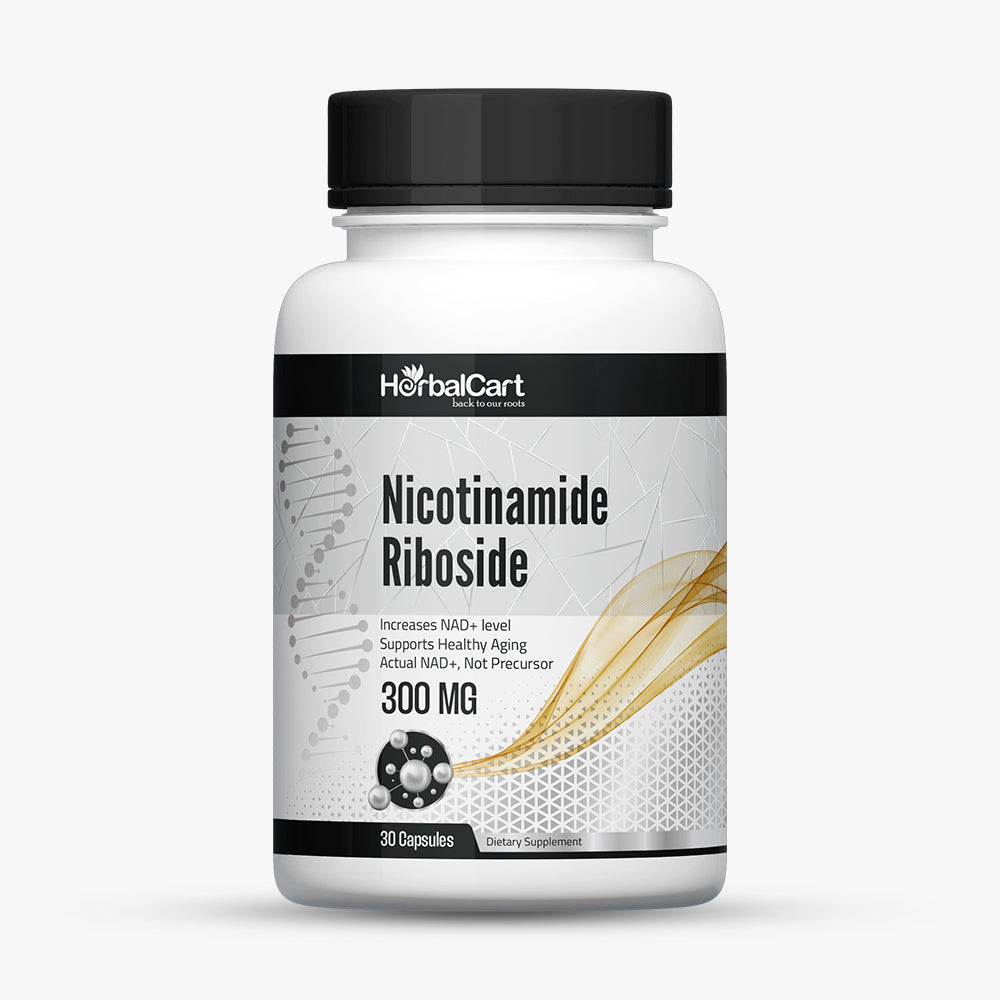
NMN (nicotinamide mononucleotide) is a naturally occurring molecule found in small amounts in foods like broccoli, avocado, and edamame. Its main claim to fame is that it's a direct precursor to NAD+ (nicotinamide adenine dinucleotide), a coenzyme every cell in your body needs to produce energy and repair DNA.
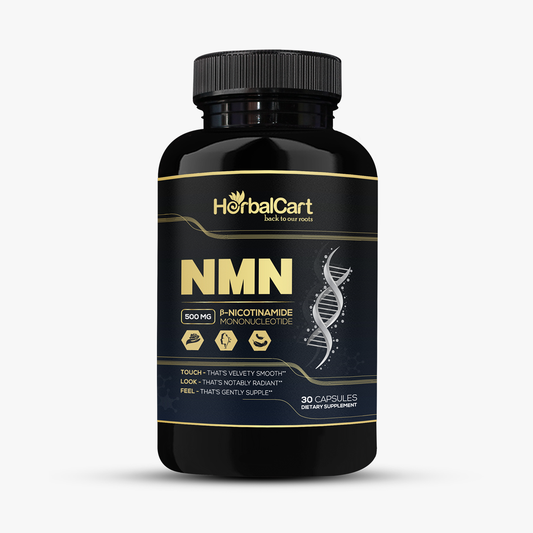
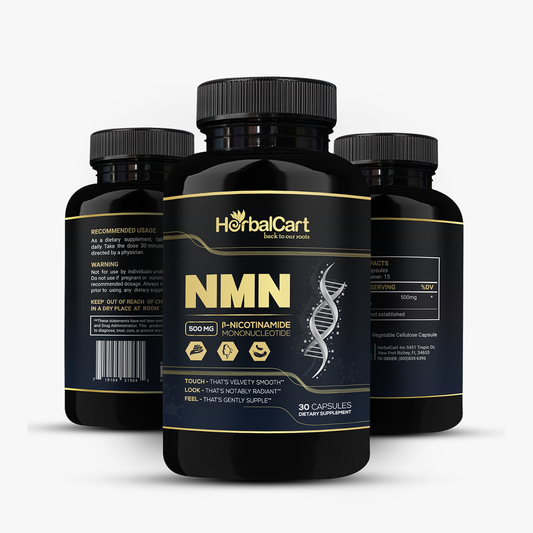
NAD+ levels decline steadily as we age, and researchers have linked this decline to slower metabolism, reduced cellular repair, and lower energy output. The theory behind NMN supplementation is straightforward: by supplying more of the raw material your body converts into NAD+, you may help support healthier NAD+ levels as you get older. You can see how a typical NMN supplement is formulated and dosed if you want a closer look at what's actually in these products.
What Is Resveratrol?
Resveratrol is a natural plant compound, technically a polyphenol, found in red grape skins, red wine, blueberries, and peanuts. It gained mainstream attention years ago after early lab studies suggested it might activate a family of proteins called sirtuins — often nicknamed "longevity genes" because of their role in regulating cellular stress response, inflammation, and metabolism.
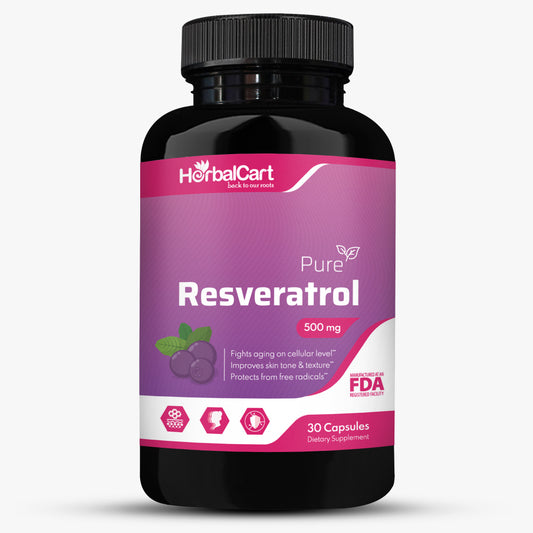
Unlike NMN, resveratrol isn't a building block for NAD+. Instead, it's thought to work more like a supporting actor — helping the cellular machinery (specifically sirtuins) function more efficiently, but only when NAD+ is available for those sirtuins to use. This is actually one of the most important — and most overlooked — distinctions between the two compounds, which we'll dig into shortly. If you're curious what a daily resveratrol routine looks like, this breakdown of what happens if you take resveratrol every day covers the practical side in more depth.
NMN vs Resveratrol: Quick Comparison Table
| Feature | NMN | Resveratrol |
|---|---|---|
| Category | NAD+ precursor | Polyphenol / sirtuin activator |
| Primary Role | Raises NAD+ substrate levels | Supports sirtuin activity |
| Natural Sources | Broccoli, avocado, edamame | Red grapes, red wine, berries |
| Best Taken | Morning, on empty stomach | With a meal containing fat |
| Common Dosage Range | 250–500 mg/day | 150–500 mg/day |
| Works Best When | Taken alone or with resveratrol | Taken alongside adequate NAD+ |
| Human Evidence | Growing, still limited | Mixed, longer research history |
Key Differences Between NMN and Resveratrol
The biggest difference most people miss is this: NMN and resveratrol aren't competing products — they operate at completely different steps of the same biological pathway. NMN feeds the NAD+ "fuel tank," while resveratrol may help the sirtuin "engine" run more efficiently once fuel is present.
Think of it like a car. NAD+ is the fuel, sirtuins are the engine, and resveratrol is sometimes described as a tuning mechanism that helps that engine perform better — but only if there's fuel to burn. Taking resveratrol without adequate NAD+ may be like tuning an engine that's running on fumes. This is why many longevity researchers and supplement formulators discuss the two compounds together rather than as alternatives.
Another overlooked difference is bioavailability. NMN is water-soluble and absorbed relatively efficiently through the gut and specialized transporters. Resveratrol, by contrast, has notoriously poor bioavailability on its own — much of it is metabolized quickly by the liver before it can act on tissues, which is why it's typically recommended with a fat-containing meal to improve absorption.
Finally, the two compounds tend to have different "vibes" in terms of subjective effects. NMN users more commonly report noticeable changes in energy and mental clarity, while resveratrol is more often associated with general wellness, cardiovascular support, and antioxidant activity — effects that tend to be subtler and slower to notice.
How They Work Inside the Body
How NMN Works
Once ingested, NMN is absorbed and converted into NAD+ through a specific enzymatic pathway. NAD+ is essential for hundreds of biological processes, including mitochondrial energy production, DNA repair enzymes (like PARPs), and the activity of sirtuins themselves. As NAD+ levels naturally decline with age — some estimates suggest a significant drop by mid-adulthood — cells may become less efficient at these core functions. NMN supplementation is designed to replenish this substrate directly, essentially giving cells more of the raw material they need to keep NAD+-dependent processes running.
How Resveratrol Works
Resveratrol's proposed mechanism is different. Early research suggested it could activate SIRT1, one of the seven known human sirtuins, which plays a role in regulating inflammation, metabolic health, and cellular stress resistance. Resveratrol is also a potent antioxidant, meaning it may help neutralize free radicals that contribute to oxidative stress and cellular aging. Some studies also point to resveratrol's role in supporting healthy blood vessel function and lipid metabolism, which is part of why it's frequently discussed in the context of cardiovascular wellness.
The Biggest Difference Most People Overlook
Here's the part that rarely gets explained clearly: sirtuins are NAD+-dependent enzymes. That means resveratrol's ability to activate sirtuins is fundamentally limited by how much NAD+ is available in the first place. If NAD+ levels are already low — which is common with age — resveratrol may have less to work with, no matter the dose.
This is the core rationale behind stacking the two: NMN raises the available NAD+ pool, and resveratrol may help the sirtuins that depend on that pool function more effectively. It's less "either/or" and more "foundation and support."
NMN vs Resveratrol for NAD+ Levels
NMN has a much more direct relationship with NAD+ since it is one metabolic step away from becoming NAD+ itself. Several small human studies have measured increases in blood NAD+ levels following NMN supplementation. Resveratrol doesn't raise NAD+ directly — its role is downstream, helping sirtuins use whatever NAD+ is already present.
NMN vs Resveratrol for Healthy Aging
Both compounds are studied within the broader "geroscience" field, which looks at the biological mechanisms of aging rather than any single disease. NMN's appeal centers on replenishing a resource (NAD+) that reliably declines with age. Resveratrol's appeal centers on supporting cellular resilience against stress and inflammation, two processes closely tied to aging biology. For a broader view of where these fit among other options, this guide to best anti-aging supplements is a useful next read.
NMN vs Resveratrol for Energy and Cellular Function
Because NAD+ is central to mitochondrial energy production, many NMN users report subjectively feeling more energized, particularly in the first few weeks of use. Resveratrol's contribution to energy is more indirect — through supporting mitochondrial efficiency and reducing oxidative burden — so effects here tend to be milder and slower to notice.
NMN vs Resveratrol for Heart Health
Resveratrol has a longer research history connected to cardiovascular wellness, largely stemming from the "French Paradox" observations linking moderate red wine consumption to heart health outcomes. Studies have explored its role in supporting healthy cholesterol levels, blood vessel flexibility, and blood pressure within normal ranges. NMN's cardiovascular research is newer but growing, with some studies examining its role in supporting vascular function as NAD+ levels are restored.
NMN vs Resveratrol for Brain Health
NAD+ is critical for neuronal energy metabolism, which is why NMN is being studied for its potential role in supporting cognitive function and neuronal resilience as part of healthy brain aging. Resveratrol's antioxidant properties have also drawn interest in neuroscience research, particularly around protecting brain cells from oxidative stress. Both areas are still considered early-stage in humans.
NMN vs Resveratrol for Skin Health
Skin cells, like all cells, depend on NAD+ for repair and energy metabolism, so healthier NAD+ levels are theorized to support skin cell turnover and resilience against environmental stress. Resveratrol's antioxidant profile has made it a popular ingredient in topical skincare formulations as well as oral supplements, with proposed benefits around protecting skin from UV-related oxidative damage. Neither compound should be viewed as a replacement for sunscreen or established skincare practices.
Scientific Evidence: What Human Studies Show
It's important to be upfront here: while both NMN and resveratrol have a substantial body of preclinical (cell and animal) research behind them, human clinical evidence is still developing and, in several cases, mixed.
For NMN, small-scale human trials have shown it can be absorbed and does raise blood NAD+ levels, with some studies noting improvements in markers like insulin sensitivity or physical performance in specific populations (such as postmenopausal women with prediabetes). However, larger, long-term human trials are still limited, and NMN is not currently approved to treat, cure, or prevent any disease.
For resveratrol, decades of research exist, but human trial results have been inconsistent. Some studies show modest benefits for cardiovascular markers or blood sugar regulation, while others show no significant effect compared to placebo — often due to resveratrol's poor natural bioavailability. Formulation matters a great deal here, which is part of why product quality and delivery method are worth paying attention to.
The honest takeaway: both compounds show biological plausibility and encouraging early data, but neither should be marketed or understood as a proven anti-aging cure. This is an active, evolving area of research.
Resveratrol vs NMN: The Key Differences (Pros and Cons)
| Pros | Cons | |
|---|---|---|
| NMN | Directly raises NAD+ substrate; growing human data; generally well tolerated; supports energy metabolism | More expensive per dose; requires specific storage/stability; still limited long-term trials |
| Resveratrol | Long research history; antioxidant properties; supports cardiovascular wellness; widely available | Poor natural bioavailability; effects depend on NAD+ availability; mixed human trial results |
Recommended Stack Routine
A commonly discussed approach among longevity-focused users is a simple AM stack:
- NMN: 250–500 mg, taken in the morning on an empty stomach
- Resveratrol: 150–500 mg, taken with breakfast or a meal containing healthy fats to improve absorption
Always start at the lower end of any studied range and adjust based on how your body responds, ideally under the guidance of a healthcare professional.
Why Morning Dosing Matters
NAD+ naturally follows a circadian rhythm, tending to be higher earlier in the day and lower at night. Taking NMN in the morning is thought to align supplementation with this natural rhythm, potentially supporting daytime energy metabolism without interfering with nighttime cellular repair processes. This is one of the most frequently asked practical questions, and it's covered in more detail in this guide on the best time to take NMN.
Before and After: What to Expect
Reported experiences vary widely and aren't guaranteed, but many users describe a general pattern:
- Weeks 1–2: Subtle changes, sometimes mild digestive adjustment as the body adapts
- Weeks 3–6: Some users report steadier energy levels and improved focus
- Months 2–3+: Longer-term users often describe better exercise recovery and a general sense of wellness
These are subjective, anecdotal patterns rather than clinical guarantees, and individual results depend on baseline health, diet, and lifestyle factors.
Can You Take NMN and Resveratrol Together?
Yes, and many people do. Given the complementary mechanism described earlier — NMN raising NAD+ substrate and resveratrol supporting the sirtuins that depend on it — combining the two is one of the more logically coherent supplement stacks in the longevity space.
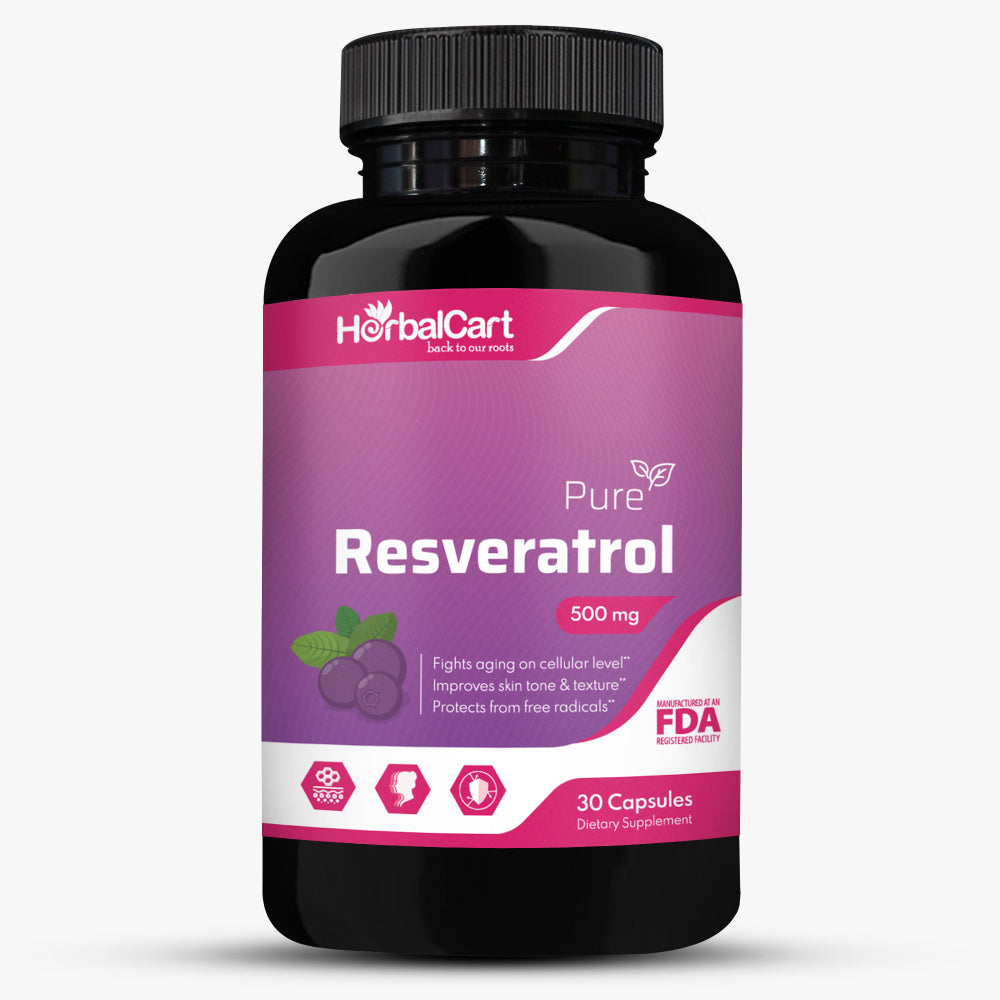
That said, "logically coherent" isn't the same as "clinically proven." There aren't yet large-scale human trials specifically confirming that the combination outperforms either compound alone in terms of health outcomes. If you're considering stacking them, it's reasonable to start with one at a time to see how your body responds before combining both. If you'd like to explore a dedicated resveratrol supplement alongside your NMN routine, checking the label for standardized dosing and third-party testing is a good starting point.
As always, check with a healthcare provider before combining supplements, especially if you take prescription medications, since resveratrol in particular can interact with blood thinners and other drugs metabolized by the liver.
Safety, Side Effects, and Precautions
Both NMN and resveratrol are generally considered well tolerated in the doses studied so far, but neither is entirely free of potential side effects.
NMN: Mild nausea, flushing, or digestive discomfort have been reported in some users, usually at higher doses. Long-term safety data in humans is still limited.
Resveratrol: Higher doses have been associated with gastrointestinal upset, including diarrhea or nausea. Resveratrol may also interact with blood-thinning medications and drugs processed by the liver's enzyme pathways, so caution is advised for anyone on prescription medication.
Neither supplement is recommended for pregnant or breastfeeding individuals, and anyone with an existing medical condition should talk to a doctor before starting either one. These products are not intended to diagnose, treat, cure, or prevent any disease.
How to Choose Between NMN and Resveratrol
If your primary goal is supporting overall cellular energy and addressing age-related NAD+ decline, NMN is generally the more direct choice. If you're more focused on antioxidant support and general cardiovascular wellness, resveratrol may align better with your goals. If you want a more comprehensive approach to healthy aging, combining both — starting with lower doses of each — is a commonly discussed strategy, though it's worth remembering the current evidence base is still developing for both compounds individually and combined.
NMN with or without Food: Dosing Guide
- NMN: Most commonly taken on an empty stomach in the morning, since food may slightly slow absorption of some formulations. Some people find it easier on digestion when taken with a small amount of water and no food.
- Resveratrol: Best taken with a meal containing some fat, since this compound is fat-soluble in nature and absorption tends to improve when taken alongside food.
- Common studied ranges: NMN 250–500 mg/day; resveratrol 150–500 mg/day. Always follow the specific product label, since formulations and concentrations vary between brands.
Final Verdict: Which Supplement Is Right for You?
NMN and resveratrol aren't rivals — they're two different tools that happen to work on the same underlying biological system. If your priority is directly supporting declining NAD+ levels and cellular energy metabolism, NMN is the more targeted option. If you're drawn to antioxidant support and cardiovascular wellness with a longer research track record, resveratrol may be the better starting point. And if you're looking for a more complete approach to healthy aging, using both together — at conservative, well-studied doses — is a reasonable, biologically grounded strategy that many longevity-focused adults choose to explore.
Whichever path you choose, remember that dietary supplements are not intended to diagnose, treat, cure, or prevent any disease, and the science in this space, while promising, is still evolving. Talk to a healthcare professional before starting any new supplement routine, especially if you have existing health conditions or take prescription medication.