



The 2500 calorie diet represents a different paradigm than extreme restriction. While restrictive diets like the 1200 calorie approach create rapid initial weight loss, the 2500 calorie framework offers sustainability, energy, muscle preservation, and the ability to live a normal social life while still achieving fat loss.
This isn't a diet for rapid transformation, but rather for athletes, active individuals, and those who want to lose weight without sacrifice. It's the diet that works long-term because it doesn't feel like deprivation. It's the caloric level where you can eat real food, maintain muscle, support athletic performance, and still create a meaningful deficit for fat loss.
In this comprehensive guide, we'll explore exactly what 2500 calories looks like, how to structure it for maximum protein intake, why this caloric level works for weight loss and muscle building, and provide practical meal plans you can implement immediately.
What Is 2500 Calories, Really?
Understanding the Caloric Landscape
Before diving into meal plans, it's crucial to understand what 2500 calories actually represents. Calories are units of energy—literally the amount of energy your body extracts from food to power every function: breathing, thinking, moving, digesting food, and maintaining body temperature.
Your daily caloric requirement depends on multiple factors:
Basal Metabolic Rate (BMR): The calories your body burns at rest just to maintain basic life functions. This typically ranges from 1400-1800 calories daily depending on age, sex, body composition, and genetics.
Activity Level Multiplier: Your BMR is multiplied by your activity level:
- Sedentary (little exercise): BMR × 1.2
- Lightly active (exercise 1-3 days/week): BMR × 1.375
- Moderately active (exercise 3-5 days/week): BMR × 1.55
- Very active (exercise 6-7 days/week): BMR × 1.725
- Extremely active (athlete/physical job): BMR × 1.9
For example, a 180-pound man with a BMR of 1700 who exercises 4-5 days weekly: 1700 × 1.55 = 2635 calories for maintenance
In this case, 2500 calories creates a modest 135-calorie deficit—resulting in approximately 0.3 pounds of fat loss weekly. This might seem slow, but it's incredibly sustainable and preserves muscle mass.
2500 Calories: The Sweet Spot for Active Individuals
At 2500 calories daily, most active men can:
- Maintain energy for intense workouts
- Preserve lean muscle mass
- Create a modest caloric deficit (200-500 calories depending on activity)
- Eat satisfying portions of real food
- Sustain the diet long-term
- Support hormonal health
- Maintain social life without restriction
This is why 2500 calories is popular among athletes, fitness enthusiasts, and men seeking sustainable fat loss without becoming obsessive about dieting.
Who Should Follow a 2500 Calorie Diet?
Ideal Candidates
The 2500 calorie approach works best for:
Active Men: Men who exercise 4-6 days weekly typically have caloric needs between 2400-3000. At 2500, they create a sustainable deficit while maintaining performance.
Athletes: Endurance athletes, strength athletes, and sports players need adequate calories to support training intensity and recovery. 2500 is often the sweet spot for fat loss without compromising performance.
Highly Active Individuals: People with active jobs (construction, personal training, etc.) or daily movement habits benefit from the energy this caloric level provides.
Those Transitioning from Restrictive Diets: People recovering from extreme restriction benefit from the psychological relief of adequate calories while still achieving results.
Individuals Prioritizing Muscle: Unlike very low calorie diets that sacrifice muscle, 2500 calories with adequate protein preserves lean mass while losing fat.
Who Should Avoid This Caloric Level
- Sedentary women seeking maximum fat loss (often need 1500-1800)
- People with 10-20 pounds to lose who want maximum speed (extreme restriction achieves this faster, though less sustainably)
- Those with metabolic issues without professional guidance
- Individuals recovering from eating disorders without professional oversight
The Science Behind 2500 Calories for Weight Loss
The Thermodynamic Truth
Weight loss boils down to one fundamental principle: consuming fewer calories than your body expends. This isn't negotiable with exercise type, supplement, or "special" foods. The math is immutable.
However, how you create that deficit dramatically impacts:
- Muscle preservation
- Hormonal health
- Energy levels
- Sustainability
- Long-term success
A 2500 calorie diet creates a moderate deficit (typically 200-500 calories daily, depending on your maintenance level). This translates to losing approximately 0.4-1 pound of fat weekly—slower than extreme restriction, but sustainable and muscle-sparing.
Why Moderate Deficits Preserve Muscle
When you create an aggressive deficit (1000+ calories), your body breaks down muscle tissue for energy because it's metabolically expensive to maintain. This results in significant muscle loss alongside fat loss.
With a modest deficit combined with adequate protein and resistance training:
- Muscle protein synthesis is maintained (muscle repair continues)
- Hormonal health is preserved (testosterone, growth hormone, thyroid function)
- Energy for training is sufficient (supporting your workout intensity)
- Adherence is sustainable (not requiring constant willpower)
For beginners or those returning from breaks, some muscle can be built while losing fat. For experienced lifters, the primary benefit is muscle preservation—maintaining strength and muscle mass while losing fat, resulting in improved body composition.
Metabolic Adaptation
One common concern with dieting is "metabolic slowdown"—the body adapting to reduced calories by burning fewer calories. This does happen, but more slowly with moderate deficits:
Aggressive restriction (1200 calories):
- Metabolic slowdown begins within days
- Rapid muscle loss
- Hormonal disruption occurs quickly
- Recovery/muscle building becomes impossible
Moderate deficit (2500 calories):
- Metabolic adaptation occurs slowly (weeks 4-8)
- Muscle preservation is possible
- Hormonal profile remains relatively normal
- Training performance and recovery are maintained
This is why athletes and active individuals avoid extreme restriction—it directly undermines their goals.
Building Your 2500 Calorie High-Protein Structure
The Macro Foundation
For optimal results at 2500 calories, distribute macronutrients strategically:
Protein: 1.6-2.2 grams per kilogram of body weight (approximately 110-180 grams daily for most men)
For a 180-pound (82 kg) person: 131-180g protein daily is appropriate
This protein intake serves important purposes:
- Supports muscle preservation during deficit
- Improves satiety compared to lower protein
- Aids muscle recovery when combined with resistance training
- Supports training performance and recovery
- Helps maintain stable energy throughout the day
Note: Protein requirements vary by body weight, not a fixed 250g for everyone
Carbohydrates: 40% of calories (1000 calories ÷ 4 calories per gram = 250 grams daily)
Adequate carbohydrates:
- Fuel intense training
- Support central nervous system function
- Maintain energy throughout the day
- Support hormone production
- Allow for satisfying meals and normal social eating
Fat: 20% of calories (500 calories ÷ 9 calories per gram = 56 grams daily)
Healthy fats:
- Support hormone production
- Enable vitamin absorption
- Provide satiety
- Reduce inflammation
- Protect cardiovascular health
Why This Macro Distribution Works
At 2500 calories with 250g protein:
- Protein intake far exceeds typical recommendations (0.8g per kg body weight)
- High protein combined with training maximizes muscle building
- High protein maintains satiety despite caloric deficit
- Remaining calories split between carbs and fats supports training and health
- This ratio is backed by decades of sports nutrition research
Simple 2500 Calorie Meal Plan: Practical Implementation
The Framework: Eating 4-5 Times Daily
A simple approach divides 2500 calories into manageable meals:
Option 1: Five meals
- Breakfast: 500 calories
- Snack 1: 400 calories
- Lunch: 600 calories
- Snack 2: 400 calories
- Dinner: 600 calories
Option 2: Three meals + two snacks
- Breakfast: 600 calories
- Snack: 400 calories
- Lunch: 700 calories
- Snack: 300 calories
- Dinner: 500 calories
Option 3: Six smaller meals
- Meal 1-6: ~420 calories each
The best option is whichever fits your schedule and keeps hunger at bay.
Sample Day 1: Traditional Structure
Breakfast (550 cal): Protein Pancake Power
- 2 whole eggs + 2 egg whites (cooked in 1 tsp olive oil)
- 1 cup oats prepared with water
- 1 medium banana
- 1 tbsp almond butter
- Black coffee
Macros: 42g protein, 68g carbs, 14g fat
Mid-Morning Snack (400 cal): Workout Fuel
- Protein shake: 1 scoop whey protein powder
- 8 oz whole milk
- 1 medium apple
- Handful of almonds (1 oz)
Macros: 35g protein, 45g carbs, 9g fat
Lunch (600 cal): Lean Protein Power
- 6 oz grilled chicken breast
- 1.5 cups white rice
- 1 cup steamed broccoli
- 1 tsp olive oil for cooking
- Hot sauce and herbs
Macros: 52g protein, 72g carbs, 6g fat
Pre-Workout Snack (350 cal): Quick Energy
- Rice cakes (2 medium): 180 calories
- 2 tbsp honey: 170 calories
- Black coffee with 1 tsp honey
Macros: 2g protein, 88g carbs, 0g fat
Dinner (600 cal): Evening Satisfaction
- 7 oz lean ground beef (93%)
- 1.5 cups sweet potato
- 1.5 cups mixed vegetables (steamed or roasted)
- 1 tsp olive oil
Macros: 52g protein, 65g carbs, 16g fat
Daily Totals: 2500 calories | 183g protein | 338g carbs | 45g fat
Sample Day 2: Higher Fat Approach
Breakfast (500 cal): Protein & Healthy Fat
- 3 whole eggs scrambled
- 2 slices whole wheat toast
- 1/2 avocado
- 1 cup mixed berries
- Coffee with 1 tbsp almond butter stirred in
Macros: 20g protein, 48g carbs, 18g fat
Mid-Morning Snack (450 cal): Sustained Energy
- Greek yogurt: 8 oz non-fat (150 cal, 20g protein)
- Granola: 1/4 cup (150 cal)
- Honey: 1 tbsp (60 cal)
- Walnuts: 1 oz (90 cal)
Macros: 25g protein, 52g carbs, 10g fat
Lunch (600 cal): Fish & Carbs
- 6 oz baked salmon
- 1.5 cups brown rice
- 1 cup asparagus roasted in 1 tsp olive oil
- Lemon and herbs
Macros: 45g protein, 68g carbs, 12g fat
Afternoon Snack (300 cal): Simple Fuel
- Protein bar: 200 calories
- Banana: 100 calories
Macros: 20g protein, 40g carbs, 3g fat
Dinner (650 cal): Lean Meat Satisfaction
- 8 oz lean steak (90% lean)
- 2 medium baked potatoes
- Large salad with olive oil dressing (2 tbsp dressing)
Macros: 56g protein, 70g carbs, 18g fat
Daily Totals: 2500 calories | 166g protein | 278g carbs | 61g fat
Sample Day 3: Flexible High Protein
Breakfast (500 cal): Carb-Centered
- Oatmeal: 1 cup dry
- Whole milk: 1 cup
- Banana: 1 medium
- Whey protein powder: 0.5 scoop mixed in
- Berries
Macros: 30g protein, 72g carbs, 8g fat
Snack 1 (400 cal): Post-Workout
- Chicken breast: 5 oz
- White rice: 1 cup cooked
- Mixed vegetables
Macros: 48g protein, 48g carbs, 2g fat
Lunch (650 cal): Varied Protein
- Pasta: 2 cups cooked
- Ground turkey: 5 oz
- Marinara sauce: 1 cup (no added sugar)
- Parmesan cheese: 2 tbsp
- Side salad
Macros: 42g protein, 76g carbs, 12g fat
Snack 2 (300 cal): Simple Carbs
- Bagel: 1 medium
- Peanut butter: 1.5 tbsp
- Honey: 0.5 tbsp
Macros: 12g protein, 42g carbs, 10g fat
Dinner (650 cal): Dinner Satisfaction
- Turkey or chicken: 6 oz
- Sweet potato: 1.5 medium
- Roasted vegetables: 2 cups
- Olive oil for cooking: 1 tsp
Macros: 50g protein, 68g carbs, 10g fat
Daily Totals: 2500 calories | 182g protein | 306g carbs | 42g fat
What Does a 2500 Calorie Diet Look Like? Visual Breakdown
Typical Daily Plate Composition
Understanding visually what 2500 calories looks like helps with intuitive eating:
Breakfast Plate: A large plate with 3-4 oz protein source (eggs or meat), 1.5 cups carbohydrate source (oats or toast), 1/2 cup healthy fats (nuts or avocado)
Lunch Plate: A 10-inch plate split into thirds: 4-5 oz lean protein, 2 cups whole grains or starchy vegetables, 2 cups non-starchy vegetables
Dinner Plate: Similar to lunch: 5-6 oz protein, 1.5 cups carbs, 1.5-2 cups vegetables
Snacks: 1-2 snacks daily with 300-400 calories each, combining protein and either carbs or fats
Volume and Satiety
A key advantage of 2500 calories: you eat a LOT. This isn't a restrictive diet.
On a typical day, you're consuming:
- 8-12 oz total protein (spread across 4-5 meals)
- 6-8 cups of carbohydrate sources (rice, oats, potatoes, pasta, bread)
- Multiple servings of vegetables (4-6 cups)
- Adequate healthy fats from oils, nuts, and animal products
This volume makes the diet surprisingly satisfying. You're not staring at tiny portions yearning for more food. You're eating substantial, normal-looking meals.
2500 Calorie Diet for Weight Loss: Making It Work
Creating the Deficit While Maintaining Performance
The key to weight loss at 2500 calories is ensuring your true maintenance caloric needs are 2800-3200. If your actual maintenance is only 2300 calories, then 2500 isn't a deficit—it's a surplus.
Assess Your True Maintenance:
- Track your current eating for 2-3 weeks without dieting
- Average your daily calories
- Track your weight daily, calculating weekly average
- If weight is stable, that's approximately your maintenance
Alternatively, use online calculators as starting points, then adjust based on real-world results.
The Timeline for Results
At 2500 calories with a 300-500 calorie deficit:
Week 1-2: Initial weight loss 1-3 pounds (includes some water weight, but less dramatic than extreme restriction) Week 3-4: Fat loss becomes more apparent (0.5-1 pound weekly) Month 1: 3-5 pounds total weight loss Month 3: 6-12 pounds fat loss + muscle preservation Month 6: 12-24 pounds fat loss while maintaining strength
This slower, more realistic pace has advantages:
- More sustainable and easier to stick with
- Better muscle preservation
- Maintains training performance
- Hormonal health remains stable
Combining Diet With Training
2500 calories is optimal when paired with:
Resistance Training 4-5x weekly (supporting muscle preservation/growth)
- Heavy strength work preserves muscle during deficit
- Creates additional caloric deficit through muscle building
- Improves body composition (muscle is denser than fat)
Moderate Cardio 2-3x weekly (supports additional deficit)
- 30-45 minutes at moderate intensity
- Supports cardiovascular health
- Creates additional caloric deficit without requiring further dietary restriction
Daily Movement: Walking, stairs, general activity adds up over time
This combination creates 500-800 calorie total daily deficit (diet + exercise), resulting in 1-1.6 pounds weekly fat loss while preserving muscle.
Science-Based Optimization Strategies
The Anti-Inflammatory Advantage
Your 2500 calorie diet should prioritize anti-inflammatory foods to support recovery and health. Understanding an anti-inflammatory diet framework enhances your results:
Anti-inflammatory foods to prioritize:
- Fatty fish (salmon, mackerel) - omega-3s reduce inflammation
- Leafy greens (spinach, kale) - antioxidants support recovery
- Berries (blueberries, strawberries) - anthocyanins reduce inflammation
- Nuts and seeds (walnuts, flax) - healthy fats support hormonal health
- Colorful vegetables - phytonutrients support cellular health
- Herbs and spices (turmeric, ginger) - powerful anti-inflammatory compounds
Avoid inflammatory foods:
- Deep-fried foods
- Excess sugar
- Highly processed items
- Vegetable seed oils in large quantities
By structuring your 2500 calories with anti-inflammatory choices, you support faster recovery, reduce inflammation-related water retention, and support long-term health.
Skin Health During Caloric Deficit
A common concern during diet phases: maintaining skin health and appearance. Understanding what is the best skin food ensures your face looks good as your body transforms:
Skin-supporting nutrients at 2500 calories:
- Protein: Supports collagen production (include at every meal)
- Vitamin C: From colorful vegetables and citrus (supports collagen synthesis)
- Healthy fats: From fish, nuts, avocado (support skin barrier)
- Antioxidants: From berries and vegetables (protect against oxidative damage)
- Hydration: Minimum 3-4 liters daily (plumps skin from inside)
- Zinc: From meat, shellfish, seeds (supports skin healing)
At 2500 calories with adequate protein (250g daily) and variety, your skin should look great during fat loss rather than dull or saggy.
Longevity and Health Markers
While weight loss is the primary goal, you're also investing in long-term health. Research on human longevity tips shows that sustainable, moderate weight loss with preserved muscle and optimized nutrition supports healthspan (years of healthy, vital life).
At 2500 calories with high protein and whole foods, you're supporting:
- Cardiovascular health (moderate calorie intake, adequate exercise)
- Metabolic health (preserved muscle supports insulin sensitivity)
- Cognitive function (adequate carbs and healthy fats for brain)
- Bone health (resistance training + protein)
- Hormonal balance (not excessively restricted)
This isn't rapid weight loss that leaves you depleted. It's intelligent fat loss that makes you healthier.
Supplemental Support During Training
While whole foods form the foundation, some supporting supplements may be worth considering. However, it's important to recognize that supplement benefits are often overstated:
Basic Supplements Worth Considering:
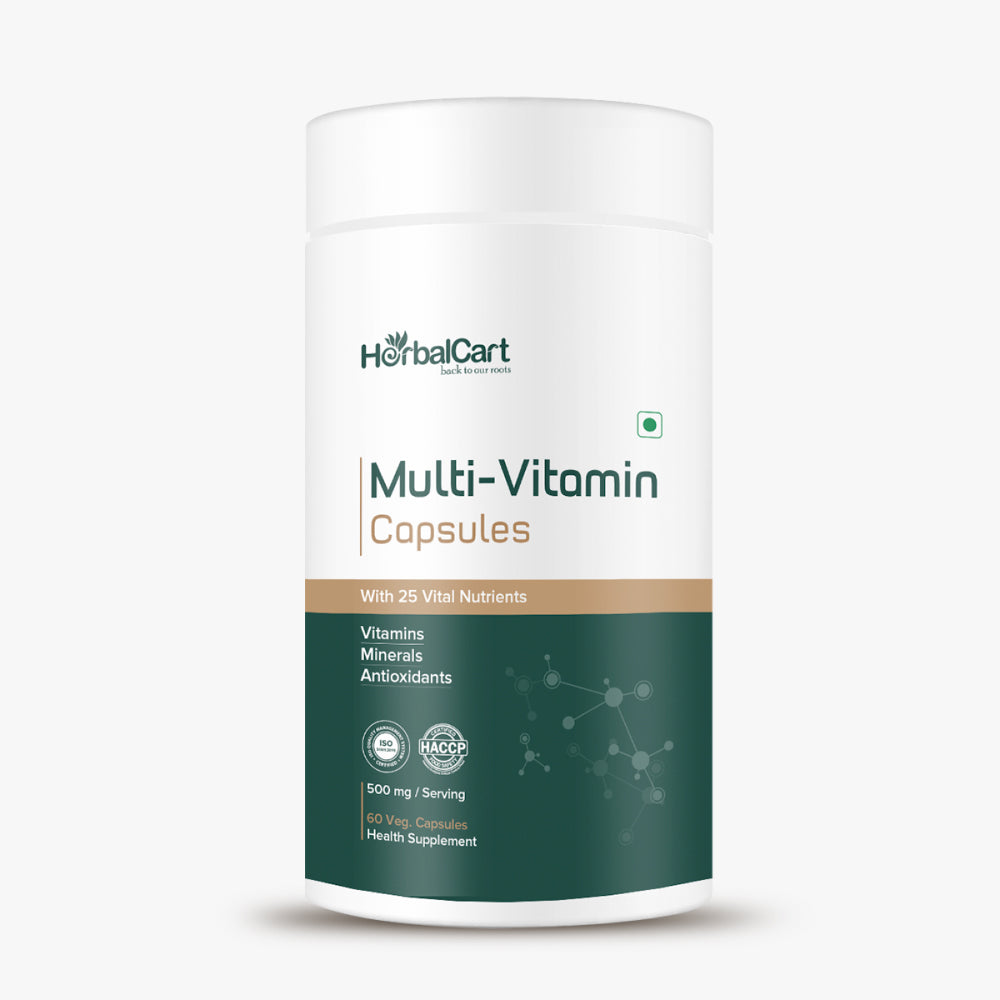
Multivitamin - Can help cover micronutrient gaps, though whole foods should be your primary source. Benefits: minor, mainly insurance against deficiencies.
Vitamin D - Particularly important if you have limited sun exposure. Benefits: supports bone health and mood, research is solid.
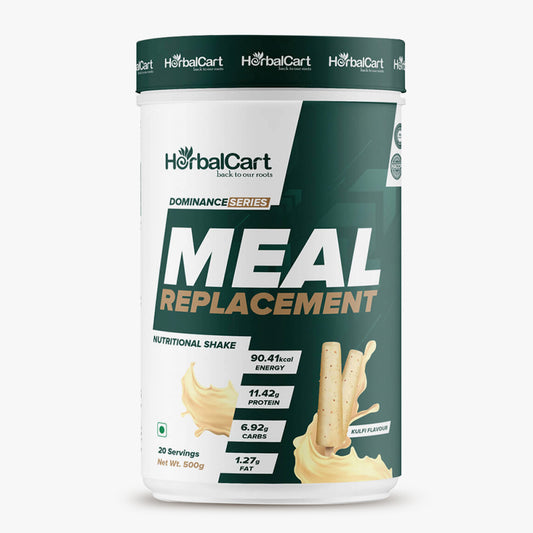
Protein Powder - Convenient for hitting protein targets when whole foods aren't available. Benefits: convenience, nothing magical. Whey, casein, or plant-based all work if you hit your protein goal.
Creatine Monohydrate - One of the most researched supplements. Benefits: modest improvements in strength and muscle when combined with training (requires 8+ weeks of consistent use). Cost: inexpensive.
Important Note About Trending Supplements:
Some supplements are heavily marketed with claims that exceed current human research. Be skeptical of any supplement claiming to "dramatically" boost metabolism, "activate" cellular repair, or guarantee specific results. Most human studies on supplements show modest benefits at best. Consistent training and adequate nutrition will always produce far greater results than any supplement.
Food Choices and Strategies
Best Protein Sources for 2500 Calorie Diet
Lean Meats (lowest fat):
- Chicken breast (31g protein, 165 cal per 3.5 oz)
- Turkey breast (29g protein, 135 cal per 3.5 oz)
- Lean ground beef 93% (24g protein, 180 cal per 3.5 oz)
- Pork tenderloin (27g protein, 140 cal per 3.5 oz)
Fish (protein + healthy fats):
- Salmon (25g protein, 280 cal per 3.5 oz)
- Tilapia (26g protein, 128 cal per 3.5 oz)
- Cod (20g protein, 82 cal per 3.5 oz)
- Tuna (29g protein, 140 cal per 3.5 oz)
Dairy (versatile):
- Greek yogurt non-fat (20g protein, 100 cal per 7 oz)
- Cottage cheese non-fat (28g protein, 110 cal per 1 cup)
- Eggs (6g protein, 70 cal per egg)
- Milk (8g protein, 150 cal per cup)
Plant-Based:
- Chicken breast alternatives (20-25g protein, 150-180 cal)
- Lentils (18g protein, 230 cal per cup cooked)
- Tofu (15g protein, 150 cal per 3.5 oz)
- Tempeh (19g protein, 195 cal per 3.5 oz)
Carbohydrate Strategy at 2500 Calories
At 2500 calories with 250g carbs daily, you have flexibility for both complex and refined carbohydrates:
Pre-Workout (1-2 hours before):
- Simple carbs: Rice, bagels, white bread, honey, sports drinks
- Why: Rapid glycogen replenishment for training energy
Post-Workout (within 2 hours):
- Combination: Simple carbs + protein
- Why: Replenishes depleted glycogen, signals muscle-building response
Meals Without Training:
- Complex carbs: Brown rice, oats, whole wheat, sweet potatoes
- Why: Sustained energy, fiber for satiety and digestion
General Rule: 70% of carbs from whole food sources, 30% from refined sources is flexible and sustainable.
Healthy Fat Incorporation
At 2500 calories with 56g fat daily, you can include satisfying fat sources without worrying about excess:
Daily Fat Sources:
- Cooking oils: 2-3 tsp (olive oil, coconut oil)
- Fatty fish: 3-4 times weekly
- Nuts and seeds: 1-2 oz daily
- Avocado: 0.5-1 daily
- Nut butters: 1-2 tbsp daily
- Whole eggs: 2-3 daily
This allows actual enjoyment of food without fat phobia—a sustainable approach long-term.
Practical Implementation: Shopping and Meal Prep
Weekly Shopping Strategy
Proteins to buy in bulk:
- 4 lbs chicken breast
- 2 lbs lean ground beef
- 2 lbs ground turkey
- 2 lbs salmon or white fish
- 2 dozen eggs
- 32 oz Greek yogurt
Carbohydrate staples:
- 5 lbs potatoes/sweet potatoes
- Brown rice (3 lbs dry)
- Oats (2 lbs dry)
- Whole wheat bread
- Pasta (white and whole wheat)
- Fresh fruits (bananas, apples, berries)
Vegetables and produce:
- 3-4 lbs broccoli
- 2 lbs mixed vegetables
- Leafy greens (spinach, lettuce)
- Bell peppers, tomatoes, onions
- Mushrooms, carrots
Healthy fats:
- Olive oil
- Nuts (almonds, walnuts)
- Avocados
- Natural nut butter
- Seeds
Beverages:
- Coffee beans
- Green tea
- Water (obviously)
Meal Prep Efficiency (3 hours on Sunday)
Step 1: Cook proteins (1 hour)
- Bake 4 lbs chicken breast
- Brown 2 lbs ground beef
- Bake 2 lbs salmon
- Boil 2 dozen eggs
Step 2: Prepare carbohydrates (45 minutes)
- Cook 3 cups dry rice (makes 9 cups cooked)
- Cook 2 cups dry oats
- Bake 8 medium potatoes
- Cook pasta
Step 3: Prep vegetables (45 minutes)
- Chop vegetables for salads
- Steam broccoli
- Roast mixed vegetables with olive oil
Step 4: Portion into containers (30 minutes)
- Divide proteins into meal portions
- Divide carbs into portions
- Pre-package vegetables
Result: 5-6 days of grab-and-go meals. Assembly takes 5 minutes—protein, carb, vegetable, done.
Dining Out at 2500 Calories
With 2500 calories, you have flexibility for dining out occasionally:
Restaurant strategy:
- Choose lean protein (chicken breast, fish, lean beef)
- Request double vegetables instead of fries
- Take half the meal home (controls portions)
- Avoid heavy sauces
- Estimate portions: palm-sized protein, fist-sized carbs, open-hand vegetables
Typical restaurant meal: 600-800 calories Account for it: Reduce other meals by 300-400 calories Result: Maintain deficit while enjoying social dining
Supporting Nutrition for Optimal Results
Foods to Avoid While Pursuing Weight Loss
Understanding the worst foods for anti-aging is crucial during deficit phases. These foods sabotage results:
Liquid calories:
- Sugary beverages (soda, sweetened lattes)
- Alcohol (calorie-dense with minimal satiety)
- Fruit juice (high calories, low fiber)
Ultra-processed foods:
- Fast food (calorie-dense, nutritionally sparse)
- Fried foods (inflammatory, calorie-dense)
- Candy and desserts (no satiety, empty calories)
These foods are easy to overeat and provide no nutritional benefit. At 2500 calories, you don't have calories to waste on low-quality nutrition.
Best Foods for Anti-Aging During Weight Loss
Incorporating top foods for an anti-aging diet ensures you look good as you lose weight:
- Leafy greens: Spinach, kale (vitamins K, C, antioxidants)
- Berries: Blueberries, strawberries (anthocyanins, resveratrol)
- Fatty fish: Salmon (omega-3s reduce inflammation)
- Colorful vegetables: Bell peppers, carrots (carotenoids)
- Nuts: Walnuts, almonds (healthy fats, vitamin E)
- Green tea: Antioxidants, slight metabolism boost
At 2500 calories with high protein and whole foods, your body composition improves while your skin, hair, and overall appearance actually improves through the diet phase.
Staying Healthy: Foods When Illness Strikes
While maintaining diet focus, health remains priority. Reference best foods to eat when sick for guidance:
If illness occurs during your diet phase:
- Maintain adequate protein (immune function)
- Don't obsess over calories (recovery is priority)
- Include vitamin C sources (immune support)
- Stay hydrated
- Consume warm, easy-to-digest foods
- Return to full training only after recovery
A few days of higher calories for recovery won't derail weeks of progress. Health comes first.
Optimal Beverage Choices
Your beverages significantly impact results. Review healthy drinks for optimal choices:
Best choices:
- Water (at least 3-4 liters daily)
- Black coffee (boosts metabolism, appetite suppressing)
- Green tea (antioxidants, slight metabolism boost)
- Herbal tea (no calories, supports hydration)
- Sparkling water (satisfying, hydrating)
Occasional options:
- Protein shakes (convenient, low-calorie protein)
- Low-calorie sports drinks (during intense cardio)
Avoid:
- Soda and sugary beverages
- Fancy coffee drinks (50+ grams sugar)
- Fruit juice
- Regular alcohol (or severely restrict)
The right beverage choices make a 200+ calorie difference daily—equivalent to 1.5 pounds monthly weight loss difference.
Comparing Caloric Approaches
1200 Calorie vs. 2500 Calorie Diet
The 1200 calorie diet 7-day meal plan works for some (particularly women seeking rapid loss), while 2500 caters to different goals:
| Factor | 1200 Calories | 2500 Calories |
|---|---|---|
| Weekly fat loss | 2-3 lbs | 0.5-1.5 lbs |
| Muscle preservation | Poor | Excellent |
| Energy for training | Low | High |
| Long-term sustainability | Low | High |
| Hormonal health | Compromised | Maintained |
| Social life difficulty | High | Low |
| Best for | Rapid loss phase | Sustainable loss |
Choose based on priorities: speed (1200) vs. sustainability and muscle (2500).
Conclusion: Why 2500 Calories Is the Sustainable Approach
The 2500 calorie diet represents a paradigm shift from "how much can I restrict" to "how little can I restrict while still achieving results." This subtle difference changes everything.
At 2500 calories, you're not fighting constant hunger. You're not sacrificing muscle mass. You're not experiencing energy crashes during workouts. You're not isolating yourself from social situations. You're simply eating like a normal, active person while creating a modest caloric deficit.
The results come slower than extreme restriction, but they're more sustainable. You build the habits that support long-term health, not just short-term weight loss. You maintain your training intensity, supporting muscle growth alongside fat loss. Your body composition improves—you lose fat while looking more muscular, not simply lighter.
For active individuals, athletes, and anyone prioritizing both fat loss and quality of life, 2500 calories represents the sweet spot. It's aggressive enough for meaningful results (0.5-1.5 pounds weekly fat loss), yet flexible enough for sustainability and social life.
Start with this caloric level. Follow the meal plans provided. Combine with resistance training and moderate cardio. Track your progress. After 8-12 weeks, assess results and adjust. Most will find that at 2500 calories with consistency, they achieve remarkable transformations while maintaining health, energy, and enjoyment of food.
The best diet is one you can follow consistently. At 2500 calories, consistency becomes easy because the diet feels sustainable, the food is satisfying, and the results speak for themselves.
Key Takeaways
✓ 2500 calories creates 200-500 calorie deficit for most active men, resulting in 0.5-1.5 pounds weekly fat loss
✓ High protein intake (250g daily) preserves muscle mass during deficit
✓ Adequate carbohydrates (250g daily) support training intensity and recovery
✓ This caloric level maintains hormonal health better than extreme restriction
✓ Simple meal plans with protein, carbs, and vegetables make adherence effortless
✓ Combining 2500 calories with resistance training produces optimal body composition results
✓ Sustainability trumps speed—2500 calories is maintainable long-term
✓ Anti-inflammatory foods and skin-supporting nutrients ensure you look good while losing weight
✓ Social flexibility at this caloric level improves long-term adherence
✓ Results take 8-12 weeks to fully manifest, but are exceptional when combined with training
Disclaimer: This article provides educational information about 2500 calorie nutrition and meal planning. It is not medical advice. Consult with a healthcare provider or registered dietitian before starting any new diet, especially if you have health conditions, take medications, or have special nutritional needs. Individual results vary based on genetics, training consistency, sleep quality, stress management, and overall lifestyle factors. Always prioritize your health and wellbeing over arbitrary caloric targets.