



Have you lately found yourself biting nails in stressful situations? Is restlessness happening to you every now and then? Or do you find it difficult to concentrate at work of late? If yes, you share your condition with anxiety patients. High time you gain knowledge about anxiety disorders and symptoms, as it is a serious but often neglected health issue.
Common people to celebs, anxiety disorders have not spared anyone. It is surprising to see how many people still remain oblivious to their widespread results that affect millions of lives, including their own.
The biggest of misconceptions prevailing about anxiety is that it gets cured without any treatment. Occasional incidences of getting anxious, like moving to a new place, starting a new job, are normal but it seeks due attention and more than anything safe treatment when anxiety bouts are intense and perpetual. Understanding the difference between normal anxiety and anxiety disorder is need of the hour.
This post covers different significant areas related to anxiety like the kinds of anxiety, signs and symptoms, and natural remedies such to treat the condition from its root. Let us throw light on each one of them one by one.
What Are Anxiety Disorders?
If you are wondering what are anxiety disorders, think of them as a group of mental health conditions in which fear, worry or nervousness becomes excessive, long-lasting and hard to control. Everyone feels anxious at times. It is the body's natural alarm system. In an anxiety disorder, however, that alarm keeps ringing even when there is no real danger, and it begins to interfere with work, relationships, sleep and everyday routines.
Normal Anxiety vs. Anxiety Disorder
A simple way to tell the two apart:
- Normal anxiety is linked to a specific situation, is in proportion to it, and fades once the situation passes.
- An anxiety disorder shows up often, feels intense, lasts for months, is difficult to switch off and starts to disturb daily life.
For example, feeling nervous before a job interview is normal. Feeling dread about everyday things for most days of the month, with no clear reason, is a sign worth discussing with a doctor.
Why Awareness Matters
Many people brush off anxiety as "just stress" or "overthinking." Because of this, they suffer silently for years. The sooner you recognise the signs, the sooner you can make healthy changes, talk to a professional and find the support that suits you.
Types Of Anxiety Disorders

Reportedly, approximately 40 million American adults are affected by anxiety disorders every year, the figure equals 18% of the country’s adult population. Also, according to American Psychiatric Association, women are most likely exposed to these disorders than their male counterparts. To understand anxiety in detail, it is important to get familiar with the kinds in which it exists. They are similar somewhere but the differences are still noticeable. Read on to discover them.
1. Panic disorder-
This specific category experiences terror accompanied by a panic attack. During attack, you may sweat, feel chest pain and palpitations. Palpitations experienced are strong in intensity, so much so that they are often confused with heart attack.
2. Social anxiety disorder-
It is also known as social phobia. This is when a person feels overwhelmed about day-to-day life situations. People become self-conscious to an extreme degree and perceive others talking about them, judging them and feel embarrassed.
3. Specific phobias-
This is characterized by having intense fear of certain object(s) or situations like heights or water. This fear reaches at an abnormal level and people avoid ordinary situations.
4. Generalized anxiety disorder-
It relates to the condition of feeling excessive and unrealistic worry and tension about trivial matters.
List of Anxiety Disorders at a Glance
Looking for a quick list of anxiety disorders? Here is a simple snapshot recognised by mental health professionals:
- Generalized anxiety disorder (GAD): constant, excessive worry about everyday matters
- Panic disorder: repeated and unexpected panic attacks
- Social anxiety disorder: intense fear of being judged or embarrassed
- Specific phobias: extreme fear of a particular object or situation
- Agoraphobia: fear of places where escape or help may feel hard to find
- Separation anxiety disorder: distress when away from loved ones
- Selective mutism: inability to speak in certain social settings, usually seen in children
The first four are explained above. The remaining three are also well recognised, so they are worth knowing if you or someone close to you is struggling.
Symptoms And Indications That Point Towards Anxiety

Symptoms and Indications That Point Towards Anxiety
Sometime or other in their lives, celebs like Ariana Grande, Demi Lovato and Karamo Brown have seen their world going upside down due to anxiety. However, they were never ashamed of telling their truth to the society. They, on the contrary, make their best efforts to tell people they are not alone who are suffering from anxiety.
So that you don't live with it all through your life, it is important to have a good idea of the common symptoms. People, who find themselves relating with more than one or two signs, can consult doctor to clarify their doubts.
1. Excessive Worrying
This is the most common symptom of anxiety disorders. People in this condition tend to get disproportionately worried about normal life situations. When worrying occurs for most of the days over a stretch of six months of period, it is then considered as a symptom of anxiety. The worrying thing gets so intense that the person finds it difficult to concentrate on anything and is unable to perform even simplest of tasks.
2. Restlessness
When a person is more than anxious and his/her condition falls in the category of disorder, he/she remains restless for most days over a period of six months. This feeling of restlessness is explained by someone who has experienced it as the uncontrollable urge to move.
3. Fatigue
Getting abnormally tired without any reason is a sign that you are getting overtly anxious about things in life and this point towards the disorder. Though it remains ambiguous that when fatigue is associated with chronic anxiety and when it follows a panic attack, a form of anxiety disorder.
4. Difficulty in Focusing
Lack of concentration happens to most of the anxiety patients. They are so much lost in stories and things from the past that they neglect their present surroundings. As a result, their short-term memory gets affected. They don't recall things that happened to them of late.
5. Tense Muscles
It is difficult to relate tense muscles with these disorders. It is possible that tense muscles are result of prolonged anxiety or it might work other way around. It is even possible that there is a third participant that's causing both. But the fact of the matter is anxiety is usually accompanied by tense muscles.
6. Falling Asleep Is Troublesome
A person having anxious and hyperactive mind needs to rest but his/her condition does not let him/her fall asleep easily. In fact, staying asleep becomes difficult for the person. It has been observed over time that anxiety and insomnia are closely related. By treating the disorder, sleep problems are also addressed.
7. Irrational Fears
Developing phobia or extreme fear of something or situation is a signature sign of anxiety disorders. The person would fear spider or swimming to a dreaded level. This feeling is so intense that it hinders the person's normal functioning. Common phobias include animal phobias, situational phobias, natural environment phobias and blood-injection-injury-phobias.
Other Common Signs of Anxiety You May Notice
Anxiety does not look the same in everyone. Besides the seven signs above, people also report:
- Physical signs: racing heartbeat, sweating, trembling, dry mouth, stomach discomfort, headaches, dizziness
- Emotional signs: feeling on edge, a sense of dread, irritability, feeling overwhelmed
- Behavioural signs: avoiding people or places, constant reassurance-seeking, procrastination, nail biting
Having one or two of these now and then does not mean you have an anxiety disorder. What matters is how often they appear, how strong they are and whether they disturb your daily life
Risk Factors Causing Anxiety Disorders

Multiple researches conducted by APA (American Psychiatric Association) have not found anything concrete when it comes to explaining what causes anxiety. Renowned scientists and psychiatrists decipher that it is a combination of under-mentioned factors that cause anxiety disorders.
1. Environmental Factors
Surroundings of a person can contribute to anxiety disorders. Going through a breakup or tense relationship, workload or bad relation with the boss, financial burdens, etc. can increase anxiety. Also, low levels of oxygen can make the problem worse.
2. Genetic Factors
Getting overtly anxious is in one’s genes. Parents transfer the anxiety genes to their offspring. A person with a family history of anxiety disorders is more exposed to have one.
3. Medical Factors
Some medical conditions can inflict an anxiety disorder. These include side-effects of some medicines, symptoms of a disease; they however, do not directly affect the person but might cause pain, restricted movement etc.
4. Brain Chemistry
Undergoing stress or trauma, a person may react vigorously due to alternation of brain structure. Mood disorders are often related with hormonal disruptions by psychologists and neurologists.
Other Triggers Worth Knowing
Apart from the factors above, everyday triggers can set off or worsen anxiety symptoms:
- Too much caffeine or energy drinks
- Alcohol or smoking
- Irregular sleep and long working hours
- Constant social media and news exposure
- Skipping meals or a poor diet
- Major life changes such as moving cities, losing a job or loss of a loved one
Spotting your own triggers is the first step towards managing them.
How Are Anxiety Disorders Diagnosed and Treated?
There is no single test for anxiety. A doctor or mental health professional usually asks about your symptoms, how long you have had them and how they affect your life. They may also advise a few basic tests to rule out other conditions, such as thyroid problems, that can feel similar to anxiety.
Treatment is personalised, and commonly includes one or more of the following:
- Talk therapy: Cognitive behavioural therapy (CBT) helps you understand and change anxious thought patterns.
- Medication: In some cases, a doctor may prescribe medicines. These should only be taken under medical supervision.
- Lifestyle changes: Exercise, better sleep, balanced meals and reduced caffeine.
- Relaxation practices: Meditation, breathing exercises and yoga.
- Natural supplements: Many people use herbs as a gentle supportive step alongside the above.
Natural remedies are best seen as support, not a replacement for professional care when anxiety is severe.
When Should You See a Doctor?
Please do not wait it out if you notice any of the following:
- Worry or fear that lasts for weeks or months and feels out of control
- Panic attacks, especially if you are unsure whether the chest pain is anxiety or a heart problem
- Anxiety that affects your job, studies, relationships or sleep
- Avoiding places, people or activities because of fear
- Thoughts of harming yourself. In this case, contact your local emergency number or a crisis helpline immediately
Reaching out for help is a sign of strength, not weakness.
Prevention and Herbal Cure

Healthy habits and switching from sedentary lifestyle can help anxiety to some extent. But when they are coupled with natural and generally well-tolerated remedies, they give great relief to the people suffering from any form of the anxiety disorders. Natural supplements containing the given below effective ingredients work on most of the symptoms of disorder and help to sustain a normal and healthy life.
Some of the items in the list start working right from the first use or consumption, while some others take some time before giving long term results.
Tip: Herbs can interact with prescription medicines and may not suit everyone, especially during pregnancy or breastfeeding. Check with your doctor before starting any supplement. To explore the range in detail, you can read this complete guide on anxiety disorders.
1. Chamomile
Using this as a supplement or brewing a cuppa chamomile tea helps to calm down in the jittery moment. Some components found naturally in chamomile are believed to have a mild calming effect on the mind. Researches suggest that consumption of chamomile supplements for eight weeks significantly reduces symptoms of anxiety.
2. Green Tea
Besides serving sundry other health purposes, your favorite cup of green tea is capable of soothing your agitated and anxious brain. Staying alert and relaxed can be achieved with the consumption of L-theanine. Drinking 5 cups of green tea is what is required to have the desired quantities of L-theanine.
3. Hops
Beer lovers set your spirit high. It is true that hops are found in beer too. But sorry to say beer consumption is far away from beneficial for treating any of the disorders discussed above. It is not expected from a brew to have the same medicinal effects as you get it in extracts and tinctures.
4. Valerian
Unlike other supplements like L-theanine which reduces your anxiety without making you sleepy, Valerian aids insomnia. It contains sedative compounds and hence it must not be consumed while leaving for work but at night. Also, it does not smell very pleasant and hence, is available in the form of capsules and tinctures.
5. Lemon Balm
It comes with a history of curing stress & anxiety. Since the Middle ages, Lemon balm has helped people stay calm, alert and sleep. It is available in the market in form of tea, capsule and tincture. Many herbal stores sell it in a combined form with other herbs like Chamomile, Valerian and Hops.
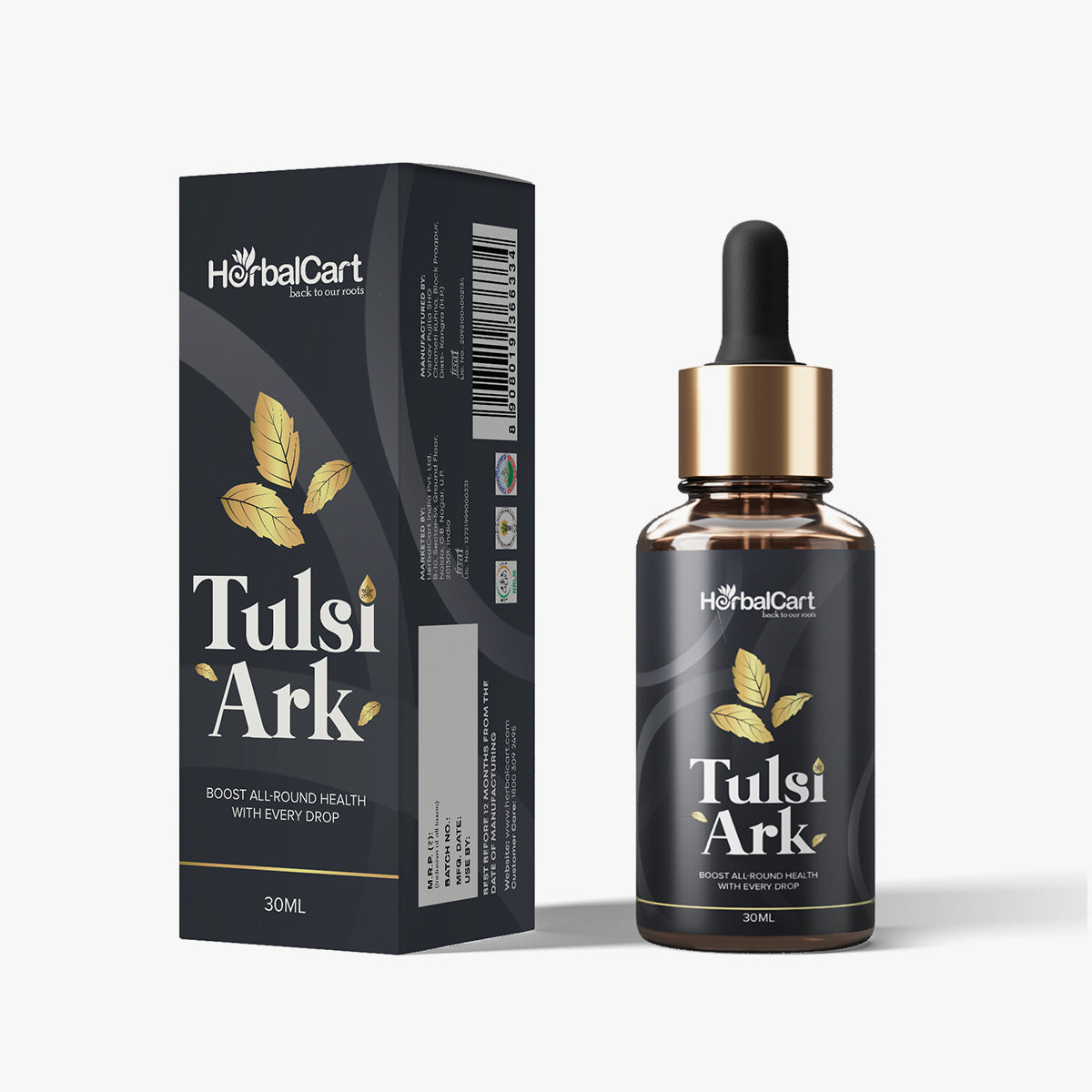
If you are looking for more herbal options, you can also explore Tulsi Ark, a holy basil leaf extract, or browse HerbalCart's range of general health supplements.
Simple Daily Habits That Help Ease Anxiety
Supplements work best when paired with small, steady habits:
- Stay active: A 20 to 30 minute walk, yoga or any exercise you enjoy can release tension.
- Practise deep breathing: Breathe in slowly for four counts, hold, and breathe out for six. Repeat for a few minutes.
- Keep a sleep routine: Go to bed and wake up at the same time, and keep screens away before sleeping.
- Limit caffeine and alcohol: Both can make anxious feelings stronger.
- Eat regular, balanced meals: Low blood sugar can worsen jitteriness.
- Write it down: Journaling helps you notice patterns and triggers.
- Connect with people: Talking to a trusted friend, family member or counsellor lightens the load.
- Take digital breaks: Step away from news and social media when you feel overwhelmed.
How to Support a Loved One With Anxiety
If someone close to you is struggling, small gestures matter:
- Listen without judging or rushing to fix things
- Avoid saying "just relax" or "it is all in your head"
- Encourage them to talk to a doctor or therapist
- Be patient, because progress is rarely a straight line
- Look after your own wellbeing too
Take Home Message

There is not one underlying reason for anxiety and disorders and hence it is more difficult to face off the situation. Staying physically active, practicing meditation and treating yourself with natural supplements can improve your condition to great extent.
If you want to read more, you can find many more health guides on the HerbalCart blog. And remember, anxiety is common, manageable and nothing to be ashamed of.
Medical disclaimer: This content is for educational purposes only and does not replace professional medical advice, diagnosis or treatment. Always consult a qualified healthcare provider before starting any supplement or changing your treatment plan.