

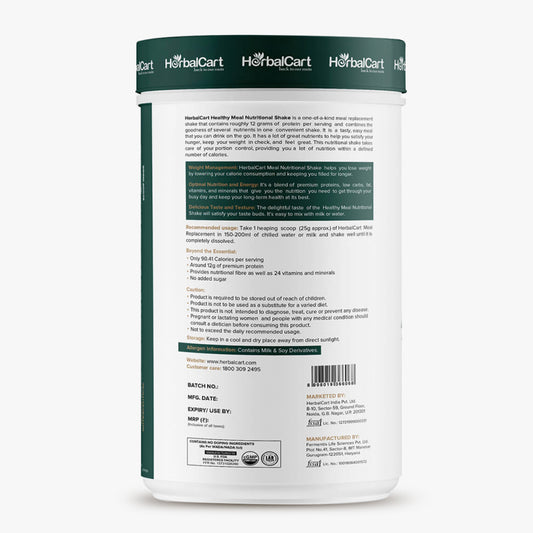

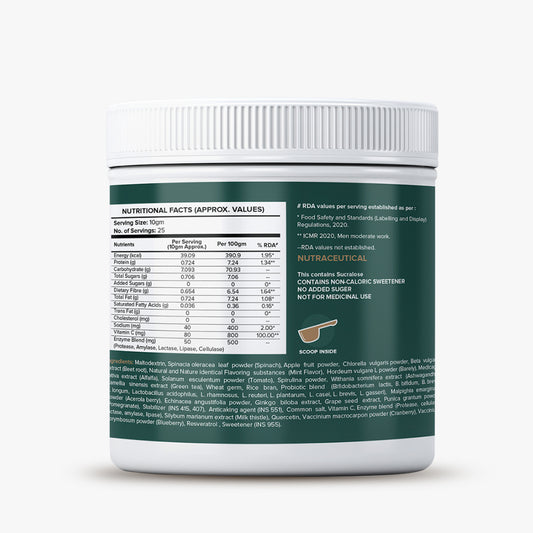

Protein powder has become one of the most popular health supplements for people trying to build muscle, lose weight, improve recovery, or simply increase daily protein intake.
But one question still confuses many people:
What is the best time to take protein powder?
Some fitness enthusiasts drink it right after workouts. Others prefer it in the morning, while some take it before bed for overnight muscle recovery.
After researching all day & night across all platforms, we’ve found that most research suggests there’s no single perfect time to take protein powder. The best timing depends on your goals, activity level, and overall daily protein intake.
In this guide, we’ll explain:
-
Morning vs night protein
-
Pre-workout vs post-workout protein
-
Protein timing for muscle gain
-
Best timing for weight loss
-
Common mistakes people make
-
Easy ways to use protein powder daily
Let’s break it down in simple language.
Why Protein Is Important
Protein helps stimulate muscle protein synthesis, the process your body uses to repair and build muscle tissue after exercise. It plays a major role in keeping your body healthy and strong. If you want to understand the science behind protein in more detail, read what protein does for your body.
Your body uses protein to:
-
Build and repair muscles
-
Support workout recovery
-
Maintain healthy skin and bones
-
Keep you full for longer
-
Support metabolism and energy
When daily meals don’t provide enough protein, protein powder can be a quick, convenient solution.
Popular protein powder types include:
-
Whey protein
-
Casein protein
-
Plant-based protein
-
Soy protein
-
Pea protein
Is There Really a Best Time to Take Protein Powder?
The truth is simple:
Meeting your daily protein intake matters more than exact timing.
However, protein timing can still help depending on your goals.
-
A higher-protein breakfast may help reduce cravings and improve fullness throughout the day.
-
Post-workout protein supports recovery.
-
Night protein may help overnight muscle repair
-
Pre-workout protein may reduce muscle breakdown
So instead of chasing the “perfect” time, it’s smarter to choose the timing that fits naturally into your daily routine.
Best Time to Take Protein Powder for Muscle Gain
Post-Workout Is the Most Popular Choice
If your goal is building muscle, taking protein after exercise is one of the most effective and practical options.
After strength training, your muscles need amino acids to recover and rebuild.
Benefits of Post-Workout Protein
-
Supports muscle recovery
-
Helps repair muscle tissue
-
Replenishes amino acids
-
Convenient after gym sessions
-
Supports muscle growth goals
While the traditional ‘anabolic window’ may not be as narrow as once believed, consuming protein within a few hours after training can support muscle recovery and growth.
Best Protein Option
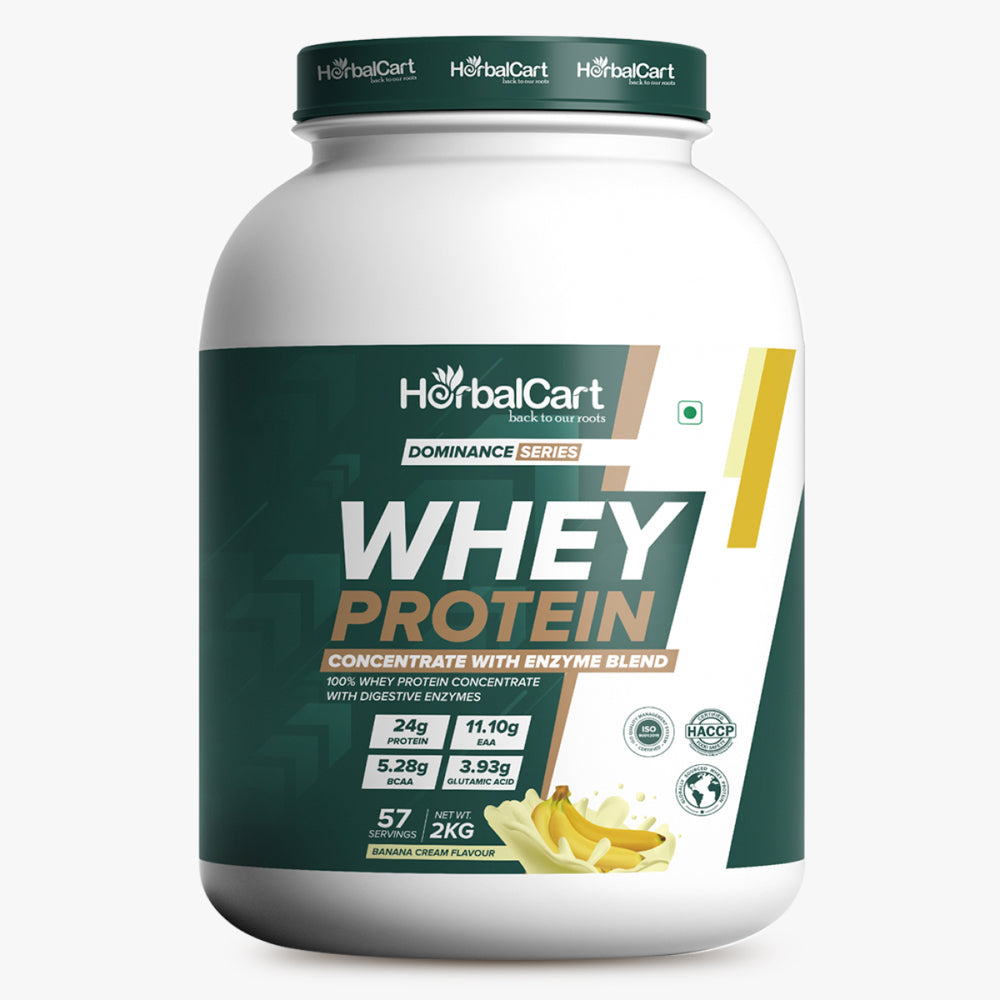
Whey protein is commonly used after workouts because it digests quickly. You can also explore Whey Protein Concentrate Powder for post-workout recovery and muscle support.
Best Time to Take Protein Powder for Weight Loss
Morning Protein Can Help Control Hunger
If your goal is fat loss or appetite control, taking protein powder in the morning can be helpful.
A high-protein breakfast often keeps people full longer than sugary breakfast foods.
Benefits of Morning Protein
-
Helps reduce cravings
-
Improves fullness
-
Supports stable energy
-
May reduce unnecessary snacking
-
Helps maintain muscle during weight loss
Many people notice they snack less during the afternoon when breakfast contains enough protein.
Easy Morning Protein Ideas
-
Protein smoothie with oats and banana
-
Protein mixed into oatmeal
-
Greek yogurt with protein powder
-
Protein pancakes
-
Coffee protein shake
If you struggle to hit your daily protein goals while traveling or working long hours, these best high-protein fast food options may help you stay on track.
Best Time to Take Protein Powder Before Bed
Night Protein Supports Recovery
Taking protein before sleep has become increasingly popular among athletes and gym-goers.
Casein protein digests slowly, which may help provide amino acids throughout the night.
Benefits of Night Protein
-
Supports overnight muscle recovery
-
Helps reduce muscle breakdown
-
May support muscle maintenance
-
Helpful after evening workouts
This approach may especially help:
-
Athletes
-
Active adults
-
Older adults trying to preserve muscle
-
People are training late in the evening
Should You Take Protein Before a Workout?
Pre-workout protein may still provide benefits, especially if you haven’t eaten for several hours.
Combining protein with carbohydrates before exercise may help:
-
Support energy levels
-
Reduce muscle breakdown
-
Improve workout performance
-
Help maintain stable blood sugar
Good Pre-Workout Protein Snacks
-
Banana with whey protein shake
-
Oats and protein smoothie
-
Toast with a protein drink
-
Yogurt with fruit and protein powder
However, carbohydrates are usually more important for energy during workouts than protein alone.
Morning vs Night Protein: Which Is Better?
The best timing depends on your goal.
|
Goal |
Best Time |
|
Weight Loss |
Morning |
|
Muscle Recovery |
Night |
|
Muscle Gain |
Post-Workout |
|
Appetite Control |
Morning |
|
Recovery After Evening Workout |
Before Bed |
|
Busy Lifestyle |
Anytime Consistent |
The biggest factor is consistency.
Does Protein Digest Faster at Certain Times?
Protein absorption changes depending on what you consume with it.
Faster Absorption
Protein mixed with:
-
Water
-
Juice
-
Sports drinks
usually digests faster.
Slower Absorption
Protein mixed with:
-
Milk
-
Oats
-
Chia seeds
-
Nut butter
-
High-fiber foods
will digest more slowly.
Slower digestion is not necessarily bad. In fact, it can help improve fullness and provide more stable energy.
If you are confused about digestion speed and absorption, check out how much protein your body can absorb.
Common Protein Powder Mistakes
1. Depending Only on Protein Shakes
Protein powder should support your diet, not replace balanced meals completely.
Whole foods still provide:
-
Fiber
-
Vitamins
-
Minerals
-
Healthy fats
2. Taking Too Much Protein
More protein is not always better.
Your body also needs carbohydrates, healthy fats, hydration, and micronutrients.
3. Ignoring Daily Protein Intake
Daily consistency matters more than obsessing over exact timing.
4. Choosing Low-Quality Protein Powders
Some protein powders contain:
-
Excess added sugar
-
Artificial fillers
-
Poor-quality ingredients
Always check labels carefully.
Many people also compare different protein sources before choosing a supplement. Here’s a helpful comparison of bone broth protein vs whey protein.
Common Protein Powder Myths
-
Protein powder is only for bodybuilders
-
More protein always means more muscle
-
Protein damages the kidneys in healthy people
How Much Protein Do You Need?
Protein needs vary depending on:
-
Activity level
-
Age
-
Fitness goals
-
Body weight
-
Muscle mass
Active individuals usually require more protein than sedentary adults.
If you are unsure about your needs, speaking with a registered dietitian can help.
Easy Ways to Add Protein Powder to Your Diet
One reason protein powder is so popular is its convenience.
You can easily add it to:
-
Smoothies
-
Oatmeal
-
Pancake batter
-
Muffins
-
Yogurt
-
Overnight oats
-
Energy bites
-
Coffee drinks
This makes it easier to increase protein intake without complicated meal preparation.
My Experience with Protein Timing
After experimenting with protein timing for several months, the biggest lesson was simple:
Consistency matters more than perfection.
On busy days, a morning protein smoothie helped reduce cravings for junk food. After intense workouts, post-workout protein improved recovery. And during evening gym sessions, a lighter protein shake before bed felt easier on digestion.
Instead of stressing over the “perfect” timing, building a routine that fits your schedule is usually more realistic and sustainable.
Final Thoughts
There is no single perfect time to take protein powder.
The best timing depends on your:
-
Fitness goals
-
Workout schedule
-
Eating habits
-
Lifestyle
Here’s the simple breakdown:
-
Morning protein may help with fullness and weight management
-
Post-workout protein supports muscle recovery and growth
-
Night protein may support overnight repair
-
Pre-workout protein may reduce muscle breakdown
At the end of the day, your total daily protein intake matters more than exact timing.
Focus on consistency, balanced meals, regular exercise, and healthy long-term habits.
Frequently Asked Questions
Is it better to take protein powder before or after a workout?
Post-workout protein is commonly recommended for muscle recovery, but both timings can be effective.
Can I take protein powder every day?
Yes, most healthy adults can safely consume protein powder daily as part of a balanced diet.
Can protein powder help with weight loss?
Protein may help reduce hunger and improve fullness, which can support weight management.
Is whey protein better than plant protein?
Both can work well. The best option depends on your dietary preferences, digestion, and health goals.
Can I take protein powder at night?
Yes. Many people use protein before bed to support overnight muscle recovery.
When is the best time to take protein powder?
The best time to take protein powder depends on your fitness goals and daily routine. For muscle gain, many people prefer taking protein after workouts to support recovery and muscle growth. For weight loss or appetite control, a morning protein shake may help keep you full longer. Some people also take protein before bed to support overnight muscle recovery. Ultimately, meeting your daily protein needs consistently is more important than exact timing.
Who Can Benefit from Protein Powder?
-
Gym beginners
-
Athletes
-
Busy professionals
-
Older adults
-
Vegetarians and vegans
Who Should Be Careful with Protein Supplements?
People with kidney disease or certain medical conditions should speak with a healthcare professional before increasing protein intake.
What should I mix with protein powder?
You can mix protein powder with:
-
Water
-
Milk
-
Smoothies
-
Oats
-
Yogurt
-
Coffee
-
Fruits
Choose based on your nutrition goals and taste preferences.
Quick Summary
|
Goal |
Best Protein Timing |
|
Build Muscle |
After Workout |
|
Lose Weight |
Morning |
|
Recovery |
Before Bed |
|
Convenience |
Anytime |
|
Reduce Cravings |
Morning |
Protein timing can help, but daily consistency is what truly makes the biggest difference.
References
-
Journal of the International Society of Sports Nutrition
-
American College of Sports Medicine
-
Harvard T.H. Chan School of Public Health