



Protein is one of the three major macronutrients your body depends on every day, along with carbohydrates and fats. Unlike fat, your body does not store protein in a dedicated reserve system, which means you need a steady intake from your daily diet to support essential functions like muscle repair, enzyme activity, and overall cellular health.
According to the 2025–2030 Dietary Guidelines for Americans and USDA MyPlate standards, protein intake should generally meet the baseline requirement of 0.8 grams per kilogram of body weight per day for most healthy adults. Individual needs may vary based on age, activity level, and health goals.
In simple terms, protein is not optional—it is a daily requirement for keeping your body functioning efficiently.
Protein as a Macronutrient: Why It Matters
Protein is made up of amino acids, often described as the “building blocks” of the body. These amino acids are used to build and repair tissues, create enzymes, and support hormone production.
Since your body does not store protein the way it stores fat or carbohydrates, consistent intake throughout the day is important. This is why most nutrition experts in the US emphasize spreading protein intake across meals rather than consuming it all at once.
Core Benefits of Protein for the Body
1. Supports Muscle Growth and Maintenance
One of protein’s most well-known roles is supporting muscle protein synthesis, the process your body uses to repair and build muscle tissue.
This is important not only for athletes but for everyday life. Walking, lifting groceries, exercising, and even posture all rely on healthy muscle function.
Adequate protein intake helps:
-
Maintain lean muscle mass
-
Support recovery after physical activity
-
Promote strength as you age
This is especially important for older adults, as natural muscle loss can occur with age.
2. Helps Support Satiety and Weight Management
Protein plays a key role in helping you feel full after meals. Compared to simple carbohydrates, protein digests more slowly, which can help reduce frequent snacking and support healthier eating patterns.
From a dietary perspective, this supports:
-
Better appetite control
-
Reduced overeating tendencies
-
More stable daily energy levels
When paired with balanced meals under USDA MyPlate recommendations, protein can be a helpful part of a healthy weight management plan.
3. Supports Bone Health
While calcium is often highlighted for bone health, protein also plays an important role. Bones are made not only of minerals but also of a protein matrix that provides structure.
Adequate protein intake helps:
-
Maintain bone strength
-
Support bone repair processes
-
Work alongside calcium and vitamin D for overall skeletal health
4. Essential for Enzymes and Hormones
Protein is required for the production of enzymes and hormones that regulate many body functions, including:
-
Digestion
-
Metabolism
-
Blood sugar balance
-
Mood regulation
-
Cellular repair processes
These systems rely on a consistent supply of amino acids to function properly.
5. Supports Skin, Hair, and Overall Tissue Health
Proteins such as collagen and keratin are essential for maintaining:
-
Skin elasticity and repair
-
Hair strength and structure
-
Nail health and growth
A balanced protein intake helps support natural tissue renewal and overall appearance from within.
Nutrient-Dense Protein Sources (US Diet Focus)
A healthy protein plan is not just about quantity—it is about quality and nutrient density.
Lean Animal-Based Proteins
-
Skinless chicken breast
-
Turkey
-
Eggs
-
Fish (salmon, tuna, sardines)
-
Low-fat dairy (Greek yogurt, milk, cottage cheese)
These options provide complete amino acid profiles along with essential nutrients like B vitamins and iron.
Plant-Based Complete Proteins
-
Soy products (tofu, tempeh, edamame)
-
Quinoa
-
Buckwheat
-
Chia seeds (when combined with other foods)
-
Hemp seeds
Plant proteins can be highly effective when eaten as part of a varied diet.
Other plant sources like lentils, beans, nuts, and whole grains also contribute significantly to daily protein intake, even if not always “complete” on their own.
Protein Supplements: What You Should Know
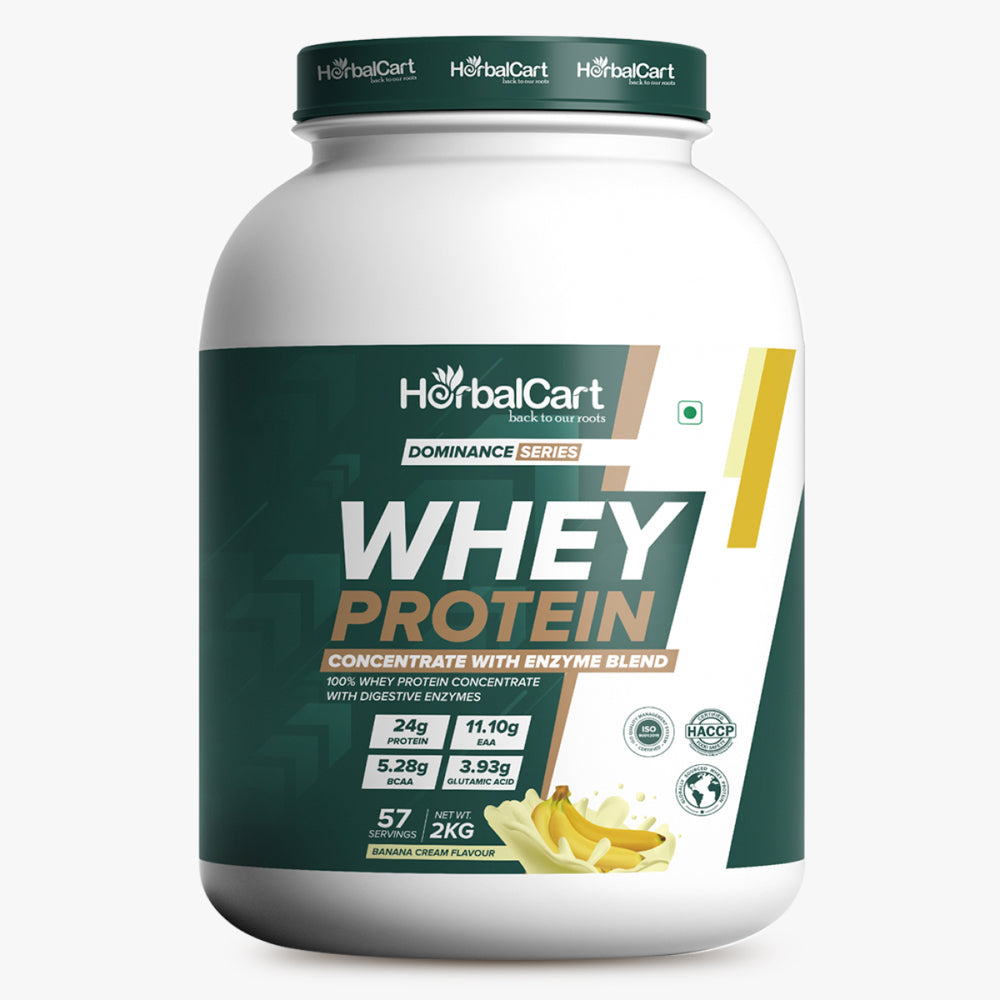
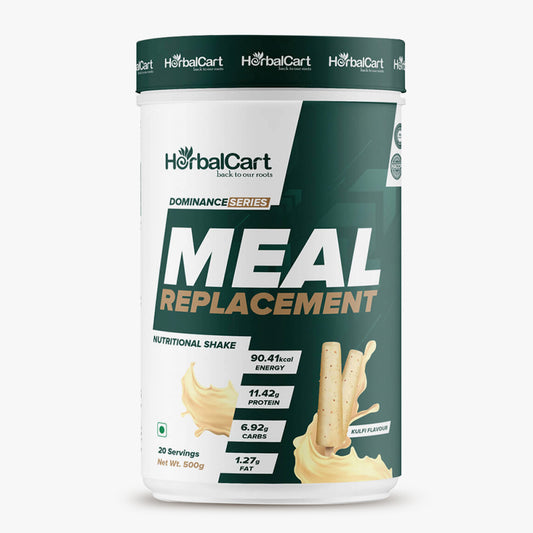
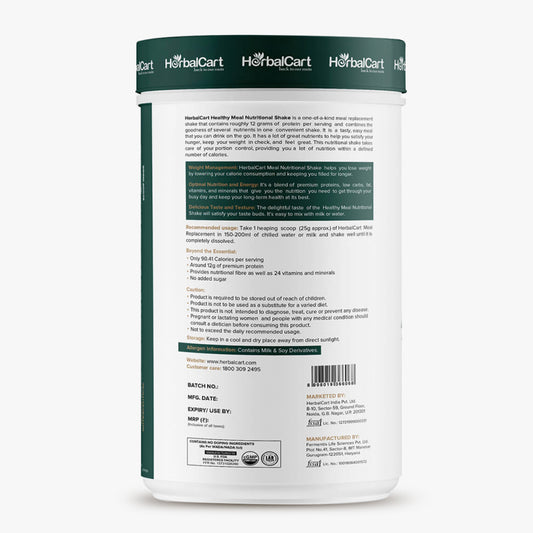
Protein powders such as whey, casein, pea, or soy protein are widely used in the US as convenient dietary supplements.
It is important to understand:
-
These products are classified as foods, not drugs
-
They are not FDA-approved for safety or effectiveness before marketing
-
Quality can vary between brands
To make safer choices, consumers are often encouraged to look for third-party testing certifications such as:
-
USP (United States Pharmacopeia)
-
NSF Certified for Sport
These certifications help verify product quality, purity, and label accuracy.
Signs You May Not Be Getting Enough Protein
Low protein intake over time may be associated with:
-
Persistent fatigue
-
Slow recovery after activity
-
Increased hunger or cravings
-
Weak or brittle nails
-
Thinning hair
-
Reduced muscle strength
These signs are not specific to protein deficiency alone but may indicate an imbalanced diet.
Easy Ways to Increase Protein Intake
-
Add eggs or Greek yogurt to breakfast
-
Include beans or lentils in lunch bowls
-
Snack on nuts, seeds, or cottage cheese
-
Use tofu or chicken in dinner meals
-
Combine grains and legumes for plant-based balance
-
Spread protein evenly across all meals
Small, consistent changes are more effective than drastic diet shifts.
Common Myths About Protein
Myth 1: Only athletes need protein
Protein is essential for everyone, not just fitness enthusiasts.
Myth 2: More protein always means more muscle
Muscle growth also depends on exercise, recovery, and overall nutrition.
Myth 3: Plant protein is incomplete or ineffective
A well-planned plant-based diet can fully meet protein needs.
Frequently Asked Questions (FAQ)
1. How much protein do I need daily?
Most adults need about 0.8g per kg of body weight, but active individuals may require more depending on lifestyle and goals.
2. Can I get enough protein from a vegetarian diet?
Yes. Foods like lentils, beans, tofu, quinoa, nuts, and seeds can provide sufficient protein when eaten in variety.
3. Is protein important for weight loss?
Protein can support weight management by promoting fullness and helping maintain lean muscle during calorie control.
4. Are protein supplements necessary?
Not necessarily. Whole foods are usually enough, but supplements can be helpful for convenience when needed.
5. When is the best time to eat protein?
Spreading protein intake throughout the day—breakfast, lunch, and dinner—is generally most effective.
Conclusion
Protein is a fundamental nutrient that supports nearly every system in the body—from muscles and bones to enzymes and hormones. Following the Dietary Guidelines for Americans (2025–2030) and building balanced meals aligned with USDA MyPlate can help ensure adequate intake without overcomplication.
By choosing a mix of lean animal proteins and nutrient-dense plant sources, you can naturally support energy, strength, and long-term health in a sustainable way.
Medical Disclaimer
This article is for educational and informational purposes only and is not intended as medical advice. It should not be used to diagnose, treat, cure, or prevent any disease or health condition. Always consult a qualified healthcare professional or registered dietitian before making changes to your diet, supplement use, or health routine.