



If you've spent any time browsing the longevity aisle, you've probably noticed two names popping up over and over: resveratrol and pterostilbene. They sound like cousins, they get lumped together in the same sentence constantly, and honestly, most articles online just skim the surface and move on. That's not what you're getting here.
This guide breaks down what each compound actually is, how they behave once they're inside your body, where they overlap, where they genuinely differ, and how to decide which one (or both) makes sense for your goals. Along the way, we'll also touch on a question that comes up almost as often as the resveratrol-vs-pterostilbene debate itself — the difference between regular resveratrol and its more talked-about sibling, trans-resveratrol.
Let's get into it.
A Quick Introduction to Both Compounds
Resveratrol and pterostilbene both belong to a family of plant compounds called stilbenes, which themselves fall under the broader polyphenol umbrella. Plants don't produce these molecules for fun — they're defensive chemicals, synthesized in response to stress, UV exposure, fungal attack, or physical injury. When we consume them, we end up benefiting from some of that same protective machinery.
Resveratrol is the more famous of the two. It's the compound behind the so-called "French Paradox," the observation that a diet heavy in saturated fat didn't seem to translate into the cardiovascular disaster researchers expected, largely thanks to regular red wine consumption. Grape skins, blueberries, peanuts, and Japanese knotweed are the usual sources, with knotweed being the go-to for commercial supplements because of its unusually high concentration.
Pterostilbene, on the other hand, is basically resveratrol's structural relative. Chemically, it's almost identical, except it has two methoxy groups replacing two hydroxyl groups on the resveratrol molecule. That might sound like a minor detail, but it changes the compound's behavior in a meaningful way. Pterostilbene is naturally found in blueberries and, more concentrated, in the bark and leaves of certain trees. It's less studied than resveratrol simply because it arrived on the supplement scene later, but the research that does exist is promising.
The Core Difference: Bioavailability
If there's one thing that separates these two compounds in almost every conversation among researchers and formulators, it's absorption.
Resveratrol has a well-documented bioavailability problem. Your gut actually absorbs a decent portion of what you swallow, but your liver and intestines metabolize it almost immediately, leaving only a small fraction of the active compound free to circulate in your bloodstream. This is exactly why pairing it with a fat source, or combining it with absorption enhancers like piperine, has become such a common recommendation.
Pterostilbene doesn't have this issue to nearly the same degree. Those two methoxy groups make the molecule more lipophilic (fat-loving) and more resistant to rapid metabolic breakdown. In practical terms, that means a higher percentage of what you take actually makes it into circulation, and it tends to stay active in the body longer. Some researchers estimate its half-life is significantly longer than resveratrol's, which theoretically allows for more consistent blood levels throughout the day.
This is one of pterostilbene's biggest selling points. It's not necessarily "more powerful" milligram for milligram in every single pathway, but it doesn't get wasted the way a chunk of your resveratrol dose does.
How They Work Inside the Body
Both compounds interact with similar cellular pathways, which is part of why they get compared so often.
SIRT1 activation. Sirtuins are often described as the "quality control" proteins of the cell — they regulate DNA repair, control inflammation-related gene expression, and influence how efficiently your cells manage energy. Resveratrol binds to and activates SIRT1, and pterostilbene appears to do something similar, though the research base here is thinner simply because fewer human trials have been run.
AMPK activation. This is your body's internal energy sensor. When it detects that cellular energy is running low, it kicks off processes that mimic the effects of caloric restriction — essentially nudging your metabolism into a more efficient mode. Resveratrol has strong evidence here, and pterostilbene shows comparable activity in preclinical research.
Antioxidant and anti-inflammatory activity. Both compounds neutralize free radicals and appear to dial down NF-κB signaling, which is the genetic switch responsible for churning out pro-inflammatory molecules. This is where their skin, cardiovascular, and general "anti-aging" reputations come from.
The honest takeaway is this: the mechanisms overlap heavily, but resveratrol has the deeper, more extensive body of human clinical evidence behind it simply because it's been studied for far longer. Pterostilbene's mechanisms look similar in lab and animal studies, but there's less direct human trial data confirming the same magnitude of effect.
Resveratrol's Track Record
Resveratrol's biggest strength is the sheer volume of research behind it. Human studies have looked at doses ranging anywhere from 5 mg all the way up to 5,000 mg per day, with 500 mg emerging as the most commonly used dose across clinical trials, and most study groups landing at or under 1 gram daily.
The areas where resveratrol shows the most consistent human evidence include:
- Cardiovascular support — helping maintain healthy blood vessel function and supporting nitric oxide production, which plays a role in blood pressure regulation.
- Inflammation management — suppressing inflammatory signaling pathways tied to chronic, low-grade "inflammaging."
- Skin health — resveratrol shows up constantly in skincare formulations because of its ability to calm redness, support collagen, and help even out skin tone. If you want the full breakdown of how it interacts with skin specifically, this guide on resveratrol for skin benefits and uses covers it in more depth than we have room for here.
- Metabolic and cognitive support — some smaller studies in older adults have shown improvements in cerebral blood flow and modest cognitive benefits with consistent daily use.
Resveratrol also comes with a well-mapped safety and timing profile, which matters a lot if you're someone who wants a predictable daily routine rather than guesswork. If you're curious about how timing actually affects absorption — morning versus night, with food or without — there's a detailed piece on the best time to take resveratrol that walks through the human data on fasting versus fed-state absorption.
Pterostilbene's Track Record
Pterostilbene is newer to the mainstream supplement world, which means its research base, while promising, is smaller. What exists so far points to a few standout areas:
- Cognitive support — some of the earliest interest in pterostilbene came from animal studies showing improvements in memory and motor function, which sparked curiosity about its neuroprotective potential in humans.
- Blood sugar and lipid support — a handful of studies have suggested pterostilbene may help support healthy cholesterol levels and insulin sensitivity, though this research is still developing.
- Antioxidant longevity — because it lingers in the bloodstream longer than resveratrol, some researchers argue it may provide more sustained antioxidant coverage throughout the day rather than a quick spike and decline.
The tradeoff is that pterostilbene simply hasn't been through anywhere near the number of large-scale human trials that resveratrol has. That doesn't mean it's less effective — it just means the confidence level around its claims is lower purely because of how much less data exists.
Side-by-Side Comparison
| Factor | Resveratrol | Pterostilbene |
|---|---|---|
| Bioavailability | Lower, metabolized quickly by the liver | Higher, more stable and longer-lasting |
| Half-life | Shorter | Longer |
| Human research volume | Extensive | Growing, but comparatively limited |
| Common dose range | 100 mg – 500 mg (up to 1g in some trials) | Typically 50 mg – 150 mg |
| Strongest evidence areas | Heart health, inflammation, skin, cognition | Cognitive support, lipid balance, sustained antioxidant activity |
| Natural food sources | Grapes, red wine, peanuts, knotweed | Blueberries, tree bark/leaves |
| Taste and stability | Can degrade with light/heat exposure | More chemically stable |
Does One "Win"? Not Exactly
Here's the honest answer: neither compound makes the other obsolete. They're closely related, they hit similar biological targets, and the choice often comes down to what you're prioritizing.
If you want the compound with the deepest research history, the most well-mapped dosing guidance, and documented benefits across cardiovascular, skin, and inflammatory markers, resveratrol is the safer, more established choice. It's also the compound most longevity stacks are built around, frequently paired with NMN or NAD+ boosters.
If absorption efficiency is your main concern, or you're specifically interested in the cognitive and metabolic angle, pterostilbene is worth considering, either as an alternative or as a complement alongside resveratrol. Some formulations actually combine both, theorizing that resveratrol's stronger sirtuin activation paired with pterostilbene's superior absorption creates a more complete antioxidant profile.
Don't Forget: Not All Resveratrol Is Created Equal
Before you even get to the pterostilbene question, there's a more fundamental decision to make — and it's one that trips up a lot of first-time buyers. Resveratrol itself exists in two structural forms: trans-resveratrol and cis-resveratrol.
Trans-resveratrol is the stable, biologically active form used in essentially every meaningful clinical trial. Cis-resveratrol, by contrast, is unstable, breaks down easily when exposed to light or heat, and doesn't interact effectively with your cells. Cheaper, poorly manufactured supplements sometimes contain a higher percentage of the inactive cis form without making that obvious on the label.
This distinction matters just as much as the resveratrol-versus-pterostilbene conversation, arguably more, because if you buy a product loaded with the wrong isomer, you're not getting the benefits either compound is known for in the first place. There's a full comparison covering exactly what separates trans-resveratrol from regular resveratrol, including why absorption, stability, and effectiveness all tilt in favor of the trans form.
The short version: when shopping for either resveratrol or pterostilbene, always check that the label specifically calls out the trans form, and look for third-party testing to confirm purity.
What Happens If You Take Either One Every Day?
Consistency is where these compounds actually earn their reputation. Neither resveratrol nor pterostilbene works like a fast-acting stimulant — there's no immediate jolt of energy or overnight transformation. Instead, both operate on a cumulative timeline.
In the first couple of weeks, the compound is mostly binding to receptors and beginning to activate cellular pathways like SIRT1 and AMPK. Subjectively, most people notice very little at this stage. Somewhere around weeks three through six, mitochondrial efficiency starts to shift, and some people report subtle improvements in morning energy and skin texture. By months two through four, if you're tracking bloodwork, this is typically when measurable changes in inflammatory markers, lipid profiles, or fasting glucose tend to show up.
For a much deeper look at this exact timeline — including what daily supplementation does at the cellular level, how dosage ranges break down for different goals, and which drug interactions and high-risk groups need to be cautious — this guide on what happens if you take resveratrol every day is worth reading in full before you commit to a long-term routine.
Safety Considerations for Both
Generally speaking, both resveratrol and pterostilbene are well tolerated by most healthy adults when kept within standard dosing ranges. That said, a few precautions apply to both compounds:
- Blood thinning medications. Both compounds have mild antiplatelet activity. If you're taking Warfarin, Heparin, or even routine aspirin, combining either supplement with these medications increases the risk of easy bruising or bleeding.
- Surgery. Because of that same blood-thinning effect, it's generally advised to stop supplementation at least two weeks before any scheduled surgical or dental procedure.
- Hormone-sensitive conditions. Resveratrol in particular is a mild phytoestrogen, meaning it can weakly mimic estrogen in the body. Anyone with a history of hormone-sensitive cancers or conditions like endometriosis should talk to a doctor before starting either supplement.
- Digestive sensitivity. Higher doses of either compound, especially resveratrol, can cause mild stomach upset in some people. Taking it alongside food tends to reduce this.
- Mega-dosing risk. More is not automatically better. Extremely high doses of resveratrol (well above 1,000 mg daily) have actually been linked to a "hormetic reversal," where the compound flips from acting as an antioxidant to behaving like a pro-oxidant. Staying within established, moderate ranges is the safer long-term strategy for both compounds.
As always, none of this replaces a conversation with your own healthcare provider, especially if you're on prescription medications or managing an existing condition.
Choosing a Quality Supplement
Whichever compound you land on, quality matters more than almost anything else on this list. A few things worth checking before you buy:
- Confirm the active form. For resveratrol, this means checking that the label specifically states "trans-resveratrol" rather than just "resveratrol." Vague labeling is often a red flag for a cheaper, less effective cis-heavy blend.
- Look for third-party testing. Independent verification of purity and potency adds a layer of accountability that in-house testing alone doesn't provide.
- Consider the packaging. Both compounds are light-sensitive. Products stored in clear bottles or thin packaging are more prone to degradation before they even reach you.
- Think about stacking. Some people pair resveratrol with NMN, since NAD+ availability directly fuels the sirtuin pathways resveratrol activates. Others prefer combining resveratrol with pterostilbene for a broader antioxidant spread.
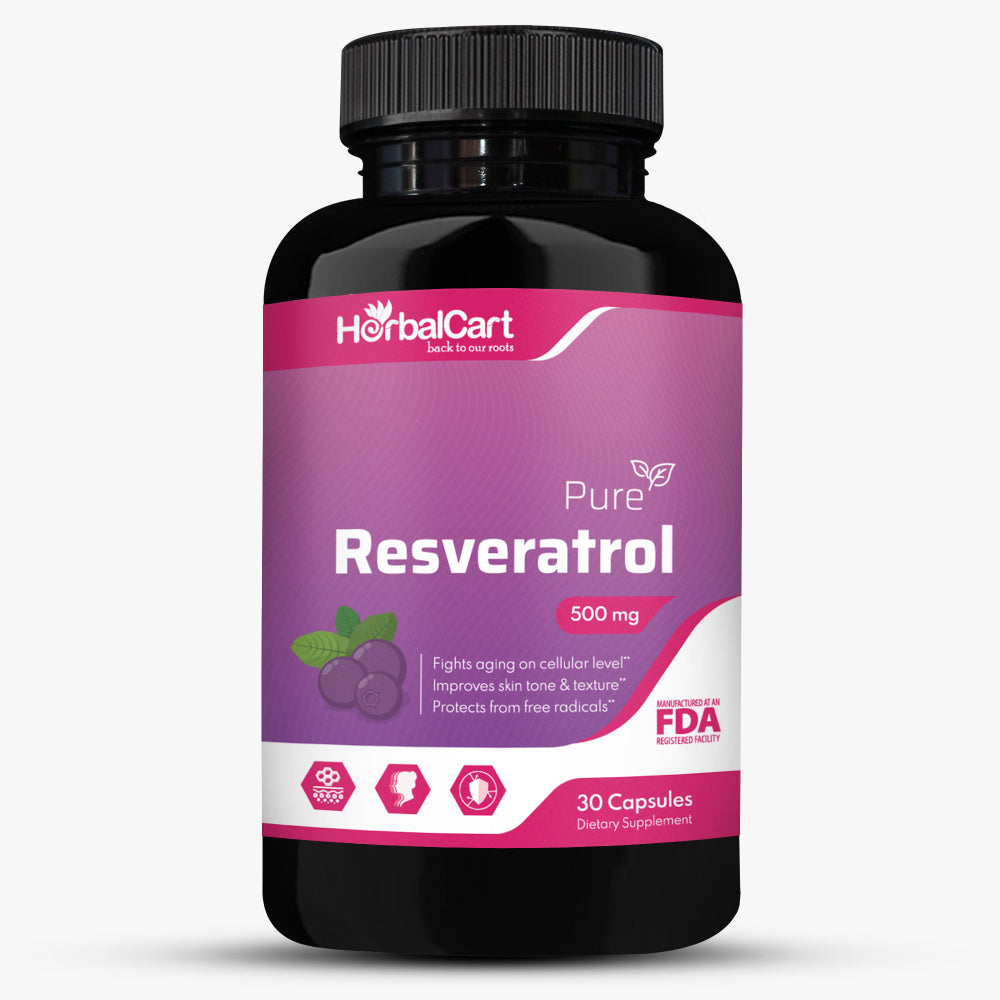
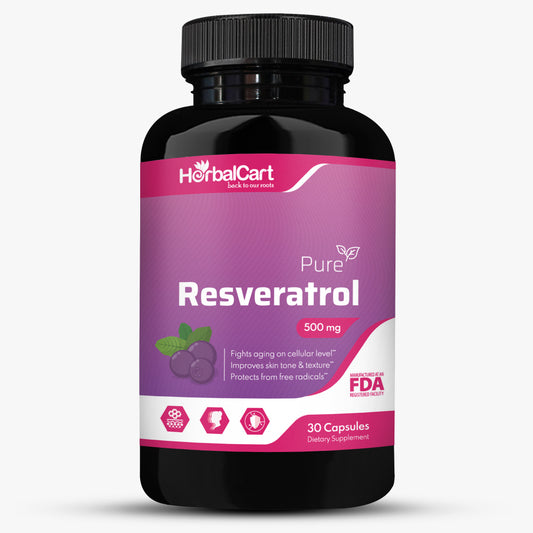
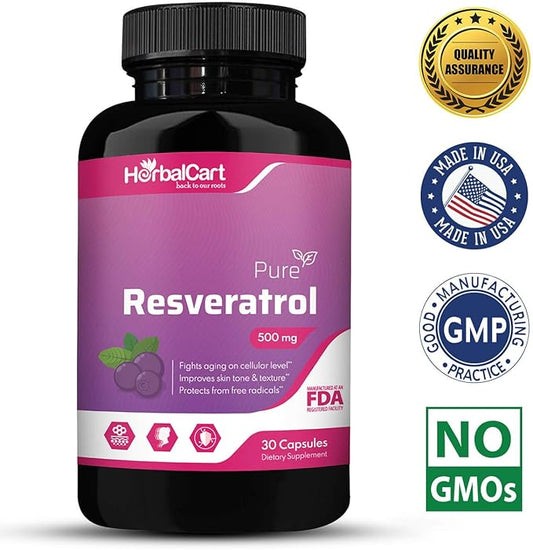
If you're looking for a straightforward place to start, HerbalCart's Resveratrol Supplement is formulated around the standardized, purified form and is a reasonable first step if you'd rather begin with the more thoroughly researched of the two compounds before experimenting with a pterostilbene stack.
So, Which One Should You Actually Pick?
If you're brand new to this category and want the option with the largest body of human evidence, clearer dosing guidance, and a track record across heart health, inflammation, skin, and cognitive support, start with resveratrol — specifically the trans form. It's the more "proven" of the two in the sense that matters most: independently replicated human research.
If you've already been using resveratrol for a while, or you're specifically drawn to the absorption advantage and the cognitive/metabolic angle, pterostilbene is a reasonable next step, either as a replacement or an addition to your existing routine.
And if you're the type who likes to cover multiple bases at once, there's nothing wrong with a combined approach — many people already do this, treating resveratrol as the foundation and pterostilbene as a complementary layer that helps stretch out antioxidant coverage across the day.
Whatever you choose, the fine print matters just as much as the headline ingredient. Read labels carefully, favor tested products, and give your body a realistic multi-month runway before judging whether either compound is working for you.
This article is for informational purposes only and is not a substitute for professional medical advice. Talk to your healthcare provider before starting any new supplement, especially if you take medication or have an existing health condition.