


If you've spent any time scrolling through skincare shelves or beauty forums, you've probably seen resveratrol and retinol mentioned in the same breath. Both are praised as anti-aging heavyweights. Both show up in serums that promise smoother, firmer, more even-toned skin. And because their names sound vaguely similar and they're often marketed side by side, a lot of people end up asking the same question: are these two ingredients basically the same thing, or is one better than the other?
They're not the same thing at all. Resveratrol is a plant-derived antioxidant, while retinol is a vitamin A derivative that works through an entirely different biological pathway. Understanding that distinction matters, because it changes how you should use each one, whether you can combine them, and what kind of results you can realistically expect.
This guide breaks down what each ingredient actually does, how they differ, whether you can safely layer them, and how to build a routine around both if that's the right choice for your skin. As with anything that affects your skin's barrier and cell turnover, this article is meant to inform your decisions, not replace a conversation with a board-certified dermatologist, especially if you have sensitive skin, a diagnosed skin condition, or you're pregnant or breastfeeding.
What Is Retinol, Exactly?
Retinol belongs to a family of compounds called retinoids, all of which are derived from vitamin A. It's considered one of the most well-studied ingredients in skincare, with decades of clinical research behind it. When applied topically, retinol is converted by skin cells into retinoic acid, the active form that actually binds to retinoid receptors and tells skin cells to behave differently.
In practical terms, retinol does a few things:
- Speeds up cell turnover, helping shed dull, dead surface cells faster and reveal fresher skin underneath.
- Stimulates collagen production, which is why it's associated with softening fine lines and improving skin firmness over time.
- Helps regulate oil production and unclog pores, which is part of why prescription-strength retinoids like tretinoin are used to treat acne.
- Improves the appearance of hyperpigmentation and uneven texture with consistent, long-term use.
Retinol is a slow-and-steady ingredient. Most dermatologists will tell you visible changes take at least eight to twelve weeks of consistent use, and often longer for deeper concerns like wrinkles or scarring. It's also one of the ingredients most likely to cause an adjustment period, commonly nicknamed "retinization," which can include dryness, peeling, redness, and increased sun sensitivity, especially in the first few weeks.
Because retinol increases photosensitivity, dermatologists consistently recommend applying it only at night and following up the next morning with a broad-spectrum SPF 30 or higher, regardless of season or skin tone.
What Is Resveratrol, Exactly?
Resveratrol is a naturally occurring polyphenol, a type of plant compound found in the skins of red grapes, certain berries, peanuts, and Japanese knotweed. It first drew widespread attention in the wellness world because of research into its potential internal health benefits, but it has since become a popular topical skincare ingredient largely because of its antioxidant properties. If you want a deeper dive into how it works and where it comes from, this complete guide to resveratrol benefits and uses covers the fundamentals in more detail.
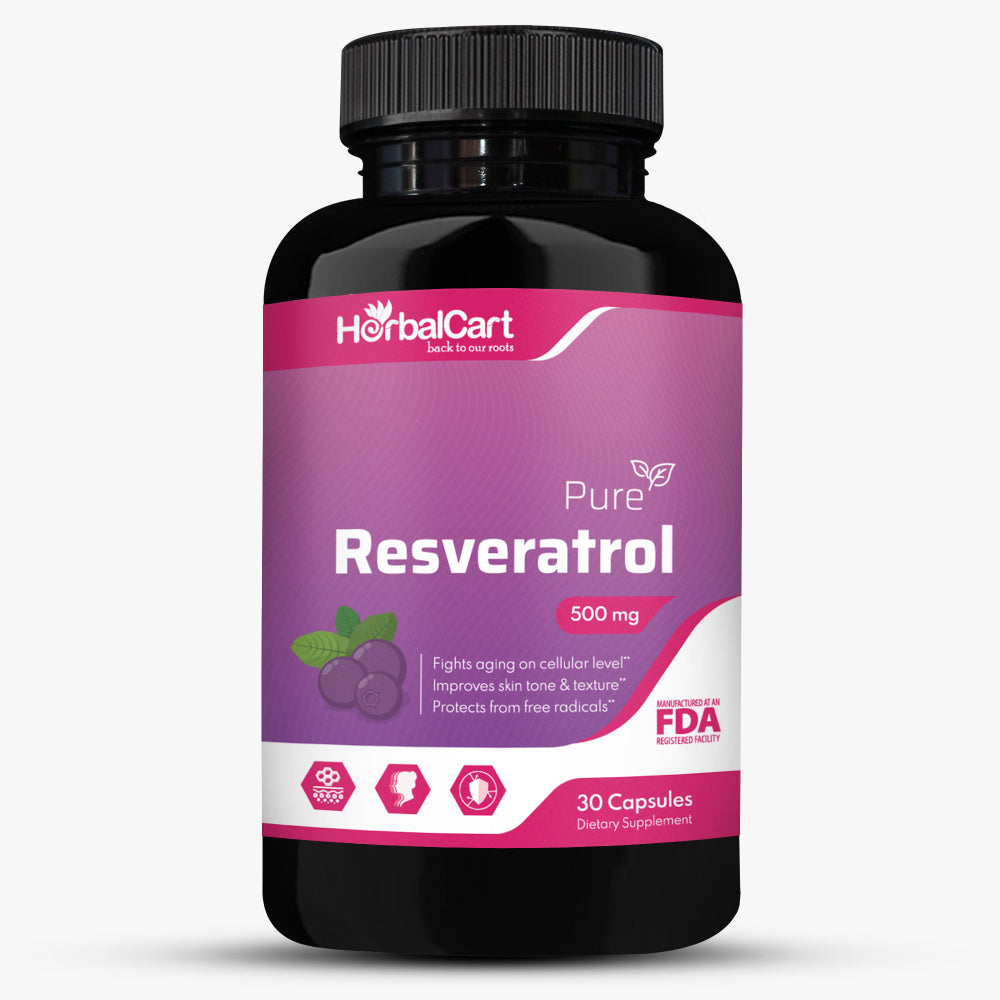
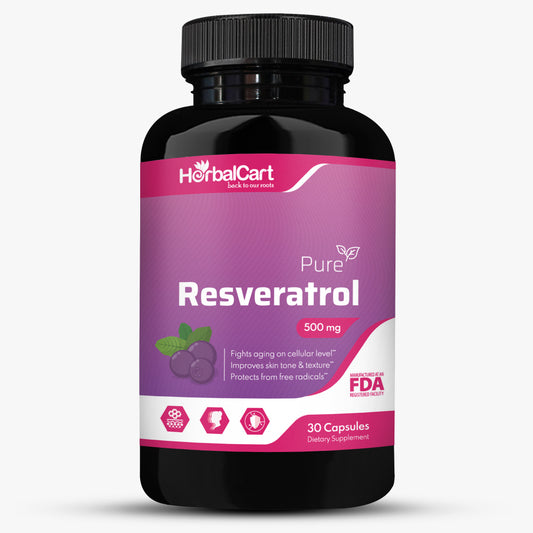
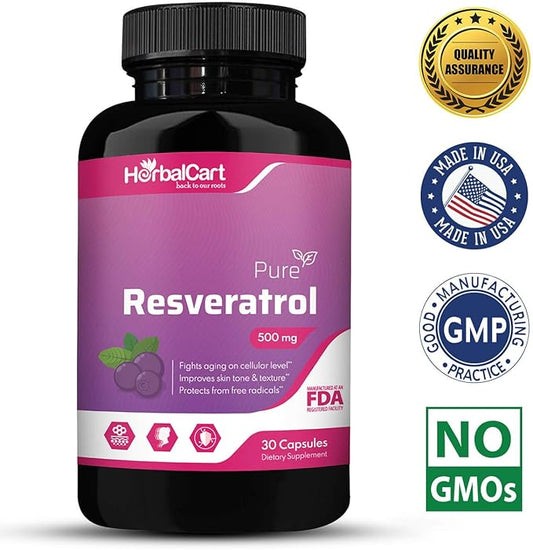
Resveratrol isn't limited to skincare, either. Many people take it as an oral resveratrol supplement to support its antioxidant effects from the inside, in addition to, or instead of, applying it topically.
Unlike retinol, resveratrol doesn't work by accelerating cell turnover or binding to retinoid receptors. Instead, its main job in skincare is to help neutralize free radicals, unstable molecules generated by UV exposure, pollution, and normal metabolic processes that can damage skin cells and break down collagen over time.
Topically, resveratrol is associated with a range of benefits (covered in more depth in this guide to resveratrol for skin), including:
- Protecting skin from environmental and oxidative stress, which can otherwise contribute to premature signs of aging.
- Supporting a more even skin tone, since chronic oxidative damage is linked to dullness and uneven pigmentation.
- Working well alongside other antioxidants, like vitamin C and vitamin E, which is why you'll often see resveratrol serums formulated as antioxidant blends.
- Being generally well tolerated, with a much lower likelihood of irritation compared to retinol, since it doesn't force skin cells to turn over faster.
Resveratrol is considered a supportive, protective ingredient rather than a highly active, transformative one. It won't replicate the specific texture-refining or deep wrinkle-softening effects of retinol, but it plays a valuable role in defending skin against the ongoing damage that leads to aging in the first place.
Resveratrol vs Retinol: Key Differences at a Glance
| Feature | Retinol | Resveratrol |
|---|---|---|
| Category | Vitamin A derivative (retinoid) | Plant-based polyphenol (antioxidant) |
| Primary mechanism | Increases cell turnover, binds retinoid receptors | Neutralizes free radicals |
| Best known for | Fine lines, texture, acne, collagen support | Antioxidant protection, environmental defense |
| Typical time to see results | 8–12+ weeks | Gradual, cumulative protective benefit |
| Irritation potential | Moderate to high, especially when starting out | Generally low |
| Sun sensitivity | Increases photosensitivity; night use only | Does not typically increase photosensitivity |
| Can be used during the day | No, night use recommended | Yes, often paired with morning SPF |
| Pregnancy-safe | Generally avoided; consult your OB or dermatologist | Considered lower risk, but check with a doctor first |
Is Resveratrol a Retinol?
No. This is worth stating clearly because the question comes up often, and the two ingredients are frequently shelved next to each other or bundled into the same "anti-aging" marketing language. Resveratrol is not a retinoid, it is not derived from vitamin A, and it does not work through the same receptor-based pathway that retinol does. The similarity in how they're marketed comes from the fact that both target visible signs of aging, but they do so through completely different biological mechanisms. Retinol is an active ingredient that changes cell behavior; resveratrol is a protective antioxidant that limits damage.
Resveratrol and Retinol Together: Can You Use Both?
Yes, in most cases resveratrol and retinol can be used together, and many formulators actually pair them intentionally. Because they work through different mechanisms, they're generally considered complementary rather than competing or redundant.
There's also a practical reason dermatologists often support combining them: resveratrol's antioxidant activity may help offset some of the oxidative stress and irritation that comes with retinol use, particularly during the adjustment period. Some retinol serums are formulated with resveratrol or other antioxidants already built in for exactly this reason.
That said, "can" doesn't automatically mean "should, right away, at full strength." A few things to keep in mind:
- If you're new to retinol, focus on tolerating the retinol itself first. Introduce it two to three nights a week, and let your skin barrier adjust before layering in additional actives.
- If your skin is already sensitive, compromised, or reactive, adding several active ingredients at once increases the risk of irritation, regardless of how gentle each one is individually.
- Combining products doesn't mean combining strength for strength. A high-percentage retinol next to a high-concentration resveratrol product isn't automatically better; it just means more variables that could cause redness or flaking if your skin isn't ready.
Resveratrol Before or After Retinol?
The most commonly recommended order is to apply resveratrol before retinol, as part of a thinnest-to-thickest, water-to-oil layering approach:
- Cleanse
- Apply a hydrating toner or essence, if you use one
- Apply resveratrol serum (thinner, water-based antioxidant layer)
- Let it absorb for a few minutes
- Apply retinol
- Follow with a moisturizer to help buffer any dryness
- In the morning, always follow up with broad-spectrum sunscreen
Some people prefer to apply resveratrol serums in the morning instead, using them purely as a daytime antioxidant shield alongside vitamin C, and reserve retinol exclusively for nighttime use. Both approaches are reasonable. What matters most is consistency and giving your skin barrier support, not the exact minute-by-minute order.
If you're also taking resveratrol orally as a supplement, timing works a little differently than it does topically. This breakdown of the best time to take resveratrol is a useful reference if you want to get the most out of it internally as well.
If you experience irritation, a simple adjustment is the "sandwich method": apply a light moisturizer first, then retinol, then a second layer of moisturizer, with your antioxidant serum reserved for a separate part of the routine (often the morning). This buffers retinol's intensity without diluting its effectiveness.
Who Should Prioritize Retinol?
Retinol tends to be the better fit if your main concerns are:
- Fine lines and early wrinkles
- Uneven texture or rough patches
- Acne or clogged pores (note: for acne specifically, a derivative like adapalene, available over the counter, is often recommended)
- Visible signs of photoaging you want to actively reverse, not just prevent
Who Should Prioritize Resveratrol?
Resveratrol tends to be the better fit if you're looking for:
- A gentler, daily-use antioxidant that supports long-term skin health
- Extra protection against pollution and UV-related oxidative stress
- A complementary ingredient to pair with retinol, vitamin C, or niacinamide
- An option for sensitive skin that still wants some anti-aging benefit without the adjustment period retinol requires
Safety, Sensitivity, and When to See a Dermatologist
Because both ingredients affect the skin over time, it's worth being cautious rather than aggressive when introducing them, especially retinol.
- Patch test new products on a small area of skin for a few days before applying to your full face.
- Start low and slow with retinol. Lower concentrations, applied a few nights a week, are generally easier for skin to tolerate than jumping straight to daily use of a high-strength formula.
- Always use sunscreen during the day when retinol is part of your routine, since it increases sensitivity to UV damage.
- Avoid combining retinol with other strong exfoliating acids (like high-percentage AHAs or BHAs) in the same routine unless a dermatologist has specifically guided you to do so, since this combination significantly raises the risk of irritation.
- If you are pregnant, trying to conceive, or breastfeeding, talk to your doctor before using retinol, as many providers recommend avoiding topical retinoids during this time out of caution.
- If you have a diagnosed skin condition such as eczema, rosacea, or dermatitis, check with a dermatologist before adding either ingredient, since your skin barrier may need a different approach entirely.
- Persistent redness, burning, or peeling that doesn't improve after a couple of weeks is a sign to scale back frequency or concentration, not push through it.
This article is intended for general informational purposes and isn't a substitute for personalized medical or dermatological advice.
Best Drugstore Retinol Serums Worth Considering
If you're shopping for an accessible, over-the-counter retinol, a few widely recommended and dermatologist-referenced options in 2026 include:
- CeraVe Resurfacing Retinol Serum — often recommended for beginners because it's formulated with ceramides and niacinamide to support the skin barrier while introducing retinol gradually.
- Neutrogena Rapid Wrinkle Repair Retinol Serum — a long-standing drugstore staple frequently mentioned by dermatologists for addressing fine lines and texture.
- Differin Adapalene Gel 0.1% — technically a different type of retinoid (adapalene) rather than retinol itself, but it's available over the counter, dermatologist-recommended, and known for being effective for both acne and general skin renewal with a comparatively lower irritation profile for many users.
- RoC Retinol Correxion line — a budget-friendly option that pairs retinol with hydrating ingredients like hyaluronic acid to offset dryness.
Whichever product you choose, the concentration matters less than consistency and proper introduction. A lower-strength retinol used correctly and consistently will typically outperform a high-strength one applied too aggressively and abandoned after a week of irritation.
The Bottom Line
Resveratrol and retinol aren't competitors, and they aren't interchangeable either. Retinol is an active, cell-turnover-driving ingredient with strong clinical backing for fine lines, texture, and acne, but it requires patience, gradual introduction, and diligent sun protection. Resveratrol is a gentler antioxidant that protects skin from ongoing environmental damage and pairs well alongside retinol or other actives.
If your goal is visible, structural change to fine lines and texture, retinol should be the anchor of your routine. If your goal is long-term protection and you want to support whatever active ingredients you're already using, resveratrol is a smart, low-risk addition. For many people, the most effective approach isn't choosing one over the other, it's using both, introduced thoughtfully and with sunscreen as a non-negotiable daytime step.
Frequently Asked Questions
Is resveratrol a retinol? No. Resveratrol is a plant-based antioxidant (a polyphenol), while retinol is a vitamin A derivative. They belong to entirely different ingredient categories and work through different mechanisms in the skin.
What's the difference between resveratrol and retinol? Retinol speeds up cell turnover and stimulates collagen production by binding to retinoid receptors, making it effective for fine lines, texture, and acne. Resveratrol works as an antioxidant, neutralizing free radicals and protecting skin from environmental damage. One is an active, transformative ingredient; the other is a protective one.
Can you use resveratrol with retinol? Yes, in most routines resveratrol and retinol can be used together safely, and some products are formulated to combine them intentionally. Resveratrol's antioxidant properties may even help offset some of the oxidative stress associated with retinol use. Those new to retinol should still introduce it gradually before layering in additional actives.
Can I use resveratrol and retinol together every day? Retinol is typically recommended for nighttime use only, a few times a week when starting out, building up to nightly use as tolerated. Resveratrol can generally be used daily, morning or evening, since it doesn't carry the same irritation or sun-sensitivity concerns. If you're curious about the effects of consistent daily use, this article on what happens if you take resveratrol every day walks through what to expect over time.
Resveratrol before or after retinol? Most skincare routines apply resveratrol (a lighter, water-based serum) before retinol, following a thinnest-to-thickest layering order. Some people instead reserve resveratrol for a morning antioxidant step and use retinol only at night. Both approaches are considered reasonable.
Can resveratrol be used with retinol if I have sensitive skin? It's possible, but sensitive skin should proceed cautiously. Start with retinol alone at a low frequency, let your skin adjust, and introduce resveratrol once you know how your skin tolerates the retinol. If irritation occurs, simplify your routine and consult a dermatologist.
What is the best drugstore retinol serum? Widely recommended over-the-counter options include CeraVe Resurfacing Retinol Serum, Neutrogena Rapid Wrinkle Repair Retinol Serum, Differin Adapalene Gel 0.1%, and the RoC Retinol Correxion line. The best choice depends on your skin type, tolerance, and specific concerns, so patch testing is recommended regardless of which one you pick.
Does resveratrol have anti-aging benefits like retinol? Resveratrol supports skin health by protecting against oxidative stress, which contributes to premature aging over time, but it doesn't replicate retinol's cell-turnover or collagen-stimulating effects. The two ingredients support anti-aging goals through different, complementary pathways rather than producing identical results.
This article is for general informational purposes only and is not a substitute for professional medical or dermatological advice. If you have specific skin concerns, sensitivities, or are pregnant or breastfeeding, consult a board-certified dermatologist before starting a new skincare ingredient.