



Key Takeaways
- Vitamin D deficiency is common worldwide, including in the United States.
- Sunlight, food and supplements are all valid sources.
- Most people with low vitamin D have no obvious symptoms, so a blood test is the only reliable way to know.
- More is not better: very high doses can be harmful.
- Always speak to a doctor before taking high-dose vitamin D.
Is Vitamin D Deficiency Really That Common?
Millions of people in the United States have low vitamin D levels. Something hard to digest but that’s what the truth is.
Owing to this unfortunate reality, more and more health experts have started taking this ‘very’ vitamin ‘very’ seriously. Though a large share of the population lacks it, people living in areas with less year-round exposure, people with dark skin and those who are overweight are found to be more deficient.
Data from the National Health and Nutrition Examination Survey (NHANES) shows that roughly 4 in 10 US adults have vitamin D levels below 20 ng/mL, a commonly used cutoff for inadequacy. The numbers differ sharply by group. In one widely cited analysis of NHANES data, about 82% of Black adults and 69% of Hispanic adults fell below that level, compared with about 31% of White adults. Truly severe deficiency (below 12 ng/mL) is less common, but still affects a meaningful share of people.
Increase in population of overweight children and adults has been linked with a higher incidence of vitamin D deficiency. Low vitamin D has been associated with a greater likelihood of conditions such as hypertension, some cancers, infectious disorders and autoimmune diseases. It is important to understand that these are associations seen in research. Scientists are still studying whether low vitamin D directly causes these conditions or is simply a marker of poor overall health.
Did You Know? Sunscreen Can Reduce Vitamin D Production
In laboratory conditions, sunscreen with a high SPF can block most of the UVB rays your skin needs to make vitamin D. In real life, however, people usually apply less sunscreen than tested and miss spots, so studies have found only a small effect on vitamin D levels. This is not a reason to skip sunscreen. Protecting your skin from cancer is just as important.
What About India and Other Sunny Countries?
Many people assume that living in a sunny country protects against deficiency. Research suggests otherwise. Studies across India have repeatedly found low vitamin D levels in a large part of the population, including in cities with plenty of sunshine. Common reasons include indoor work, air pollution, clothing that covers most of the skin, darker skin pigmentation, and diets low in vitamin D. So whether you live in the United States, India or anywhere else, sunshine alone does not guarantee healthy levels.
What Is Vitamin D and Why Does Your Body Need It?
Vitamin D is a fat-soluble vitamin that works more like a hormone in the body. Your skin makes it when exposed to UVB rays, and you can also get it from food and supplements. After it is made or absorbed, the liver and kidneys convert it into its active form.
Its best-established roles are:
- Calcium and phosphorus absorption: Without enough vitamin D, your gut absorbs far less calcium from food.
- Bone health: Vitamin D helps bones stay strong. Severe, long-term deficiency causes rickets in children and osteomalacia (soft bones) in adults.
- Muscle function: Muscles need vitamin D to work normally, and low levels can contribute to weakness and a higher risk of falls in older adults.
- Immune function: Immune cells carry vitamin D receptors, and the vitamin plays a role in how the immune system responds. For everyday wellness support, you can also explore our range of immunity supplements.
Vitamin D Deficiency Causes

When a person doesn’t consume sufficient amount of this vitamin or when their body isn’t able to absorb and metabolize it, deficiency is inevitable. Other potential reasons include:
- Living at a high latitude: These locations have less access to ultraviolet-B rays, especially in winter.
- Keeping confined to the indoors: Staying inside too much keeps you away from the sunlight, an excellent source of vitamin D.
- Living in polluted location: Pollution absorbs and scatters the rays of the sun and hence lowers chances of building vitamin D.
- Skin pigmentation: Melanin protects the skin from UV damage, but it also reduces how much vitamin D the skin makes from the same amount of sunlight.
- Sunscreen and clothing: Covered skin cannot make vitamin D. This does not mean you should avoid protection, only that other sources become more important.
- Diet: Vitamin D rich food or food items fortified with it lower possibilities of deficiency.
- Age: With increasing age, the skin’s ability to make the vitamin decreases, and older adults also spend more time indoors.
- Body weight: Vitamin D is stored in body fat, which can make it less available in the blood of people with obesity.
- Gut health: Health issues affecting the gut, such as celiac disease, Crohn’s disease or weight-loss surgery, undermine the ability of the intestine to absorb the vitamin.
- Kidney and liver health: Individuals suffering from kidney and liver diseases have trouble converting vitamin D to its active form and often have low levels.
- Certain medicines: Some anti-seizure drugs, steroids and other medications can interfere with vitamin D metabolism. Ask your doctor if you take long-term medication.
- Pregnancy or breast-feeding: Vitamin D needs rise because of the nutritional demands of an infant or fetus. Breastfed infants also need a supplement, since breast milk is usually low in vitamin D.
Vitamin D & Sunshine

Many people believe that their body acquires vitamin D only through the consumption of fish, milk or supplements such as cod liver oil. In fact, sunlight is the body’s natural way of making this vitamin, and for many people it is one of the main sources.
The amount of sun needed varies widely. Experts commonly mention that around 10-15 minutes of midday sun on the arms and legs, a few times a week, can help people with fair to medium skin tones produce useful amounts of the vitamin. People with dark skin may need longer to make the same amount. The time also depends on where you live, the season, the time of day, how much skin is exposed, and your age.
Why You Should Not Overdo It
Concern for getting tanned or skin damage is obvious when one is under the sun, and it is a valid concern. UV exposure is the leading cause of skin cancer, and dermatology organizations advise against deliberately sunbathing or using tanning beds to raise vitamin D. A safer approach is:
- Keep sun time short and avoid sunburn at all costs.
- Do not skip sunscreen during longer outdoor time. Use broad-spectrum SPF 30 or higher, wear a hat and seek shade.
- If you live far from the equator, remember that in winter the sun’s angle is so low that your skin may make little or no vitamin D, no matter how long you stay outside. In those months, food and supplements matter more.
- Do not rely on sunlight through a window. Glass blocks most UVB rays.
If you have a history of skin cancer, take medicines that make you sun-sensitive, or have very fair skin, speak to a dermatologist before changing your sun habits.
Vitamin D Deficiency Symptoms
Most people with low vitamin D have no symptoms at all, and many of the signs below can have other causes. If several of them sound familiar, do not self-diagnose. Ask a doctor about a blood test. Possible signs include:
- Muscle weakness or pain
- Decreased endurance
- Brittle or thinning bones
- Osteoporosis & frequent fractures
- Back pain
- Getting sick or infected frequently
- Anxiety or depression
- Mood swings
- Hair loss
- High or rising blood pressure
- Impaired wound healing
- Feeling exhausted even after sleeping for enough hours
Muscle pain, bone pain and weakness are the most consistently linked with significant deficiency. Others, such as mood changes or hair loss, are far less specific and are often caused by stress, thyroid problems, iron deficiency or other conditions. If anxiety is your main concern, read this guide on anxiety disorders, symptoms and safe non-drug treatments.
Vitamin D Deficiency in Children
In children, severe deficiency can cause rickets: soft, weak bones, delayed walking, bowed legs, slow growth and bone pain. Babies who are exclusively breastfed and not given a supplement, children with dark skin, and those who rarely play outdoors are at higher risk. Pediatricians usually recommend a daily supplement for infants.
How Is Vitamin D Deficiency Diagnosed?
The only reliable way to know your level is a blood test called 25-hydroxyvitamin D [25(OH)D]. Different labs and medical societies use slightly different cutoffs, but a commonly used guide is:
| 25(OH)D level | What it generally means |
|---|---|
| Below 12 ng/mL (30 nmol/L) | Deficient, with a higher risk of bone problems |
| 12–20 ng/mL (30–50 nmol/L) | Possibly inadequate for some people |
| 20–50 ng/mL (50–125 nmol/L) | Generally adequate for most healthy people |
| Above 50 ng/mL (125 nmol/L) | Possibly too high, with potential concerns at much higher levels |
Not everyone needs testing. Doctors usually recommend it for people with symptoms, bone disease, kidney or liver disease, gut absorption problems, a history of fractures, obesity, or those taking medicines that affect vitamin D. Your doctor will tell you whether testing makes sense for you.
Reversing Vitamin D To Open Doors Of Wellness

The more people you ask, the more ways they tell and the more you feel confused. Without being trapped in any form of dilemma, take a look at the main strategies that are best known to help you reach adequate levels of the vitamin.
1. Adequate sunlight
Already explained above, sunlight is natural and a cost-effective way to maintain vitamin D. Being under the sun helps the body to produce the vitamin on its own. Just remember to balance it with skin safety and your location.
2. Vitamin D rich food
This vitamin is not abundantly found in most of the food items. Luckily, there are certain foods that do contain it and they are:
- Oily fish like pilchards, sardines, herring, salmon and mackerel (tuna also contains some, but usually in smaller amounts, especially canned)
- Fortified foods, meaning foods with added vitamin D, like particular cereals, margarine and infant formula milk
- Egg yolks and some mushrooms exposed to UV light
Some recommendable options include (approximate values, which vary by brand, fish type and preparation):
- Eggs: about 20-45 IU per 1 whole egg
- Cooked salmon: about 360 IU per 3.5 ounces
- Fortified milk: about 100 IU per cup
- Cod liver oil: about 1,360 IU per tablespoon
- Fortified cereal: about 40 IU per ¾-1 cup
Vegetarian and vegan tip: Fortified plant milks, fortified cereals and UV-exposed mushrooms are useful options. Check labels, because fortification differs between products. Be careful with cod liver oil, which is also high in vitamin A, and too much vitamin A can be harmful.
3. Maintenance therapy
Maintenance is something that has to be followed to stay safe from further deficiency in future once apt levels of the vitamin are replenished. Your doctor may suggest a regular lower daily dose, along with sensible sun exposure and a vitamin D-rich diet, and may recheck your blood levels after a few months.
4. High dose medication
Certain liquids or tablets have high doses of vitamin D and are given daily, weekly or monthly. They are known to correct the deficiency faster, especially in growing children and in people with severe deficiency. However, these doses are meant to be taken under medical supervision. Consulting the physician is extremely important before starting the medication, as your doctor will decide the dose, duration and follow-up testing.
5. Standard dose powders, tablets or liquids
These are usually taken for a few months, sometimes up to 12 months, to fill up the deficiency. As they replace the vitamin more slowly, they are best to treat mild deficiency or for prevention purposes. Look for vitamin D3 (cholecalciferol) or D2 (ergocalciferol) on the label, and take it with a meal that contains some fat for better absorption. You can also browse our dietary supplements collection, but always confirm the dose with your doctor first.
6. Injection
For those who cannot take medicines orally, for example because of a gut absorption problem, a doctor may give an injection of vitamin D, and a single dose can keep levels up for several months. Injections should only be given under medical supervision, because incorrect or repeated doses can push levels too high.
What’s The Right Quantity?
The table below shows the Recommended Dietary Allowance (RDA) from the US National Institutes of Health. For infants up to 12 months, the figure is an “adequate intake.”
| Life Stage | Recommended Amount |
|---|---|
| Birth to 12 months | 400 IU |
| Children (1-13 years) | 600 IU |
| Teens (14-18 years) | 600 IU |
| Adults (19-70 years) | 600 IU |
| Adults (71 years and older) | 800 IU |
| Pregnant and breastfeeding women | 600 IU |
These are amounts for healthy people to maintain good health. Someone who is already deficient will usually need a higher temporary dose prescribed by a doctor. (1 microgram of vitamin D equals 40 IU.)
Can You Take Too Much Vitamin D?
Yes. This is the part many articles leave out. Vitamin D is fat-soluble, so excess is stored in the body instead of being flushed out. Taking very high doses for a long time can cause vitamin D toxicity, which raises blood calcium (hypercalcemia).
The tolerable upper intake levels set by the US National Academy of Medicine are:
| Age group | Upper limit per day |
|---|---|
| 0–6 months | 1,000 IU |
| 7–12 months | 1,500 IU |
| 1–3 years | 2,500 IU |
| 4–8 years | 3,000 IU |
| 9 years and older (including pregnancy and breastfeeding) | 4,000 IU |
Warning signs of too much vitamin D include nausea, vomiting, loss of appetite, excessive thirst, frequent urination, constipation, confusion, weakness and kidney problems. Toxicity almost never comes from sunlight or food. It nearly always results from excessive supplements. If you notice these symptoms, stop the supplement and contact a doctor.
Other Nutrients That Work With Vitamin D
Vitamin D works best alongside:
- Calcium: Needed for bones, with vitamin D helping your body absorb it.
- Magnesium: Required to activate vitamin D in the body. You can learn more in this complete guide to magnesium glycinate benefits, uses and side effects.
- Vitamin K2: Studied for its role in directing calcium to bones, though more research is needed.
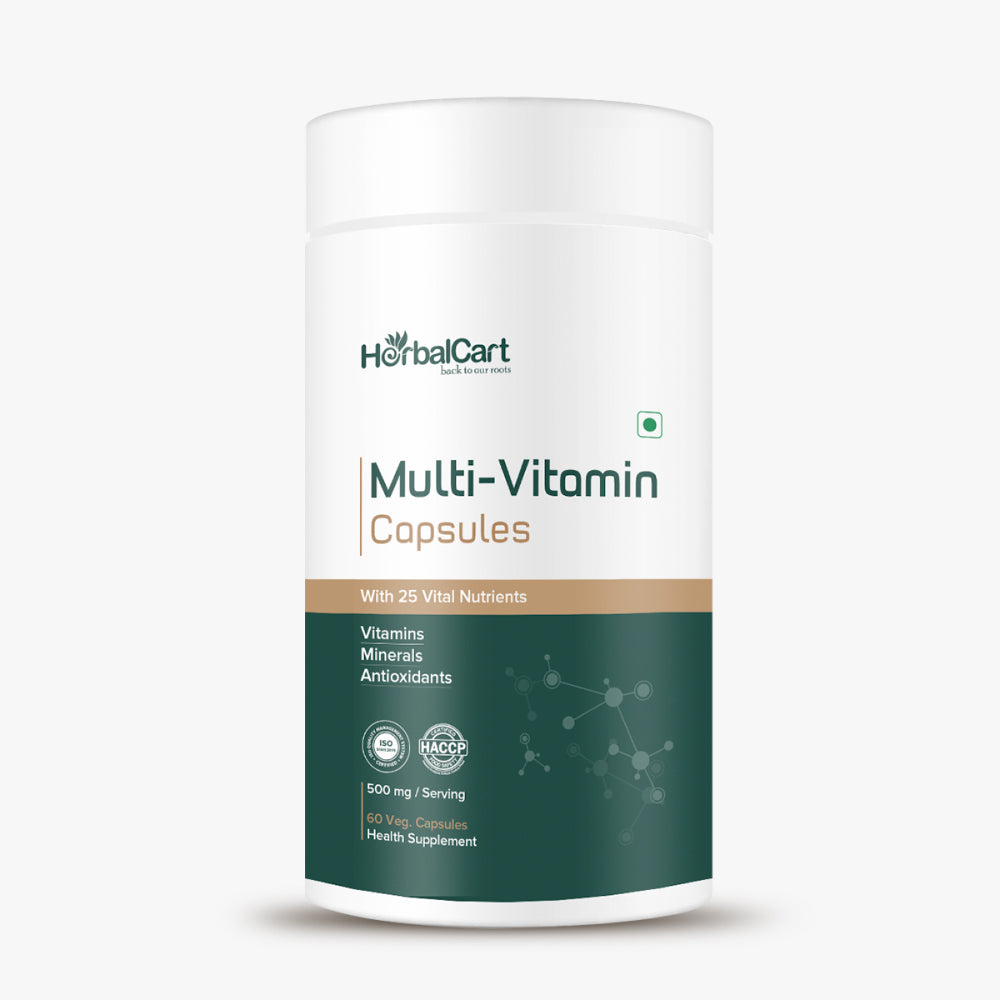
A balanced diet usually covers these. If your diet has gaps, ask your doctor whether multivitamin capsules are suitable for you. Do not add several supplements together without medical advice.
Say Hello To Vitamin D To
Keeping vitamin D at a healthy level is linked to a range of benefits. Some are well proven, while others are still being studied.
Well established:
- Supports strong bones and teeth
- Helps prevent rickets in children and osteomalacia in adults
- Supports muscle strength and may reduce the risk of falls in older adults with deficiency
- Helps the body absorb calcium
Being researched (evidence is mixed or not yet conclusive):
- Immune system support and fewer respiratory infections in people who are deficient
- Lower risk of some chronic conditions, including certain cancers, multiple sclerosis and dementia, where studies have found links, but large trials of supplements have not shown that taking extra vitamin D prevents these diseases in people who are not deficient
- Mood and mental health
Please be careful with websites claiming vitamin D can prevent autism, cure cancer or help you avoid premature death. Current scientific evidence does not support these claims. Vitamin D is an important nutrient, not a cure-all.
Who Is at Higher Risk of Deficiency?
You may want to discuss testing with your doctor if you:
- Have dark skin
- Are over 65
- Are overweight or obese
- Spend most of the day indoors or cover most of your skin outdoors
- Live far from the equator or in a heavily polluted city
- Have a gut, liver or kidney condition
- Are pregnant, breastfeeding, or the parent of an exclusively breastfed baby
- Follow a strict vegan diet without fortified foods
- Take long-term steroids or anti-seizure medicines
Daily Habits to Support Healthy Vitamin D Levels
- Get short, sensible outdoor time during daylight hours, without burning.
- Include oily fish, eggs and fortified foods in your weekly meals.
- Read labels on milk, cereals and plant-based drinks to check whether they are fortified.
- Stay physically active, as weight-bearing exercise supports bone health.
- Maintain a healthy weight.
- Get tested if you are in a higher-risk group, and repeat the test as your doctor advises.
- Take supplements only in the dose recommended for you.
When Should You See a Doctor?
Book an appointment if you have persistent bone pain, muscle weakness, frequent fractures, or if you belong to a high-risk group. Seek help promptly if a child shows signs of rickets, such as bowed legs or delayed walking. Also speak to your doctor before supplementing if you have kidney stones, kidney disease, sarcoidosis, hyperparathyroidism or take medicines that affect calcium, as extra vitamin D may not be safe in these cases.
Conclusion
Vitamin D is an essential nutrient, and keeping it at a healthy level supports strong bones, muscles and overall wellness. It is simply regrettable that the vitamin is underrated. No matter how limited your knowledge was about vitamin D until now, you can make it a part of your everyday life through a balanced approach: some safe sunlight, vitamin D-rich foods, and supplements when your doctor advises them. Know your level through a simple blood test, avoid both deficiency and excess, and treat vitamin D as one part of a healthy lifestyle, not a magic fix.
“Whatever your health goals be, a balanced diet, regular activity and the right nutrients, including vitamin D, are the foundation.”
Frequently Asked Questions
1. How long does it take to correct vitamin D deficiency?
It depends on how low your level is and the dose prescribed. Many people see improvement in blood levels within a few weeks to a few months, and doctors usually recheck after about three months.
2. Which is better, vitamin D2 or D3?
Both raise levels, but D3 (cholecalciferol) is generally considered more effective at raising and maintaining blood levels. Your doctor can advise which suits you.
3. What is the best time to take vitamin D supplements?
There is no single best time. Taking it with your largest meal, which contains some fat, helps absorption. Consistency matters more than timing.
4. Can I get enough vitamin D from food alone?
It is difficult, because few foods are naturally rich in it. Fortified foods and oily fish help, but many people also need sunlight or supplements.
5. Can I get vitamin D through a window?
No. Window glass blocks most of the UVB rays your skin uses to make vitamin D.
6. Does sunscreen cause vitamin D deficiency?
Sunscreen can reduce vitamin D production in theory, but real-world studies show only a small effect. Skin cancer prevention is more important, so keep using it.
7. Is it safe to take vitamin D every day?
For most healthy adults, daily intake within the recommended range is safe. Do not exceed the upper limit of 4,000 IU per day unless a doctor prescribes it.