





Protein powders tend to be placed next to each other, but they serve different purposes after being integrated into a routine lifestyle. The question of whether bone broth protein is better than whey remains an issue, as both provide protein, but the manner in which that protein acts within the body alters the result.
The majority of individuals who make comparisons between bone broth and protein powder are attempting to address three issues in practice. Stronger protein quality. Better digestion. More suitable for everyday routine.
An obvious solution is stable. There are regions where bone broth protein is not substituting for whey. Whey is superior in supporting muscle, balancing amino acids, and performance-driven consumption. Bone broth protein establishes value within a smaller plane that is defined by collagen concentration and dairy-free compatibility.
Bone Broth Vs Protein Powder Begins With Origin
All the differences begin with what each product is made of.
The protein in bone broth is made of simmered bones and connective tissues and subsequently condensed into powder form. It is characterized by collagen-associated amino acids like glycine, proline, and hydroxyproline. These amino acids are generally related to structural parts of the body.
The whey protein is obtained in the process of making cheese. The strength of whey is a complete amino acid profile. The necessary amino acids are all in balanced quantities and this enables efficient utilization in the body.
That disparity of origin pre-determines all the rest. One of the proteins is oriented towards the structure. The other is leaning in the direction of muscle-based support.
Is Bone Broth Protein A Complete Protein?
Wholeness is one of the most significant aspects in bone broth vs whey protein comparisons.
Does bone broth protein contain a complete protein? Most forms are not. Some essential amino acids are lacking or are in low quantities, and this makes it not be complete.
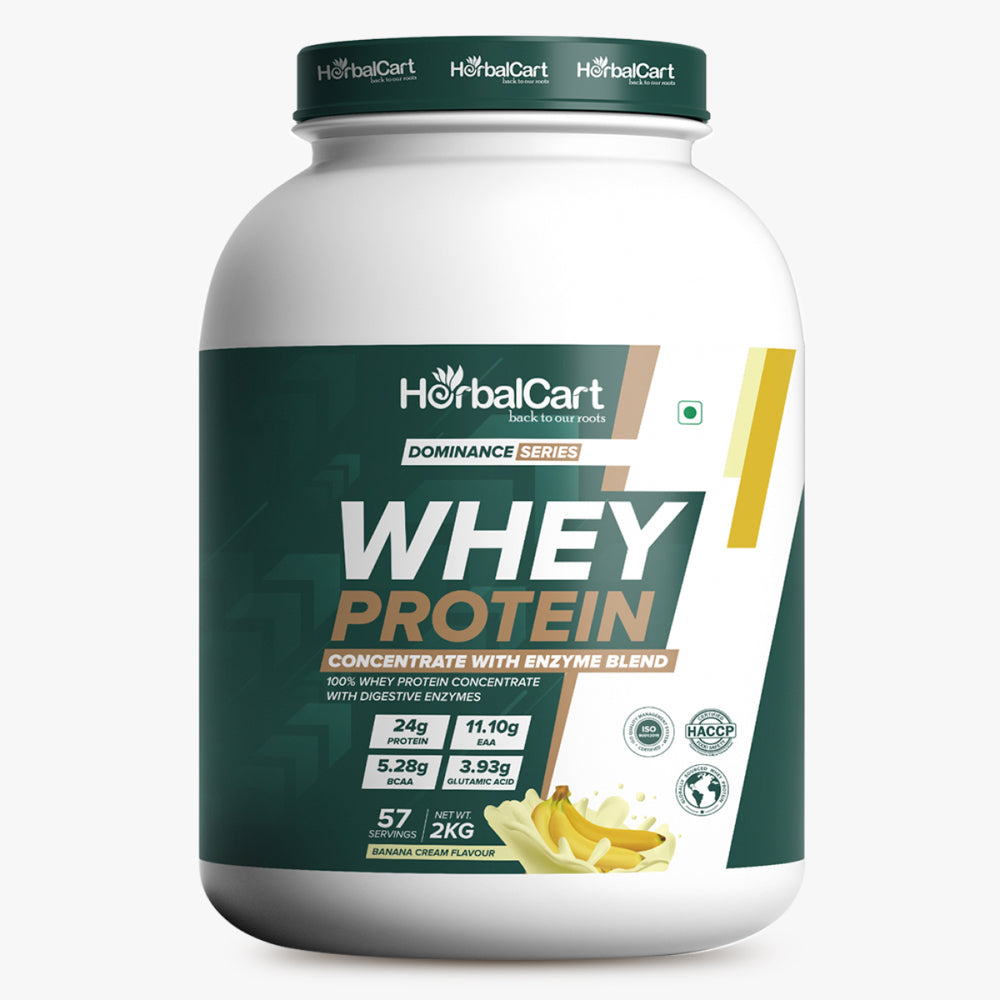
Whey protein qualifies as a complete protein. It contains all nine essential amino acids, including the branched-chain amino acids that aid in muscle repair and maintenance.
A full-fledged amino acid profile is more directly helpful in muscle recovery. Such a difference provides whey with a pragmatic benefit in most cases.
Bone Broth Vs Whey Protein For Muscle Goals
The separation is emphasized in muscle-based use.
Whey protein provides more leucine, which is an amino acid that is strongly associated with muscle protein building. It can be easily absorbed quickly and used after exercise.
Bone broth protein continues to add to total protein consumption. The composition of its amino acids, however, is more collagen-oriented than muscle-oriented.
The gain of muscle, development of strength, and recovery seem to be more balanced with whey protein compared to bone broth protein. This variation does not render bone broth protein ineffective, but it alters its place in a regimen.
Bone Broth Protein Powder Vs Whey For Digestion And Dietary Fit
The contribution of comfort on a daily basis can be greater than anticipated.
Bone broth protein is a naturally dairy-free protein. Lack of lactose eliminates one of the main worries of people who shun milk products.
Whey protein is suitable for most individuals, but the choice can be subject to dietary preferences or sensitivities.
Bone broth protein powder vs whey is not so much about performance but more about compatibility. A product that fits comfortably in meals and practices is likely to be consistent over a period.
Bone Broth Protein Vs Whey On Collagen Content
A different character comes out in the composition.
Collagen has amino acids, including glycine, proline, and hydroxyproline, which are found in bone broth protein. These are amino acids that are associated with the connective tissues and the structural proteins.
Whey protein does not contain collagen in any significant quantity. Its formulation is based on amino acids that promote muscle repair and growth.
Various compositions do not suit the same priorities. That is why that difference is a defining part of the bone broth vs whey protein comparison.
Protein Per Scoop And What Actually Matters
The label numbers are often similar on the surface.
The typical amount of whey protein is 20-25 grams per serving. The protein content of bone broth is typically a little less, typically 15-20 grams.
Effectiveness is not dictated by the quantity of proteins only. The composition of the amino acids determines the use of that protein within the body.
Two powders containing similar amounts of proteins can act differently based on their structure. The difference tends to be apparent with time.
Absorption Speed And Timing In Daily Use
Time determines the effect of protein on the body.
Whey protein is absorbed rapidly, and it can be used after workouts when rapid access to amino acids is desirable.
Bone broth protein digests slowly. A slower release facilitates constant consumption during the day and not time-related consumption.
Various absorption rates suit varying requirements. In training recovery, fast absorption is essential, whereas in general intake, slow digestion is essential.
Is Bone Broth Protein Powder Good For You?
Usefulness depends on context rather than comparison.
Bone broth protein can support daily protein intake, especially for those who prefer dairy-free options or collagen-focused nutrition. Mixing it into soups, coffee, or simple drinks allows it to blend into meals without much effort.
A broader nutritional profile may also be present, including naturally occurring compounds derived from connective tissues.
At the same time, relying only on collagen-based protein may not provide complete amino acid coverage. Combining it with other protein sources can improve overall balance.
Bone Broth Vs Whey Protein By Daily Goal
The decision is made easier by matching the product with the goal.
- Whey aids in muscle development, recovery, and total protein consumption.
- Bone broth protein helps with dietary preferences, collagen consumption, and dairy-free requirements.
There can be different aims of the same routine. One product does not require managing all functions.
Whey Vs Bone Broth Protein For Value
Value is relative to the things that are most important.
Whey is highly efficient when it comes to muscle-specific application because of its amino acid content and stable performance.
Bone broth protein is the choice that provides benefits to consumers who value collagen-rich nutrition or are averse to dairy.
The topic of whey vs. bone broth protein can be a trade-off between performance and preference.
Taste, Mixability, And Long-Term Consistency
Simple details are usually relied on in everyday life.
Whey is easy to mix and is available in a large variety of flavors. Their use is convenient because of quick shakes.
The protein of bone broth has a more neutral or somewhat savory outline. It is much easier to blend into a soup, broth, or plain beverages than sweet shakes.
Consistency is formed by ease of use. Patterns determine outcomes in the long term.
Variety And Routine Flexibility
Formal flexibility tends to enhance compliance.
It is monotonous to use the same protein source on a daily basis. Protein of bone broth adds variation, particularly to non-shake-based meals.
Whey is convenient to keep near exercises, whereas bone broth protein may be carried in meals all day.
Long-term consistency can be facilitated by variety.
Can Both Be Used Together?
An integrated strategy usually does not need to be a complicated one.
Whey before or after exercises, and bone broth protein at other times are some of the routines. Whey promotes performance-oriented, whereas bone broth protein promotes overall consumption and diversity.
The combination of the two enables one to satisfy different needs without necessarily compelling one to do it all.
Final Answer: Is Bone Broth Protein Better Than Whey?
Muscle-oriented objectives prefer whey because of its complete amino acid pattern, high level of leucine, and quicker absorption.
The role of the bone broth protein is supported by dietary preference, dairy-free requirements, and collagen-oriented consumption.
Therefore, is bone broth protein superior to whey? A universal answer does not apply.
A more understandable representation of the choice:
Whey supports performance.
Bone broth protein promotes preference and flexibility, as well as collagen-based intake.
FAQs
1. Is bone broth protein better than whey for weight loss?
In both options, protein consumption helps to keep one satiated. The more they fit the daily eating patterns, the better the option becomes.
2. Can bone broth protein be used after workouts?
Use after workouts is possible, though whey aligns more closely with muscle recovery due to its amino acid profile.
3. Is bone broth protein a complete protein?
The protein powders in most bone broths are incomplete as they do not contain all the essential amino acids.
4. Which is easier to digest: bone broth or whey?
Digestive comfort varies. The absence of dairy in their composition makes bone broth protein appropriate to some people, and many people do not worry about whey.
5. Can whey and bone broth protein be used together?
They can be utilized together in the same routine. Whey can sustain training periods, whereas bone broth protein can sustain general intake.
6. Is bone broth protein powder good for you daily?
When it is combined with other protein sources, it can be incorporated into a balanced diet on a daily basis.
7. Which provides more protein per scoop?
Whey usually provides slightly higher protein per serving compared to bone broth protein.
8. Does collagen in bone broth protein replace whey benefits?
The amino acids related to collagen have another purpose and cannot substitute the entire amino acid composition of whey.