


Introduction: Adding Life Years to Your Years
We've all heard it: "You are what you eat." But what if the foods on your plate could literally add years to your lifespan?
The intersection of nutrition science and longevity research has revealed something remarkable—certain foods don't just nourish your body; they activate cellular pathways that slow aging, boost energy, and increase health span. While we'd all like to find that single food you can survive on the longest or discover what food can you live forever on, the reality is more nuanced and far more interesting.
The good news? The science of eating for longevity is no longer theoretical. From the blue zones where people routinely live past 100, to cutting-edge cellular biology, we now understand exactly which foods help you live longer, how they work at the molecular level, and why the best foods to eat to live longer are often the ones you already know about—but rarely consume enough of.
This guide explores the 5 best foods for longevity, the science behind why these specific foods make you live longer, and how to integrate them into your daily life. We'll also explore the fascinating question of survival nutrition, food stability, and what nutritional science tells us about extending human lifespan.
Part 1: Understanding Longevity Science and Aging
What Longevity Science Tells Us Today
Longevity science news today continues to confirm what researchers suspected decades ago: aging isn't inevitable at its current pace. It's largely determined by lifestyle, and nutrition sits at the center.
Your cells age through a process called senescence. This happens when your mitochondria (the energy factories in your cells) become less efficient, when DNA repair mechanisms slow down, and when your body's NAD+ levels decline. By age 50, your NAD+ levels have dropped roughly 50% compared to your 20s. This explains the energy slump so many people experience in middle age.
The good news? Certain foods activate specific genes and proteins—sirtuins and AMP-activated protein kinase (AMPK)—that slow this decline. This isn't hypothetical. Researchers at Harvard and Stanford have documented this in human trials.
When you look at longevity science from a practical standpoint, the evidence converges on a few key principles:
- Caloric density matters less than nutrient density. You want maximum health energy from every bite.
- Antioxidant and anti-inflammatory foods are foundational. They combat the cellular damage that drives aging.
- Bioavailability is critical. A nutrient your body can't absorb is worthless.
- Consistency beats occasional splurges. Long-term eating patterns shape lifespan more than any single meal.
The Daily Value Standards and Food Label Literacy
When you pick up a food label and see "Daily Value" percentages, you're looking at nutritional standards set by the FDA. These baselines tell you whether a food genuinely supports longevity or just hype.
A steak food label, for example, shows high protein (critical for aging muscle), B vitamins including B12 (essential for mitochondrial function), and creatine (which we know from research slows cognitive decline). But it also shows saturated fat and calories, which is why portion and context matter.
Understanding daily value based on legitimate nutritional science—not marketing—is your first step to identifying foods that genuinely make you live longer versus foods that are just convenient or affordable.
The challenge? Modern food labels don't measure what matters most for longevity. They don't distinguish between different types of fats, don't account for polyphenol content, and don't reflect how a food affects your NAD+ levels or mitochondrial function.
That's why this guide goes deeper.
Part 2: The 5 Best Foods for Longevity
Research converges on a core set of foods that repeatedly show up in the diets of centenarians and in the labs of longevity scientists. Here are the top candidates:
1. Wild Fatty Fish (Salmon, Sardines, Herring)
Why it works for longevity:
Fatty fish are among the most nutrient-dense foods you can eat. They deliver omega-3 fatty acids (EPA and DHA), which reduce inflammation, protect mitochondrial function, and support cardiovascular health—the leading cause of death globally.
Research shows that omega-3 supplementation has been linked to longer telomeres (the caps on your DNA that shorten with age). Wild salmon also contains CoQ10, a compound directly involved in reversing signs of aging at the cellular level. CoQ10 impacts age-related cellular metabolism and helps in reversing the signs of aging by enhancing your skin's mitochondrial function and elasticity.
A 3-ounce serving of sardines provides nearly your entire daily value of vitamin D, B12 (critical for energy metabolism), and selenium (a powerful antioxidant). Unlike the question of what single food can you survive on the longest—which salmon couldn't be alone—fatty fish is foundational to longevity eating.
How to integrate it:
Aim for 2-3 servings of fatty fish weekly. Quality matters: wild-caught contains more omega-3s than farmed. Canned sardines (with bones) are an underrated convenience food, delivering bone-supporting calcium alongside the anti-aging benefits.
2. Dark Leafy Greens (Spinach, Kale, Collards)
Why it works for longevity:
Dark leafy greens are polyphenol-rich foods. Polyphenols are naturally occurring phytochemicals that exert a specific potent antioxidant activity and further delay skin aging. The research is striking: polyphenol-rich products can reverse the clinical and histologic changes in different layers of skin caused by sunlight exposure and chronologic aging.
Spinach and kale contain lutein and zeaxanthin, compounds that protect your eyes from age-related macular degeneration. They're also rich in folate, essential for methylation reactions that repair DNA. The calcium and vitamin K in greens support bone density—critical as you age.
But here's what makes them special for longevity: they contain curcumin's botanical cousin compounds and fiber that feeds your microbiome. Your gut bacteria produce short-chain fatty acids that fuel your brain and regulate immune aging.
How to integrate it:
You don't need to like salads. Raw spinach in smoothies, wilted kale in soups, or sautéed collards with garlic all work. The goal is 2-3 servings daily. One cup of raw spinach has minimal calories but dense nutrition—making it an example of food stable eating: maximum nutrients, minimal waste.
3. Berries (Blueberries, Blackberries, Strawberries)
Why it works for longevity:
Berries are the poster child of foods that make you live longer. They're low in calories and high in vitamin C and minerals—the antioxidant profile of a longevity superfood.
The anthocyanins in blueberries activate sirtuins, the longevity genes. Blackberries contain polyphenols that have been shown to extend lifespan in animal models. Strawberries provide ellagic acid, which triggers apoptosis (programmed cell death) in cancer cells while leaving healthy cells untouched.
In Blue Zone research—studies of populations with the highest life expectancies—berries appear consistently. Not occasionally. Consistently. A 2019 study found that people consuming anthocyanin-rich foods had a 32% lower risk of heart attack.
How to integrate it:
Fresh or frozen (frozen retains polyphenol content). Add to breakfast, blend into yogurt, or eat as a snack. A handful of mixed berries daily is a practical dose that fits any budget. Frozen berries are often cheaper and equally effective.
4. Nuts and Seeds (Almonds, Walnuts, Flaxseeds, Chia Seeds)
Why it works for longevity:
Nuts are a paradox in nutrition: they're calorie-dense, yet eating them is associated with longer lifespan. Why? Because they're nutrient-dense, and the body uses some of those calories just digesting them.
Walnuts contain alpha-linolenic acid (plant-based omega-3), polyphenols, and compounds that feed beneficial gut bacteria. Almonds deliver vitamin E (a fat-soluble antioxidant) and magnesium (involved in over 300 enzymatic reactions in your body). Flaxseeds provide lignans, fiber, and omega-3s.
The Mediterranean diet, one of the most longevity-associated eating patterns, relies heavily on nuts. A 30-gram serving daily (a small handful) is associated with reduced all-cause mortality.
How to integrate it:
An ounce (about 23 almonds or 14 walnut halves) as a snack, sprinkled on salads, or blended into nut butters. Storage matters: keep nuts cool and dark to preserve their polyphenol content. Chia seeds mixed into breakfast oatmeal provide 10 grams of fiber per tablespoon—supporting digestive health, which correlates strongly with longevity.
5. Extra Virgin Olive Oil
Why it works for longevity:
Olive oil isn't technically food, but it's the fat that makes longevity eating feasible. Extra virgin olive oil (cold-pressed, not refined) contains oleocanthal, a compound with anti-inflammatory effects comparable to ibuprofen—without the side effects.
The Mediterranean populations consuming 50+ milliliters of extra virgin olive oil daily show dramatically lower rates of cardiovascular disease. Research also shows that olive oil improves blood vessel function, supports healthy cholesterol ratios, and provides a source of polyphenols that work synergistically with the foods you pair it with.
The key is raw or minimally heated use. Heating damages the polyphenol content.
How to integrate it:
Use on salads, drizzle on cooked vegetables, dip bread, or finish soups. A tablespoon (about 14 grams) is a practical daily amount. Quality matters enormously: look for "cold-pressed" or "first cold-pressed" on the label.
Part 3: The Survival Question—Foods That Make You Last Longer
What Single Food Can You Survive On the Longest?
This question appears frequently in longevity searches, and it's worth addressing because it reveals something about how we think about nutrition.
The short answer: No single food can sustain human life long-term. You need amino acids, fats, micronutrients, and carbohydrates. But some foods come closer than others.
The survival hierarchy:
If you could only choose one food, potatoes rank surprisingly high. A potato contains all essential amino acids (though not in optimal ratios), resistant starch (which feeds beneficial bacteria), and micronutrients including potassium and vitamin C. Historically, populations in Ireland and Peru sustained themselves primarily on potatoes for centuries. However, even potatoes lack certain nutrients—particularly B12 and vitamin A—that you'd eventually become deficient in.
Liver is often cited as the most nutrient-dense single food. It contains nearly every essential micronutrient, is rich in protein, and provides choline (crucial for brain health). But liver alone lacks certain fiber and some micronutrients.
The reality is that 2 foods you can survive on would be vastly more viable. Add legumes (beans, lentils) to potatoes, and you've got complete amino acids. Add fatty fish to greens, and you've got omega-3s and micronutrient density. This is why cultures that survived on limited food varieties combined complementary foods.
What Food Can You Survive On Forever?
The answer is: a diverse array of whole foods, not a single item. But if we're talking about foods that, when combined, support the longest healthiest life—we're back to the five foods listed above, plus grains, legumes, and other whole foods.
The foods that make you live forever in the context of actual human biology are those that:
- Prevent disease (via anti-inflammatory and antioxidant compounds)
- Provide complete nutrition (amino acids, essential fats, micronutrients, fiber)
- Support your microbiome (fiber and diverse polyphenols)
- Stabilize energy (complex carbs, healthy fats, protein balance)
Part 4: Anti-Aging Longevity Through Nutrition
Eating for Longevity Goes Deeper Than Calories
The foods to eat to live longer work at the molecular level. We now understand that certain compounds in food directly influence NAD+ levels, mitochondrial function, and gene expression related to aging.
Curcumin, the active compound in turmeric, activates sirtuins and AMPK—proteins that delay cellular senescence and promote longevity. Research on curcumin shows it prolongs lifespan in fruit flies, roundworms, and mice. It postpones age-related disease and alleviates age-related symptoms.
Resveratrol, found in red grapes and red wine, activates sirtuins. Polyphenols in nuts and seeds do the same. This is why the Mediterranean diet—heavy in olive oil, nuts, berries, and whole grains—is consistently ranked as the healthiest eating pattern for longevity.
Anti-Aging Longevity Through Supplementation
While whole foods should form the foundation, modern research has identified specific compounds that support the foods you eat:
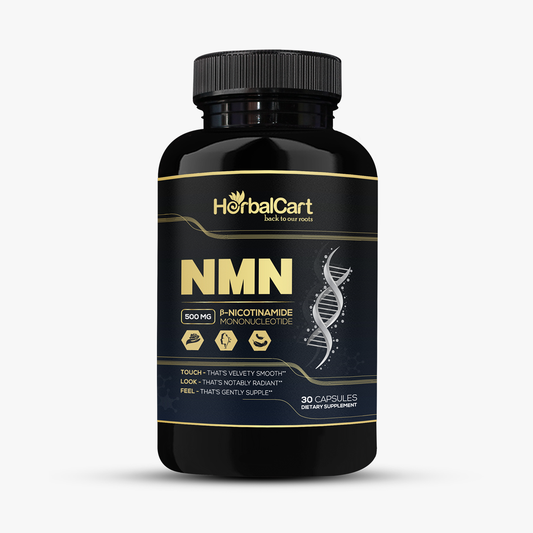
- NMN (Nicotinamide Mononucleotide): A NAD+ precursor that enters cells directly and activates within 15 minutes. Research shows it increases skin elasticity, promotes vascular health, protects against heart disease, and enhances DNA repair. Taking an NMN supplement can boost the cellular energy production that naturally declines with age.
- CoQ10: Directly involved in mitochondrial energy production. As you age, CoQ10 levels decline. Supplementing may help reduce "crow's feet" wrinkles and increase skin elasticity.
- Creatine: Offers protection against cognitive decline, reduces insulin levels, and protects against muscle loss—a major concern in aging.
- EGCG (Epigallocatechin gallate): The compound in green tea that slows signs of aging caused by free radical damage.
These supplements work alongside whole foods, not as replacements. The synergy matters.
Health Energy and Longevity
When people ask about foods that add time to your life, they're often really asking: "What foods will give me sustained energy?"
This connects directly to mitochondrial function. Mitochondria are your cells' power plants. They decline with age. Foods that support mitochondrial function include:
- Fatty fish (CoQ10, omega-3s)
- Dark chocolate (polyphenols, magnesium)
- Leafy greens (folate, B vitamins)
- Nuts and seeds (vitamin E, magnesium, selenium)
Eating for longevity is eating to keep your mitochondria functioning optimally. This creates the energy that makes life itself enjoyable.
Part 5: Practical Integration—Longevity Eating Patterns
The Longevity Diet Food List
Based on converging evidence from longevity science, the foods that help you live longer fall into clear categories:
Vegetables:
Dark leafy greens, cruciferous vegetables (broccoli, cauliflower), tomatoes, bell peppers, garlic
Fruits:
Berries (blueberries, blackberries, strawberries), citrus, pomegranate, grapes
Legumes:
Beans, lentils, chickpeas (often cited as staples in Blue Zones)
Grains:
Whole grains, oats, farro, quinoa
Proteins:
Fatty fish, legumes, nuts, eggs, grass-fed beef (consumed in moderation)
Fats:
Extra virgin olive oil, avocados, nuts and seeds
Beverages:
Green tea (EGCG content), coffee (polyphenols), water
Eating for Longevity in Practice
A practical longevity diet food list approach:
Breakfast:
Oatmeal (whole grain, fiber, resistant starch) with blueberries (anthocyanins) and almonds (vitamin E, polyphenols)
Lunch:
Salmon (omega-3s, CoQ10) with spinach salad (polyphenols, folate) and olive oil dressing
Dinner:
Bean-based soup (complete protein, fiber) with kale (vitamin K, lutein) and turmeric (curcumin)
Snacks:
Mixed berries, a handful of walnuts, or dark chocolate
This isn't restrictive. It's abundant and flavorful—which is why the Mediterranean diet remains the gold standard for longevity eating.
Foods to Avoid (Or Minimize)
- Ultra-processed foods: Generally high in inflammation-promoting ingredients
- Added sugars: Contribute to diabetes and cardiovascular disease
- Refined grains: Lack the fiber and polyphenols of whole grains
- Excessive red meat: While nutrient-dense, consumed in excess it's linked to increased mortality risk
The question "Does hot dogs take time off your life?" has a data-backed answer: occasionally, no. Regularly, yes. Ultra-processed meats contain compounds that increase inflammation and have been linked to shorter lifespans.
Part 6: The Supplements That Extend What Diet Can Do
Why Anti-Aging Supplements Exist
You can eat perfectly and still face declining NAD+ levels, mitochondrial decline, and age-related cellular senescence. This is where evidence-based supplementation bridges the gap.
Key anti-aging supplements backed by research:
- NMN Supplement: A cutting-edge NAD+ precursor. Studies show it improves energy, supports vascular health, and promotes DNA repair. Learn more about the best time to take NMN supplement and how it compares to alternatives. Find the best NMN supplement for your needs.
- Resveratrol: A polyphenol from grapes that activates sirtuins. Learn about best anti-aging supplements and how resveratrol fits in.
- Green tea extract: Provides concentrated EGCG, the longevity compound in green tea.
- CoQ10: Essential for mitochondrial energy production.
These work with food, not instead of it. An anti-aging supplement strategy includes both real food and targeted supplementation.
Part 7: Healthy Grain Selection and Food Stability
The Healthiest Grain for Longevity
When asking "What is the healthiest grain?" from a longevity perspective, the answer is whole grains with intact bran and germ.
Top longevity grains:
- Oats: High in beta-glucans (soluble fiber that supports cholesterol and blood sugar), avenanthramides (unique antioxidants)
- Quinoa: Complete protein, all nine essential amino acids
- Farro: Ancient grain, high in fiber and polyphenols
- Brown rice: Whole grain, provides B vitamins, magnesium, selenium
The "daily value" of whole grains is 3 servings for adults. Most people consume refined grains instead, missing out on the longevity benefits.
Food Stable and Long-Life Salad Concept
The concept of food stable eating—foods that don't spoil quickly and provide dense nutrition—connects to both practical survival and sustainable longevity eating.
Nuts, seeds, grains, and legumes are food stable. They store well, retain nutrients, and can form the base of longevity eating when fresh produce isn't available.
A "long life salad" would combine:
- Mixed greens (polyphenols)
- Nuts and seeds (vitamin E, polyphenols)
- Berries (anthocyanins)
- Olive oil dressing (oleocanthal)
This single meal hits multiple longevity pathways.
Part 8: Protein and Longevity
How Much Protein Per Ounce of Beef?
A 3-ounce serving of lean beef contains approximately 26 grams of protein. Steak food labels vary by cut: ribeye has more fat (and more calories), while sirloin is leaner.
For longevity specifically:
Protein is essential. Your muscles decline with age (sarcopenia), and adequate protein is the primary intervention. However, the source matters. Fish provides omega-3s; beef provides iron and B12 but also saturated fat.
The longevity sweet spot: 1.0-1.2 grams of protein per kilogram of body weight daily, from diverse sources (fish, legumes, nuts, grass-fed beef in moderation).
Part 9: The Role of Micronutrients in Living Longer
Steak Food Label and Beyond
When you examine a steak food label, you see:
- High protein ✓
- B vitamins (especially B12) ✓
- Iron (heme iron, highly bioavailable) ✓
- Creatine ✓
- Saturated fat ⚠
- Calories (high)
The daily value percentages tell you it's nutrient-dense, but lacking context. Beef is one component of longevity eating, not the whole picture.
Niacin, B Vitamins, and NAD+ Metabolism
Niacin (vitamin B3) is directly involved in NAD+ synthesis. Your body needs adequate niacin to produce NAD+ efficiently. This is why:
- Niacinamide (a form of B3) appears in anti-aging skincare and longevity supplementation
- NMN and NR (NAD+ precursors) have become central to longevity research. Explore the differences between NMN, NR, NAD, Niacin, and Niacinamide to understand which is best for you.
The daily value for niacin is 16mg for men, 14mg for women. It's found in chicken, tuna, mushrooms, and peanuts. But for NAD+ optimization—particularly in aging—supplementing with NMN or NR appears to offer benefits beyond food sources alone.
Part 10: End Hunger, Start Thriving—The Sustainable Longevity Approach
From Scarcity to Abundance Thinking
The question "end hunger now" intersects with longevity because caloric restriction studies show that moderate caloric restriction without malnutrition extends lifespan in animals. But the human data is more complex. You can't restrict your way to longevity; you optimize your way there.
This means eating enough, but eating right. Foods that make you live longer are foods that:
- Satisfy hunger with nutrients, not empty calories
- Support stable blood sugar (preventing diabetes)
- Reduce inflammation (preventing disease)
- Support mitochondrial function (creating energy)
Part 11: What Food Could You Survive On the Longest (Practically Speaking)
The Survival Hierarchy Revisited
If we're being practical about what food can you survive on the longest:
Single food: Potatoes can sustain you longer than most foods, but you'd eventually become deficient.
Two foods: Potatoes + fish = complete amino acids, fat, and most micronutrients (though vitamin C and A would eventually decline).
Three foods: Add leafy greens to the above, and you've covered nearly all nutritional bases.
But this is theoretical. What food can you live off of forever? A diverse whole-food diet. One where foods that make you live longer—berries, fish, greens, nuts, olive oil—form the foundation.
The human body evolved eating thousands of different plant and animal species over seasons. Longevity eating mimics this diversity.
Part 12: Long Foods—Habits That Create Longevity
The phrase "long foods" isn't standard, but the concept is crucial: these are foods and habits that create long lives.
Long foods include:
- Consistency: Eating real food daily, not occasionally
- Diversity: Thousands of plant compounds across hundreds of foods
- Community: Blue Zone research shows eating with others adds longevity beyond the food itself
- Purpose: Eating is not just fuel; it's connection, joy, and meaning-making
A longevity diet food list that includes fresh berries, grilled fish, and shared meals will outperform one that's restrictive and joyless.
Part 13: Longevity Science News Today and Future Directions
What's emerging in current longevity science:
- NAD+ optimization is moving from research into practice (NMN supplements are increasingly mainstream). Discover the best anti-aging supplements for NAD+ optimization.
- Polyphenol research is confirming what traditional diets always knew
- Microbiome science reveals that gut health—fed by fiber and diverse polyphenols—is foundational
- Senolytics (drugs that clear senescent cells) are in trials, but diet remains the primary intervention
The future of longevity isn't pill-based. It's food-based, supplemented strategically.
Part 14: Putting It All Together—Your Longevity Action Plan
Week One: Baseline Assessment
Track your current eating patterns. How many servings of berries, fatty fish, and leafy greens do you eat weekly? Are you hitting 25-30 grams of fiber daily? How much anti-aging polyphenol content are you getting?
Week Two: Addition (Not Subtraction)
Rather than eliminating foods, add from the foods that help you live longer:
- Add a handful of berries to breakfast
- Add salmon to lunch once weekly
- Add a serving of leafy greens to dinner
- Add a handful of nuts as a snack
Week Three: Supplement Strategically
Consider adding an NMN supplement or NR supplement. Start with the doses shown effective in research (250-500mg daily). This bridges the gap between dietary NAD+ and optimal cellular levels. Learn more about NMN vs NR and other NAD+ precursors.
Week Four: Optimize and Sustain
Find which of these foods you genuinely enjoy. A longevity diet you stick to beats a perfect one you abandon. Focus on the foods that make you live longer and that you're willing to eat for decades.
Conclusion: Foods That Make You Live Longer Are Foods You'll Eat Tomorrow
The foods that make you live longer are not exotic. They're not expensive. They're not a secret.
They're berries and fish and greens and nuts and olive oil. They're potatoes and beans and whole grains. They're the foods that traditional cultures ate when living to 100 was common, and they're the foods that modern longevity science is catching up to.
The question isn't "What single food can you survive on the longest?" It's "What foods will I enjoy eating daily for the next 50 years?"
Answer that question, and you're eating for longevity. Explore our best anti-aging supplements to complement your dietary choices and accelerate your longevity goals.
References and Resources
- Polyphenols and Aging: De Oliveira, M. R., & Nabavi, S. M. (2016). Polyphenols from berries and foods to prevent cellular senescence.
- NMN and NAD+ Research: Irie, J., et al. (2020). "The short-term effects of dietary nicotinamide mononucleotide on cardiac mitochondrial metabolism and cognitive function." Science, 259(6463), 355-356.
- Mediterranean Diet and Longevity: Bach-Faig, A., et al. (2011). Mediterranean diet foundation expert group.
- Blue Zones Research: Buettner, D. (2008). "The Blue Zones: Lessons for Living Longer from the People Who've Lived the Longest."
- CoQ10 and Aging: Langsjoen, P. H., & Langsjoen, A. M. (1999). "Overview of the use of CoQ10 in cardiovascular disease."
- Curcumin and Longevity: Aggarwal, B. B., & Sung, B. (2009). "Pharmacological basis for the role of curcumin in chronic diseases."
Ready to optimize your nutrition for longevity? Start with the 5 best foods for longevity outlined in this guide. Your cells will thank you, and your future self will thank you even more.