


If you've spent any time researching anti-aging nutrition or heart health, you've probably come across resveratrol. It's the compound behind the so-called "French Paradox," the observation that people in France eat rich, fatty foods yet have comparatively low rates of heart disease, largely attributed to their regular consumption of red wine. But wine is just one piece of the puzzle. There's a whole list of resveratrol foods hiding in your grocery store that can help you tap into this antioxidant's benefits without a glass of Merlot.
In this guide, we'll break down exactly which foods contain resveratrol, how much you can realistically expect to get from your diet, and where supplements might fill the gap.
What Is Resveratrol, Exactly?
Resveratrol is a natural plant compound that belongs to a class of antioxidants called polyphenols. Plants produce it as a defense mechanism, releasing it in response to injury, fungal infection, or environmental stress like UV radiation. That's part of why grape skins, in particular, are so rich in it.
Once inside the human body, resveratrol has been studied for its potential role in supporting heart health, cellular aging, blood sugar regulation, and inflammation. If you want a deeper dive into the science, our detailed breakdown of what resveratrol is, its benefits, and its uses covers the research in more depth.
For now, let's focus on the practical question most people actually want answered: what foods have resveratrol, and how much do you need to eat to notice a difference?
Why Food Sources of Resveratrol Matter
Before jumping into the list, it helps to understand why people look for natural sources of resveratrol in the first place. Whole foods don't just deliver a single isolated compound, they come packaged with fiber, vitamins, and other polyphenols that work together. This is sometimes called the "food synergy" effect.
That said, resveratrol occurs in surprisingly small concentrations in most foods. Unlike vitamin C in an orange, you can't just eat a serving of grapes and expect a therapeutic dose. This is one reason many people pair a resveratrol-rich diet with a resveratrol supplement to make sure they're getting a meaningful amount consistently.
With that context in mind, here's the full resveratrol foods list, ranked roughly by concentration.
Resveratrol Foods List: Top Natural Sources
1. Grapes (Especially the Skin)
When people ask about resveratrol in grapes, they're usually surprised to learn that almost all of it is concentrated in the skin, not the flesh. Red and purple grapes contain significantly more resveratrol than green varieties because the pigment-producing process that gives them their color is closely tied to resveratrol synthesis.
Muscadine grapes, native to the southeastern United States, are often cited as having some of the highest concentrations among grape varieties, thanks to their unusually thick skins. If you're eating grapes specifically for their resveratrol content, buying them with the skin intact and eating them whole (rather than juiced or peeled) makes a real difference.
2. Red Wine
You can't talk about resveratrol without mentioning wine resveratrol content, since this is where the compound first captured public attention back in the 1990s. During red wine fermentation, grape skins remain in contact with the juice for an extended period, which allows more resveratrol to leach into the liquid compared to white wine, where skins are removed early.
That said, the amount of resveratrol in a typical glass of wine is fairly modest, and drinking more wine to chase higher intake isn't a sound health strategy given the other risks associated with alcohol. If you're interested in a more concentrated and consistent source, it's worth comparing food-based intake with trans-resveratrol vs. regular resveratrol to understand which form your body actually absorbs and uses more efficiently.
3. Blueberries
Do blueberries have resveratrol? Yes, though in smaller amounts than grapes. Resveratrol in blueberries is one of the reasons this fruit gets so much attention in antioxidant-focused diets. Blueberries also bring along anthocyanins, another polyphenol group linked to brain and cardiovascular health, which makes them a well-rounded addition to a resveratrol-conscious diet.
How much resveratrol is in blueberries compared to grapes? Generally less, but blueberries make up for it with a broader spectrum of protective compounds and are easier to eat in generous portions daily, whether fresh, frozen, or blended into a smoothie.
4. Cranberries
Cranberries are another fruit worth adding to your resveratrol foods list. They contain measurable amounts of the compound, along with proanthocyanidins that are well known for supporting urinary tract health. Fresh or unsweetened dried cranberries are the better choice here, since many commercial cranberry products are loaded with added sugar that offsets the benefit.
5. Peanuts and Peanut Butter
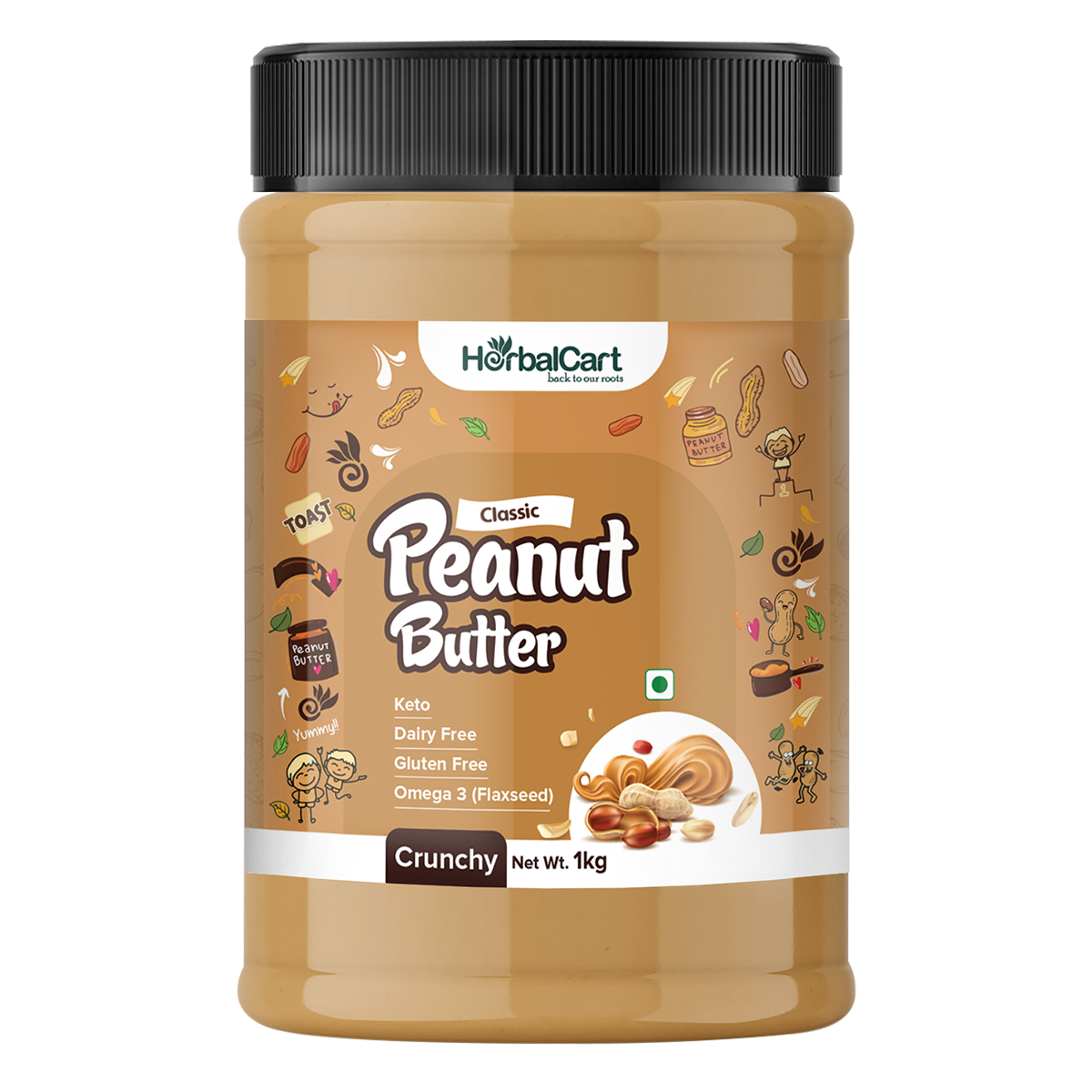
Peanuts might be the most overlooked entry on this list. As legumes rather than fruits, peanuts produce resveratrol as part of their own natural defense response, particularly when the plant is under stress. Boiled or raw peanuts tend to have more resveratrol than roasted ones, since heat can degrade some of the compound. Natural peanut butter, without added oils and sugar, is a convenient way to work this into your daily routine.
6. Pistachios
Pistachios are one of the few tree nuts known to contain resveratrol. They're also rich in healthy fats, protein, and fiber, making them a satisfying snack that contributes to overall antioxidant intake rather than delivering a huge single-source dose.
7. Dark Chocolate and Cocoa
Cocoa contains a modest amount of resveratrol, along with a much larger dose of other flavonoids. The darker the chocolate (meaning the higher the cocoa percentage), the more of these compounds survive processing. Milk chocolate and heavily processed chocolate products typically lose most of their beneficial compounds during manufacturing.
8. Pomegranates
While not always included in a strict resveratrol food chart, pomegranates contain trace amounts of the compound alongside a dense concentration of punicalagins and other polyphenols. It's a smart addition to a resveratrol-focused diet even if it's not the headline ingredient.
9. Raspberries and Mulberries
Both berries contain small but notable levels of resveratrol. Mulberries, in particular, have drawn research interest in parts of Asia where they're a traditional part of the diet, and where resveratrol from mulberry extract has been studied for metabolic health.
10. Cocoa Powder and Dark Chocolate Products
Worth a second mention: unsweetened cocoa powder used in smoothies, oatmeal, or baking retains more resveratrol and flavonoids than finished chocolate bars, since it skips the added fats and sugars that dilute the final product.
Resveratrol Food Chart: Approximate Comparison
For a quick visual reference, here's how common resveratrol-containing foods stack up against each other in terms of relative concentration (not exact clinical values, since resveratrol content varies by growing conditions, ripeness, and processing method):
| Food Source | Relative Resveratrol Content | Best Way to Eat It |
|---|---|---|
| Muscadine grape skins | Very High | Fresh, whole, with skin |
| Red wine | Moderate | In moderation |
| Peanuts (raw/boiled) | Moderate | Raw or natural peanut butter |
| Blueberries | Moderate | Fresh or frozen |
| Cranberries | Moderate | Fresh or unsweetened dried |
| Pistachios | Low-Moderate | Raw, unsalted |
| Dark chocolate (70%+) | Low-Moderate | Minimally processed |
| Raspberries | Low | Fresh |
| Mulberries | Low | Fresh or dried |
| Pomegranate | Low | Fresh juice or arils |
This kind of resveratrol food chart is a helpful starting point, but keep in mind that soil quality, climate, and how a fruit is grown all influence the final resveratrol content, sometimes significantly.
How Much Resveratrol Do You Actually Get From Food?
This is where things get a little sobering. Even with a diet built around all the foods high in resveratrol listed above, most people take in only a few milligrams per day through food alone. Many of the studies that reported meaningful benefits used doses in the range of 150 mg to 500 mg per day, amounts that would be nearly impossible to reach through diet without also consuming excessive sugar, calories, or alcohol.
This gap between what's achievable through food and what's used in research is exactly why so many people turn to concentrated resveratrol supplements as a practical way to bridge the difference, while still eating resveratrol-rich foods as part of a balanced diet.
If you're curious about what a consistent, higher-dose intake might actually do for your body over time, our article on what happens if you take resveratrol every day walks through the expected effects and realistic timelines.
Natural Sources of Resveratrol vs. Supplements: Which Should You Choose?
There's no rule that says you have to pick one over the other. In practice, most people benefit from combining both approaches:
- Whole foods give you fiber, hydration, vitamins, and a broad mix of antioxidants that work synergistically. Eating grapes, blueberries, and peanuts regularly supports overall health regardless of their exact resveratrol content.
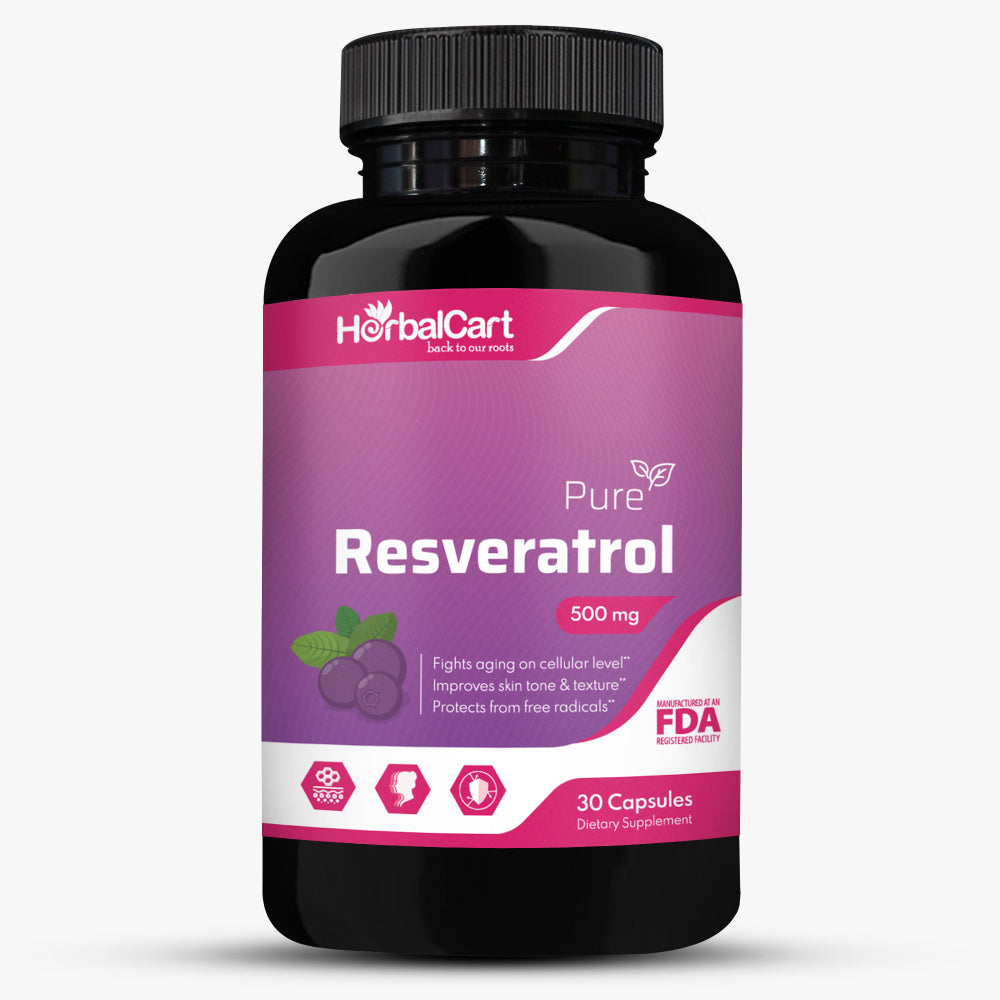
- Supplements give you a standardized, measurable dose, which matters if you're specifically trying to reach the levels used in clinical research.
If you do decide to add a supplement, timing can influence how well your body absorbs and uses it. Our guide on the best time to take resveratrol covers whether morning or evening dosing, and taking it with or without food, makes a difference.
A Note on Trans-Resveratrol
Not all resveratrol is created equal. Plants and supplements can contain resveratrol in two structural forms: cis and trans. Trans-resveratrol is generally considered the more stable and biologically active form, and it's the version most researched for its potential health effects. When you're comparing resveratrol foods or supplements, this distinction matters more than most labels let on.
For a full comparison of how these forms differ and which one is more worth prioritizing, take a look at our breakdown of trans-resveratrol vs. resveratrol.
Resveratrol and Skin Health
One of the more popular reasons people seek out resveratrol-rich foods and supplements today isn't heart health at all, it's skin. Resveratrol's antioxidant properties have made it a popular ingredient in serums and skincare products, and some people take it internally with skin benefits in mind as well.
If glowing, resilient skin is part of your goal, our dedicated article on resveratrol for skin benefits and uses explains how it may help with fine lines, sun damage, and overall skin tone, both from topical and dietary sources.
Resveratrol vs. NMN: A Common Point of Confusion
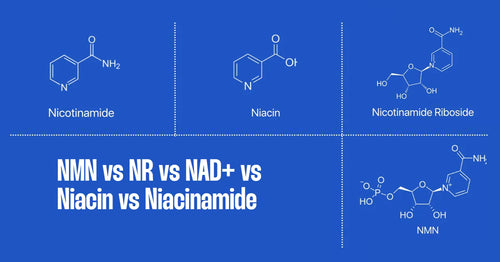
If you've been researching longevity supplements, you may have also come across NMN (nicotinamide mononucleotide), another compound frequently mentioned alongside resveratrol in anti-aging conversations. The two are often discussed together, but they work through different biological pathways and aren't interchangeable.
If you're trying to decide which one deserves a spot in your routine, or whether it makes sense to use both, our comparison of NMN vs. resveratrol lays out the key differences in plain terms.
Practical Tips for Getting More Resveratrol From Food
If your goal is simply to eat more resveratrol-rich foods without overhauling your entire diet, a few small habits go a long way:
- Choose grapes with the skin on, and eat them whole rather than juiced.
- Keep frozen blueberries and cranberries on hand for smoothies, oatmeal, or yogurt bowls.
- Snack on raw peanuts or natural peanut butter instead of heavily processed nut spreads.
- Swap milk chocolate for dark chocolate with at least 70% cocoa content.
- Add pistachios to salads or trail mix for a resveratrol-containing crunch.
- Use unsweetened cocoa powder in baking or morning drinks rather than sugary chocolate syrups.
- Pair food sources with a standardized supplement if you have a specific health goal in mind that requires a higher, more consistent dose.
None of these changes require a dramatic diet overhaul, they're simple substitutions that add up over weeks and months.
Does Cooking Destroy Resveratrol?
This is a question that comes up often, and the answer depends on the method. Resveratrol is sensitive to heat, light, and oxygen, all of which can gradually break it down. That's part of the reason raw or lightly processed foods tend to retain more of it than their cooked or heavily processed counterparts.
For example, raw or boiled peanuts generally contain more resveratrol than dry-roasted peanuts, since prolonged exposure to high, dry heat degrades some of the compound. Similarly, fresh grapes and berries hold onto more resveratrol than jams, sauces, or baked goods made from them, since heat and long cooking times chip away at the total content.
This doesn't mean cooked foods are worthless from a resveratrol standpoint, they still contribute some amount. But if maximizing intake is the goal, raw, fresh, or minimally processed versions of these foods are the better choice. Freezing, on the other hand, appears to have a much smaller impact, which is good news if you rely on frozen blueberries or cranberries for convenience.
How Your Body Absorbs Resveratrol From Food
Even after you've eaten a resveratrol-rich meal, there's another factor at play: bioavailability, or how much of the compound your body actually absorbs and uses. Resveratrol is metabolized quickly in the liver and gut, and a significant portion is converted into other compounds before it ever reaches the bloodstream in its original form.
This is one of the ongoing challenges researchers highlight when studying resveratrol's effects, and it's part of the reason some supplement formulations are designed to improve absorption compared to what you'd get from food alone. Pairing resveratrol-containing foods with a small amount of healthy fat, such as olive oil in a salad with grapes, or almond butter alongside berries, may help slightly with absorption, since resveratrol is fat-soluble.
Building a Weekly Resveratrol-Friendly Meal Plan
If you'd like a simple way to work more of these foods into your week without overthinking it, consider a rotation like this:
- Breakfast: Oatmeal topped with frozen blueberries and a spoonful of natural peanut butter.
- Snack: A small handful of raw pistachios or peanuts.
- Lunch: A spinach salad with fresh red grapes, walnuts, and a light olive oil dressing.
- Afternoon snack: A square or two of dark chocolate (70% cocoa or higher).
- Dinner: Grilled salmon or chicken with a side of roasted vegetables and a small glass of red wine, if you drink alcohol.
- Dessert: Fresh raspberries or a small bowl of pomegranate arils.
Repeating a version of this rotation throughout the week naturally builds in several resveratrol food sources without requiring you to track milligrams or overhaul your usual meals.
Common Mistakes People Make When Trying to Increase Resveratrol Intake
A few habits tend to undercut people's efforts, even when they're eating the right foods:
- Peeling grapes or buying seedless, thin-skinned varieties purely for convenience, which reduces the resveratrol-rich skin you're actually consuming.
- Relying on grape juice or jam instead of whole fruit, since processing and heat reduce the final content.
- Choosing roasted, salted nuts over raw or boiled versions, missing out on some of the preserved compound.
- Assuming more wine equals more benefit, when in reality the risks of higher alcohol intake outweigh any marginal increase in resveratrol.
- Overlooking supplement quality, since not all products are standardized for trans-resveratrol content, meaning two bottles labeled similarly can vary widely in actual potency.
Being aware of these small details can make the difference between a diet that looks resveratrol-rich on paper and one that actually delivers.
Frequently Asked Questions
What foods have the most resveratrol? Muscadine grape skins and red wine are typically cited as having the highest concentrations, followed by peanuts, blueberries, and cranberries.
Do grapes have resveratrol in the flesh or just the skin? Almost all of it is concentrated in the skin, which is why eating grapes whole rather than peeled or juiced preserves more of the compound.
How much resveratrol is in blueberries compared to grapes? Blueberries generally contain less resveratrol than grape skins, but they offer a wider range of other antioxidants like anthocyanins.
Is wine the best source of resveratrol? Wine contains resveratrol, but the amount per glass is modest, and increasing wine intake isn't a recommended way to raise your levels due to the health risks of alcohol.
Can I get enough resveratrol from food alone? For general antioxidant support, yes. But if you're aiming for the higher doses used in clinical research, food alone typically isn't enough, which is why many people combine a resveratrol-rich diet with a supplement.
What is the best source of resveratrol? Muscadine grape skins are usually considered the single richest whole-food source, but no one food covers all bases. A combination of grapes, berries, peanuts, and dark chocolate offers a broader, more sustainable way to raise your overall polyphenol intake than fixating on one "best" food.
Are supplements a better source of resveratrol than food? Supplements offer a more concentrated and standardized dose, which matters if you have a specific health target in mind. Food sources, meanwhile, offer variety and additional nutrients you won't get from a capsule. Most people find the two work best as complements rather than substitutes.
Does resveratrol lose potency in storage? Yes, to some degree. Resveratrol is sensitive to prolonged light and air exposure, so fresh produce is best eaten within a reasonable window, and supplements should be stored in a cool, dark place away from direct sunlight to preserve potency.
Final Thoughts
Building a diet around resveratrol foods doesn't have to be complicated. Grapes, blueberries, cranberries, peanuts, pistachios, and dark chocolate all offer a natural, food-based way to work this antioxidant into your routine, alongside a host of other beneficial nutrients. If you're chasing more specific health outcomes, whether that's heart health, skin support, or long-term cellular health, pairing these foods with a well-researched supplement and understanding the difference between resveratrol forms can help you get there more reliably.
Start with your plate, and let supplements fill in the gaps your diet realistically can't cover.